

970x125
“Adopt the pace of nature: her secret is patience.” — Ralph Waldo Emerson
The prevailing view of romantic love treats passion as its defining force—far more central than patience, which is often dismissed as emotionally lukewarm or lacking desire. But is this hierarchy justified?
Two Opposing Emotional Systems
“Patience is not passive; on the contrary, it is concentrated strength.” — Edward G. Bulwer‑Lytton
Passion is commonly defined as an intense emotional state—such as sexual desire, love, or anger—whereas patience refers to the capacity to remain calm in the face of delay or difficulty. At first glance, these qualities appear fundamentally opposed: Passion is urgent and consuming, patience restrained and enduring.
This contrast is vividly illustrated in Stefan Zweig’s Impatience of the Heart (1939). Zweig distinguishes between two responses to another person’s suffering. The impatient heart is “feeble-hearted and truly sentimental,” and wishes “to escape as fast as possible” from the other’s suffering. The patient heart, “the only one that counts—is unsentimental, but knows its own mind and determines to endure patiently and compassionately whatever may come.”
A similar duality appears in cognition. Daniel Kahneman (2011) distinguished between two systems of thought: a fast, intuitive, emotion‑driven system and a slower, deliberative system grounded in reflection and reason. This raises an intriguing question: Can these systems be integrated?
Drawing on Baruch Spinoza, we may glimpse a third possibility. Spinoza described intellectual love of God as a synthesis of emotion and reason—one that joins lived experience with reflective understanding (Ethics, Part V). Setting theology aside, the psychological insight remains compelling: a higher mode of engagement that integrates emotional immediacy with accumulated wisdom. We might call this capacity intuitive reasoning—a union of emotions and thinking developed through time (Ben-Ze’ev, 2019).
Romantic Passion and Patience
“The two most powerful warriors are patience and time.” — Leo Tolstoy
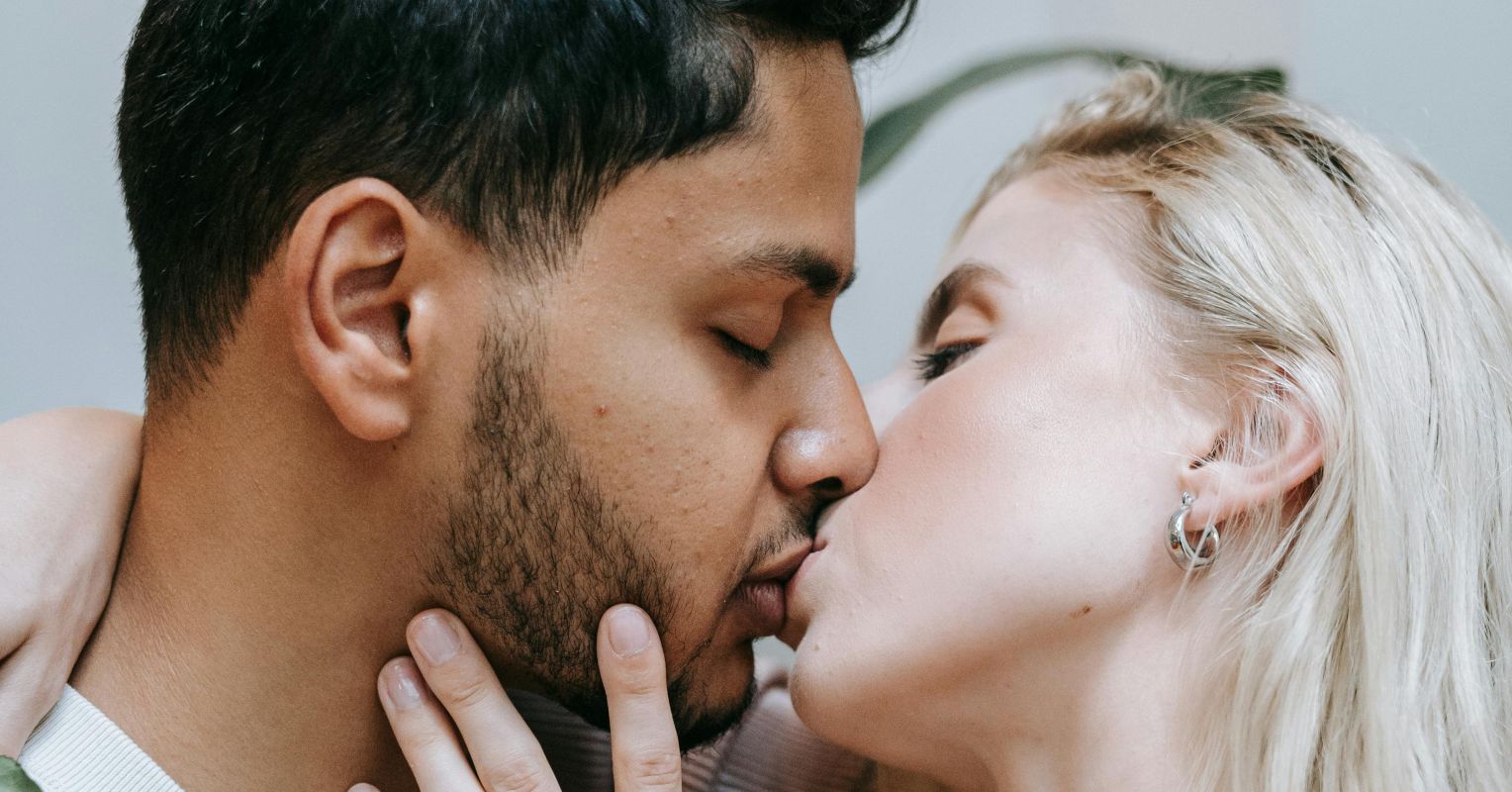
Romantic love rests on two pillars: sexual attraction and friendship. Sexual attraction is intense, eager, and impatient; it seeks immediate satisfaction. Although its intensity often declines, it can also mature and deepen. Friendship, by contrast, unfolds slowly. It depends on shared experiences, mutual understanding, and patience. Passion may ignite love, but patient friendship sustains it. Romantic love is not defined by a single electrifying moment, but by the gradual accumulation of trust, intimacy, and companionship. Patience therefore becomes a central virtue, enabling the everyday interactions through which love takes lasting shape.
Patience depends on time; passion resists it. In moments of intense desire, waiting feels intolerable. As Elvis Presley sang, “It’s now or never…tomorrow will be too late.” Passion narrows our temporal horizon to the present. Over time, however, the balance often shifts. Passion tends to dominate early love, while patience grows more essential as a relationship matures. Early on, lovers may react impulsively to perceived slights, sometimes even ending relationships over minor misunderstandings. With time, patience allows for tolerance, forgiveness, and deeper understanding.
Coping with the Romantic Tension
“Playing hard to get is less about playing games and more about managing your enthusiasm.” —Woman
“Sometimes you don’t have to say anything. Silence speaks it all.” — Disha Patani
The tension between passion and patience appears both in dating and in long‑term romantic relationships.
In dating, people often postpone immediate gratification to cultivate deeper emotional bonds. One common example is playing-hard-to-get, in which individuals temper the expression of their desire to gauge the other’s commitment. Research suggests that perceiving a prospective partner as slightly less available can increase desirability and foster greater emotional investment (Birnbaum et al., 2020). Another approach is the in‑due‑course strategy: both partners openly acknowledge their feelings while consciously allowing the relationship time to develop. In both cases, love is not simply given—it is gradually formed, tested, and earned.
Patience is most vital in conflict. In long‑term relationships, silence can sometimes prevent unnecessary harm caused by impulsive words. Dialogue is indispensable for nourishing love, but brief restraint may protect it from avoidable damage. Still, in deep love, prolonged silence is rarely peaceful; it becomes emotionally loud, often painful—the opposite of golden silence.
Relationships Essential Reads
The Value of Passionate Patience
“There is always some madness in love. But there is also always some reason in madness.” — Friedrich Nietzsche
Romantic patience is not passive observation from the sidelines. It is active, emotionally engaged participation in the beloved’s life. Romantic passion itself extends beyond sexuality; at its core lies the desire simply to be with the beloved—to hold and not let go.
The value of patience, however, depends on context and character. Patience is not always virtuous. At times, it reflects indifference, insecurity, emotional dependence, or fear of leaving an unhealthy relationship. Patience toward neglect, violence, or abuse is plainly destructive. As in many areas of life, romantic patience must be exercised with discernment and proportion. Partners are often passionately patient in different ways and to different degrees—a natural consequence of loving differently.
In flourishing love, there is no urgent need to rush, because one already feels emotionally at home. The emotional tone of patience is calm, enduring joy. Lovers frequently express a willingness to wait for one another until circumstances allow reunion. Temporary absence need not weaken love; at times, it even enriches it. Anticipation itself can become a source of pleasure rather than frustration.
Waiting for Your Romantic Partner
“Patience is not sitting and waiting; it is foreseeing.” — Rumi
Patience is a form of waiting, but not all waiting is patient. Waiting merely allows time to pass; patience involves enduring difficulty while remaining emotionally invested and hopeful. Consider a few examples. In one case, a woman ended a promising relationship because a man arrived a half-hour late to their second date—the wait itself felt intolerable. In another, a man described waiting for his lover as emotionally charged yet calm. His trust that she would eventually come transformed longing into a kind of passionate serenity. Similarly, couples planning a long‑anticipated journey often discover that anticipation—imagining, planning, and dreaming together—is already part of the joy.
In profound romantic love, passionate patience stretches across time—before, during, and after shared experiences. Because such love embraces a long‑term perspective, temporary absence need not provoke panic or despair. When you trust that paradise awaits, patience itself can become passionate.

