

970x125
Utilizing games in therapy is common for those clinicians who work with children, teens, or families, but sometimes parents may not fully understand the value of games in a therapy setting.
Therapeutic game use can be a highly effective way of engaging clients while simultaneously getting to issues that are part of the presenting problem. They are not just for amusement or a time filler; games and playful activities can be used for action and change.
Why This Approach Can Be a Game-Changer
Therapists who work with families and young people tune into considering intervention methods that go beyond the traditional talking approach expected for most adults for much of a therapy session. While therapy with children sometimes involves direct discussion, inquiry into relevant issues, or teaching of skills, there are times when a playful activity within the context of a session can be highly beneficial. Even very mature or highly verbal children can benefit from a different way to engage, practice social-emotional skills in a pleasurable way, or take a break from highly intense material by shifting gears. Games or playful activities also help signal to a child that the therapy process doesn’t have to be scary or unpleasant.
When games are used therapeutically, they can be an excellent way to lower inhibition, increase engagement, target skills, and add lighthearted positivity when facing sometimes difficult issues. For example, a very shy or socially anxious child may find it easier to answer printed icebreaker-type questions on a card than to engage in direct dialogue to start. For a youngster coping with a parental divorce or a family transition, a game that highlights and validates many of the typical feelings and questions children have can be highly valuable. For a pre-teen struggling with anger or impulse-control difficulties, finding ways to add a playful orientation to building strategies for better behavioral responsiveness can be a game-changer.
Types of Games
There are a variety of types of games or toys that might be used therapeutically, and therapists will choose depending on the developmental age, presenting issue, and personality style.
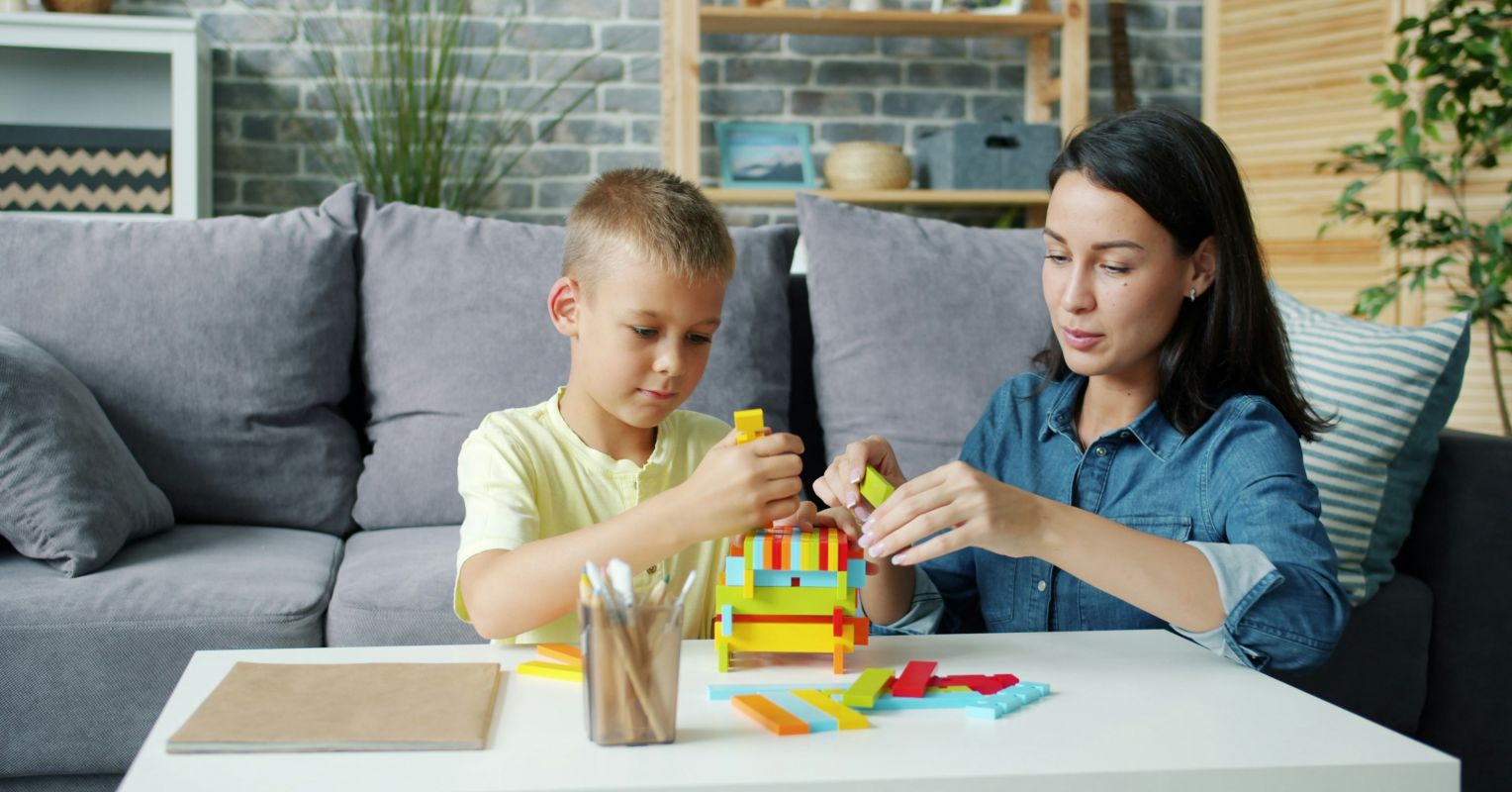
Some games or toys in a therapist’s office might be the type found in any toy store. Utilizing a card game, Nerf basketball, or Jenga blocks allows some playful engagement while working on frustration tolerance, impulse control, and lowering of defensiveness. The game is part of the work, but it is the verbal discussion and processing of various aspects that is likely to be different from what might happen at a family game night. There is a meta-level of processing going on beyond the rules of the game to which the therapist is alerting and utilizing metaphorically.
Sometimes therapists might therapeutically gamify more traditional games in order to add elements of a more psychological nature, such as shifting Go Fish to “Go Fish for a Feeling” (for someone needing practice in understanding emotions) or regular Hangman becomes Coping Hangman (using words from coping tool kit developed during a particular session). Game-like elements tend to increase client engagement, participation, and motivation – while still serving the purpose of increasing exploration, intervention and reinforcement.
Most therapists also have some more therapeutic-type games that need to be purchased at more specialized sites and focus on more targeted skills related to various presenting problems, from anxiety to impulse control to social skills. These prepackaged games allow more specialized focus on psychological issues in a way that is often more child-friendly. Clients seeing themselves in a problem-solving card question in a game or successfully practicing skills learned from a game as in-between session homework can be remarkably impactful.
Some therapists may even create a game or activity with kids that focuses on their particular needs or issues. This allows personalization, taps into creativity, and encourages empowerment for recovery. And the enjoyment is a bonus byproduct.
Play Therapy and Play in Therapy
Many child clinicians who incorporate play and games into session consider this a form of play therapy, but it is worth noting that there is a specialized field of Play Therapy and certification available as a Registered Play Therapist (RPT).
While broader use of structured activities and games can be utilized by any licensed therapist, RPTs receive specialized training related to processing emotions and healing from trauma. Such therapists often use puppets, sand trays, clay, dolls, or figurines and use play as the primary vehicle for assessment and treatment and look for themes that can indicate more underlying or unconscious information; much of the work is more child-led and unstructured.
Other child therapists might also use puppets or figurines to engage a child and family, but the focus of using play in therapy might be more structured or might be used more periodically rather than consistently as the method of engagement.
Game Application Beyond Therapy
Games with children or teens in session can be valuable from a therapeutic angle, but families can also benefit from finding time to engage in playful activities together at home. Amidst the busy schedules and necessary household routines, it can be hard to make time for fun and games; however, time playing together can strengthen bonds, allow relaxed moments, foster problem-solving, and make memories. A therapist-type approach is not required nor suggested at home; in fact, the value comes from parents showing up, being present, and engaging playfully with other young humans in the household who matter. This is not just child’s play; this benefits everyone.

