

970x125
Infidelity is as old as relationships itself. Early definitions of infidelity centered around sexual infidelity, a physical transgression outside of the primary relationship. Over time, experts started to expand its definition to include emotional infidelity, which occurs when someone forms a deep emotional bond and possibly falls in love with someone outside of that primary relationship.
Studies show some gender differences in how people react to cheating: Men appear to be more hurt by physical transgressions, while women feel more betrayed when they believe that that their male partners have cheated emotionally. Interestingly, this gender difference was only seen in heterosexual couples; in one study, gay men, bisexual men and women, and lesbian women did not differ significantly when it came to which type of betrayal impacted them more.
People cheat for a variety of reasons. Sometimes an indiscretion happens for pure physical fulfillment, but more often than not, people cheat because they need to be seen, desired, and validated. Esther Perel once said, “The victim of an affair is not always the victim of the marriage.” Infidelity can be the cause or a symptom of a failing relationship.
From the perspective of a sexologist and sexual wellness coach, infidelity is one of those truly hard to pin down concepts. This is partly because these are subjective experiences: What feels like cheating to one person may be perfectly acceptable to another. It’s also partly because not only do people not accurately report cheating behavior, there are often inconsistencies between what they say and what they do.
A 2015 study revealed that although a majority of people in the US consider infidelity to be immoral, up to 45% of married people and 69% of those who are dating report having engaged in extra-dyadic sexual relationships. Another study showed that between 65% and 75% of college students have reported engaging in some sort of cheating behavior while in a serious dating relationship.
Digital Infidelity
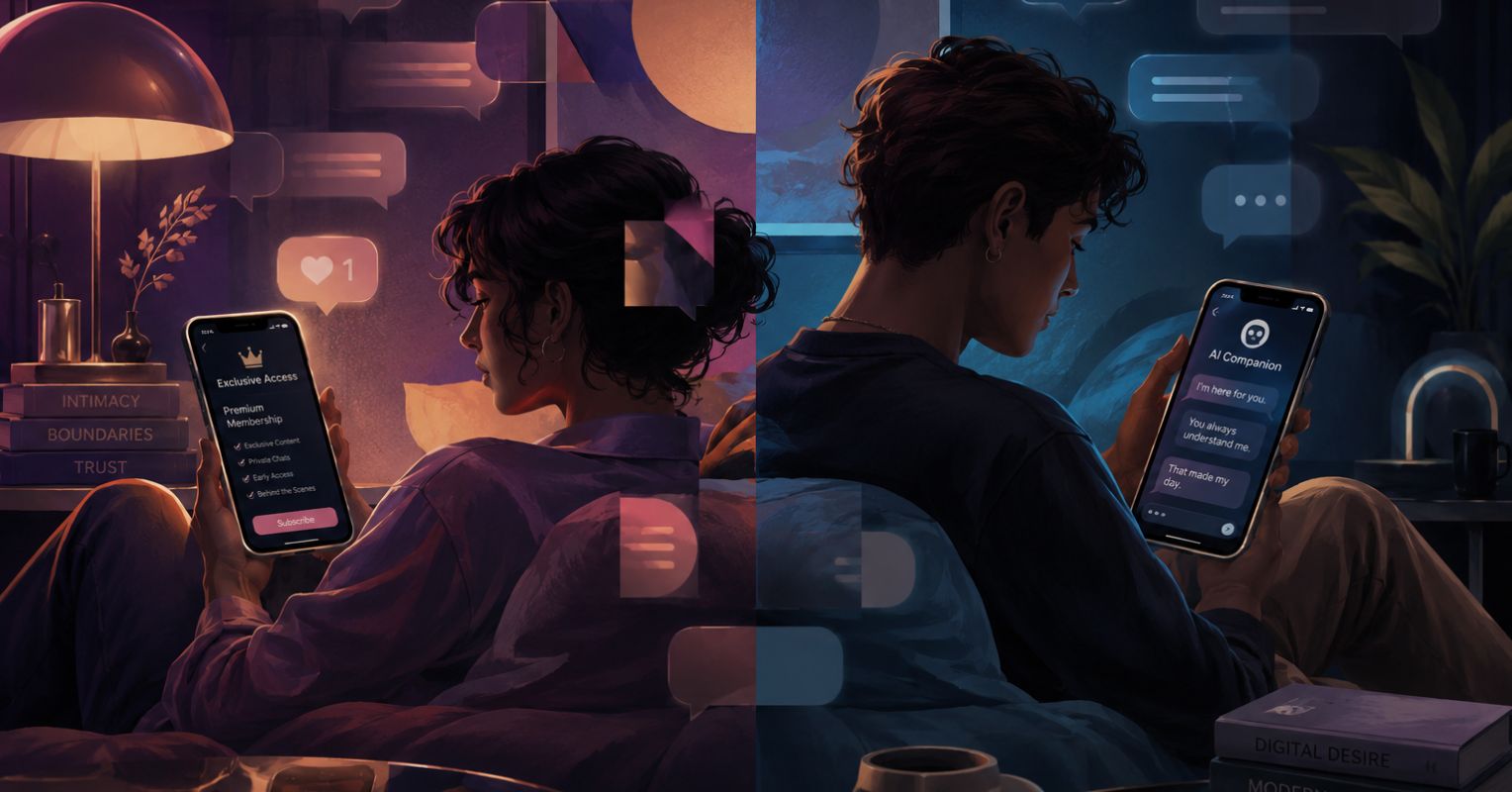
The internet, social media, and now AI have added a new level of complexity to what was already a complicated area of human relationships. Digital infidelity is defined as “any act of perceived infidelity in which digital media are used to initiate and/or maintain an extradyadic affair.”
Suddenly, the opportunities for betrayal have increased manifold.
Relatedly, the term micro-cheating emerged around 2018 to describe “a series of seemingly small actions that indicate a person is emotionally or physically focused on someone outside their relationship.”
In the human-to-human realm, that could be lingering in a conversation too long, or your partner catching you eyeballing someone across the room. What does it look like online? A recent informal poll conducted by my research assistant revealed that while more than 60% of participants surveyed thought “micro-cheating” was an effective term to describe betrayal that was not full-blown infidelity, there was still much variability in what constituted micro-cheating in a relationship. For instance, of our 59 respondents (aged 18-29), 66.5% believed that following or engaging with an explicit content creator such as on OnlyFans was micro-cheating while there was very little agreement on whether watching porn was. Engaging with an ex’s content (liking, commenting) was much more likely to be considered micro-cheating than simply following them.
The study also highlighted new expectations partners have around their digital presence: Approximately 92% of respondents said they would expect to be on their partner’s private stories or close friend groups while 61% said they would feel upset if their partner never posted them.
The Good News and Bad News on Digital Infidelity
While we were already confused and conflicted about infidelity, the digital realm offers a whole new arena for misbehavior and misunderstanding.
We have to be even more aware and forthcoming about our expectations and boundaries in relationships. Proactive and honest communication can save a heart from harm.
Infidelity Essential Reads
We also need to gear up and fortify our relationships because as AI blurs the lines between person and object — with more humanlike technologies like companions, VR partners, and eventually robots — what constitutes betrayal will continue to morph and evolve and yet it will still be deeply personal and subjective.
Technology can bring you closer in a relationship or create more distance.
The power is in your hands, literally.

