

970x125
Today, I am considering what it means to appreciate something—a people, a profession, a service, and a sacrifice. What does science, specifically positive psychology, say about the meaning and value of appreciation, and the difference between giving and receiving it? Is appreciation the same as gratitude?
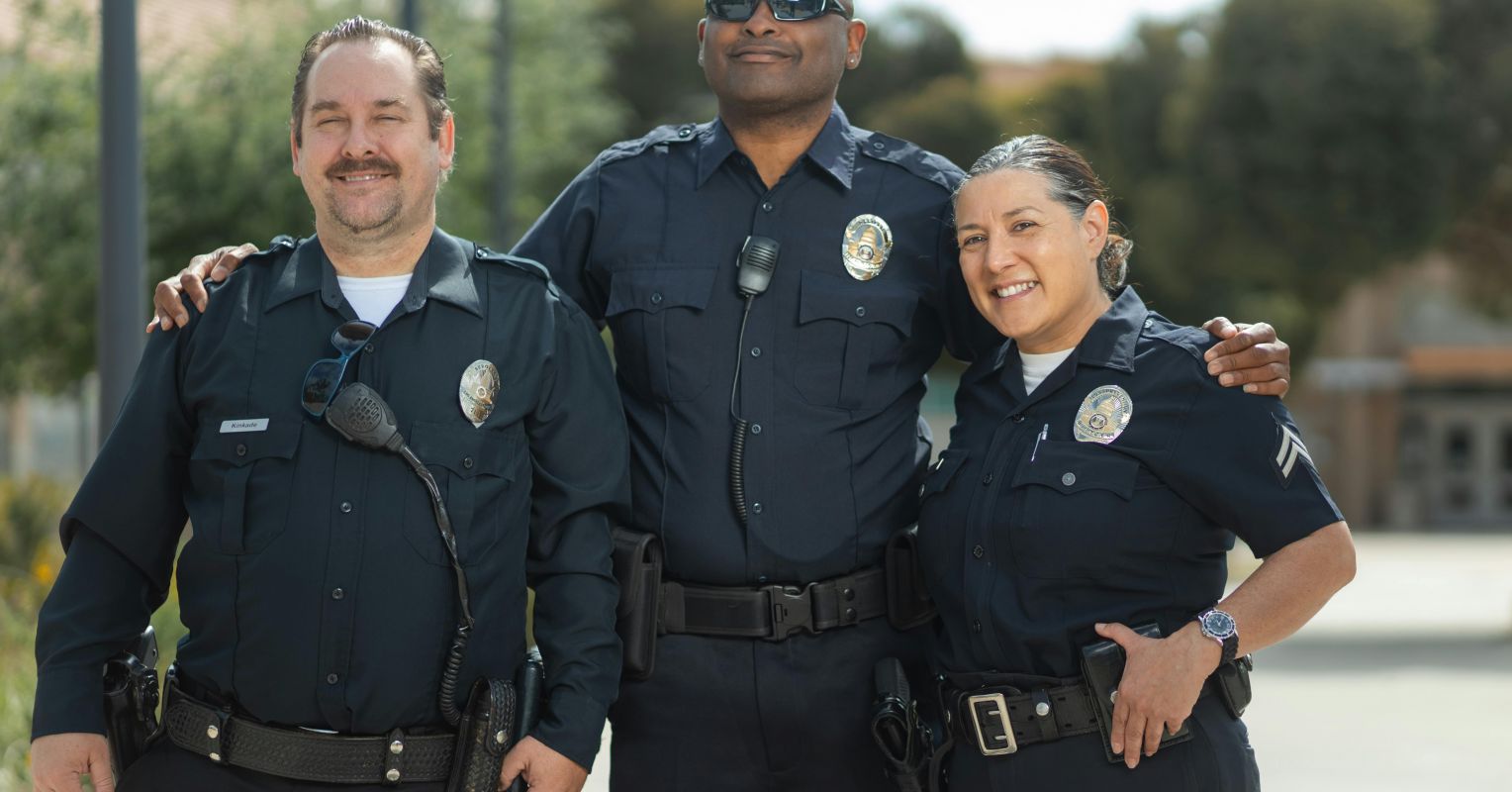
I come to these ideas as today, January 9, is designated as National Law Enforcement Appreciation Day. If you have been following along with my articles, you will know that I am a retired police officer now working in the space of positive psychology for law enforcement. Throughout my many years in uniform, I can honestly say the expression of appreciation by others was regularly awkward to receive, yet contributed significantly to my well-being. I later learned that receiving appreciation with grace not only eased that comfort level but was also a gift to the other person. Now, in this stage of my life, I am very intentional about expressing my appreciation for those still wearing the badge, and I approach the moment with authenticity and an understanding of how my expression may be received.
So let’s look at the science of appreciation and what positive psychology says about it.
Appreciation vs. Gratitude: More Than Semantics
While gratitude and appreciation are often used interchangeably, positive psychology research reveals meaningful distinctions. Gratitude typically involves recognizing a benefit we’ve personally received—it’s inherently self-referential. When I feel grateful for my Chief’s platitudes or a citizen’s kindness during a difficult call, I’m acknowledging something that directly enhanced my experience.
Appreciation, however, extends beyond personal benefit. Research by psychologist Sara Algoe suggests that appreciation involves recognizing the inherent value of something or someone, independent of what we gain from it. We can appreciate the sacrifice of officers working holidays even if we’re not the ones being directly protected or served that day. We can appreciate the skill of a patrol officer, K-9 team, SWAT operator, or detective we’ve never met. Appreciation is fundamentally other-focused—it acknowledges worth, not just utility.
This distinction matters for law enforcement officers’ well-being. Officers often struggle to accept gratitude because it feels transactional or triggers discomfort about whether they truly “deserve” recognition for simply doing their job. But appreciation operates differently—it recognizes intrinsic value rather than demanding a ledger of debts and repayment.
The Neuroscience of Receiving Appreciation
My own awkwardness with receiving appreciation wasn’t unique or a weakness—it reflects deep neurobiological patterns. Research using fMRI imaging shows that receiving praise and appreciation activates the ventral striatum and ventromedial prefrontal cortex, regions associated with reward processing and self-referential thought. For many officers, years of cultural conditioning toward stoicism, self-reliance, and deflection create cognitive dissonance when these brain regions light up. Think neuroplasticity of the worst kind that contributes to ill-being vs. well-being.
Studies by psychologist Kristin Neff on self-compassion reveal why this matters. Officers who struggle to receive appreciation often lack what she calls “common humanity”—the recognition that receiving acknowledgment is a normal, shared human experience rather than a sign of neediness or weakness. The discomfort isn’t a character flaw; it’s a trained response from a career of negative reinforcement that, fortunately, can be unlearned through the same neuroplasticity process.
My realization that graciously receiving appreciation was a gift to the giver reflects what researchers call “relational savoring”—the mutual benefit created when we allow others to express positive emotions toward us. When we deflect or minimize appreciation, we actually deny the giver an opportunity for their own well-being boost. Research by Sonja Lyubomirsky demonstrates that expressing appreciation increases positive affect and life satisfaction in the person doing the expressing. By receiving with grace, we complete a reciprocal loop of well-being.
The Giver’s Side: Authentic vs. Performative Appreciation
My intentionality about expressing appreciation now reflects what the research says about effective appreciation. Studies distinguish between authentic appreciation—rooted in genuine recognition of specific qualities or actions—and performative appreciation, which often feels hollow to both giver and receiver.
Positive Psychology Essential Reads
Research by organizational psychologist Adam Grant shows that specific, behavioral appreciation creates stronger positive effects than generic praise. For Law Enforcement Appreciation Day to move beyond a performative gesture and another Hallmark Holiday, appreciation must be informed. It requires understanding what officers actually do, the complexity of their decisions, and the accumulated weight of exposure to human suffering.
Authentic appreciation also acknowledges difficulty without diminishing it. Research on “tragic optimism” by Viktor Frankl and later positive psychology scholars shows that genuine recognition includes acknowledging challenges while still finding meaning and value. Recognition that names the sacrifice—the nights, weekends, and holidays away from family, the financial risks, the threats to well-being and life itself—communicates understanding rather than superficiality.
The Complexity of What We Appreciate
Policing comes in many forms, in diverse jurisdictions, with many different agency objectives at the local, state, and federal levels, but all under the rule of law. This complexity matters when we consider appreciation through a psychological lens. Research on moral psychology by Jonathan Haidt demonstrates that people struggle to hold nuanced, multifaceted views of institutions and individuals. We gravitate toward simple narratives—all good or all bad.
Yet authentic appreciation requires exactly this nuance. We can appreciate the courage and sacrifice of individual officers while acknowledging that policing as an institution faces legitimate challenges and critiques. We can recognize the honor, compassion, and integrity demonstrated daily by officers while understanding that the work is controversial and imperfect.
This is where appreciation differs most sharply from blind loyalty or hero worship. True appreciation sees clearly—it acknowledges both the nobility of the choice to serve and the reality of the difficulties inherent in that service. It recognizes that those willing to take on these risks despite the complexity are demonstrating something I call “Courageous Optimism”—moving toward challenge and meaning with a moral will and moral skill, topped off with courage, rather than shying away from discomfort.
A Personal Expression of Appreciation
So today, on this January 9 specifically, and more generally every other day of the year, I want to personally express my appreciation for law enforcement. I want to thank those who go out every shift, leaving their families on nights, weekends, and holidays, to serve others with honor, compassion, and integrity. Policing is quite complicated and can be controversial, but in the end, it’s a matter of risking it all, including your financial security, your well-being, and even your life in service to others, some who may appreciate you and some who may not. And regardless of your perspective, they will be there every time 911 is called.
For those with the courageous optimism who are willing to take those risks, I salute you today and every day. Continue to lead by example, stay resilient, and earn your badge every day.
With gratitude and respect on Law Enforcement Appreciation Day.

