
970x125
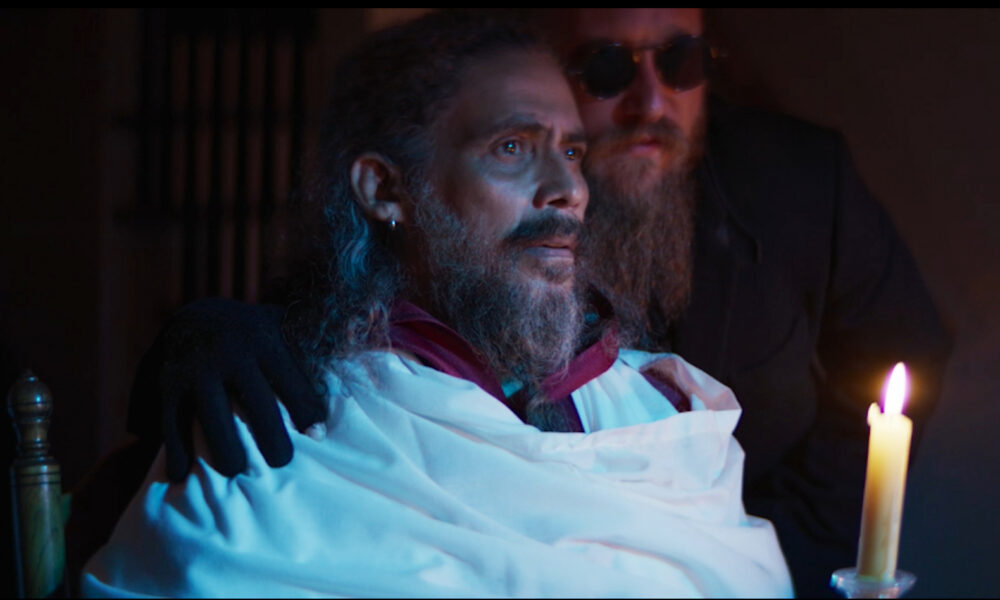
Here is what drew me to The Vord: the premise is the kind of thing that only works if someone actually takes it seriously. An ancient Nordic entity bound to a corrupt priest, sent to claim a woman’s soul as an offering to something older and worse, while that same entity is also her spiritual guardian. I wanted this film to work.
It does not fully work. But it is trying to do something interesting, and that makes it worth watching.
Writer-director M.T. Maliha’s feature debut arrives on UK digital May 4 via Miracle Media.
What Maliha Is Going For
The setup puts Jillian between two competing forces pulling at her from opposite directions: the Catholic Church, which has colonized her spiritual life and now turns out to harbor a priest who has sold himself to something ancient, and her pagan roots, which the film treats as something alive rather than something historical.
The entity called The Vord sits above both of these, watching, bound to the priest by a deal that requires it to deliver Jillian’s soul to the Old One in exchange for its own redemption. The theological architecture here is actually interesting. Can something that exists outside human moral categories be held accountable to them? Can an entity that has survived centuries of watching humanity be moved by one woman’s particular situation?
Maliha has said the horror she was after was psychological, the confusion of faith and will rather than gore or jump scares. Midsommar works because it treats pagan tradition as something that believes in itself. The Witch works because its supernatural architecture is airtight. The Vord is reaching for that register but never sticks the landing.
Where the Film Breathes
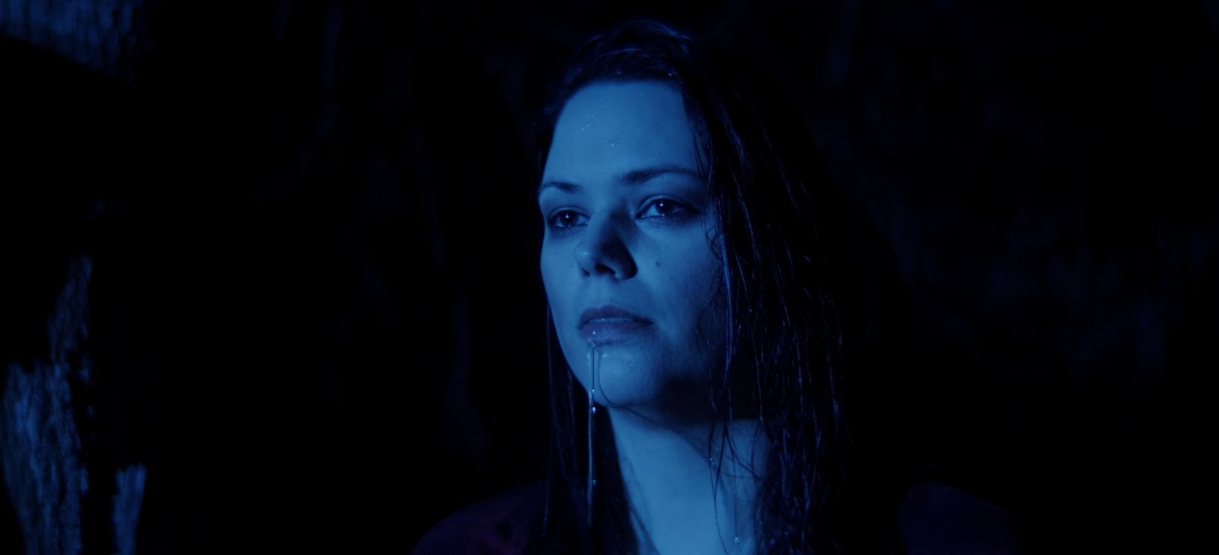
There are moments here that find what they are looking for. The film understands that dread does not need noise to work, and in its quieter stretches, something is present in the frame that earns the atmosphere.
The mythological framework, pagan tradition framed not as superstition but as a parallel system of real spiritual authority that the Church has spent centuries trying to bury, gives the film a tension that does not depend on the effects budget to land. That part works without costing anything extra. Maliha clearly did her research and cares about this material.
The Part That Is Hard to Get Past
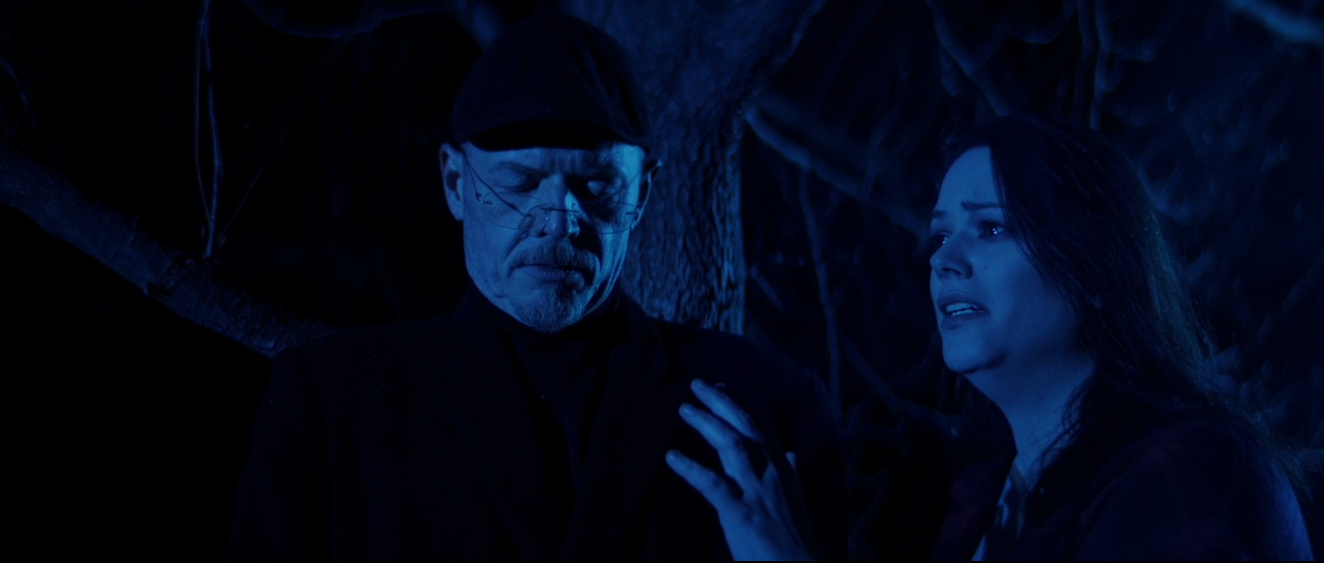
The cast is committed. That is what I want to say first, because it is true. The cast is fully committed to this material, and commitment matters. The problem is that the script does not always give them the footing they need to stand on, and when it does not, the gaps are visible.
The scenes that depend most heavily on dialogue to build tension are the ones that struggle the most. The Vord is a film where the horror is supposed to live in what people say to each other, in revelation and betrayal and spiritual crisis, and those scenes require a level of precision in both writing and performance that is not consistent here. Some of the more ambitious emotional confrontations in the second half land somewhere between affecting and slightly stiff. There is nothing cruel to say about that. It is a hard thing to execute, and first films do not always execute the hardest things.
The storytelling also has structural issues that make the mythology harder to follow than it needs to be. The film would benefit from a more disciplined approach to when it reveals information. The narrative shifts do not always land with the weight they are reaching for, and the audience ends up doing more work than they should to stay oriented inside the mythology.
The Budget Is a Real Factor
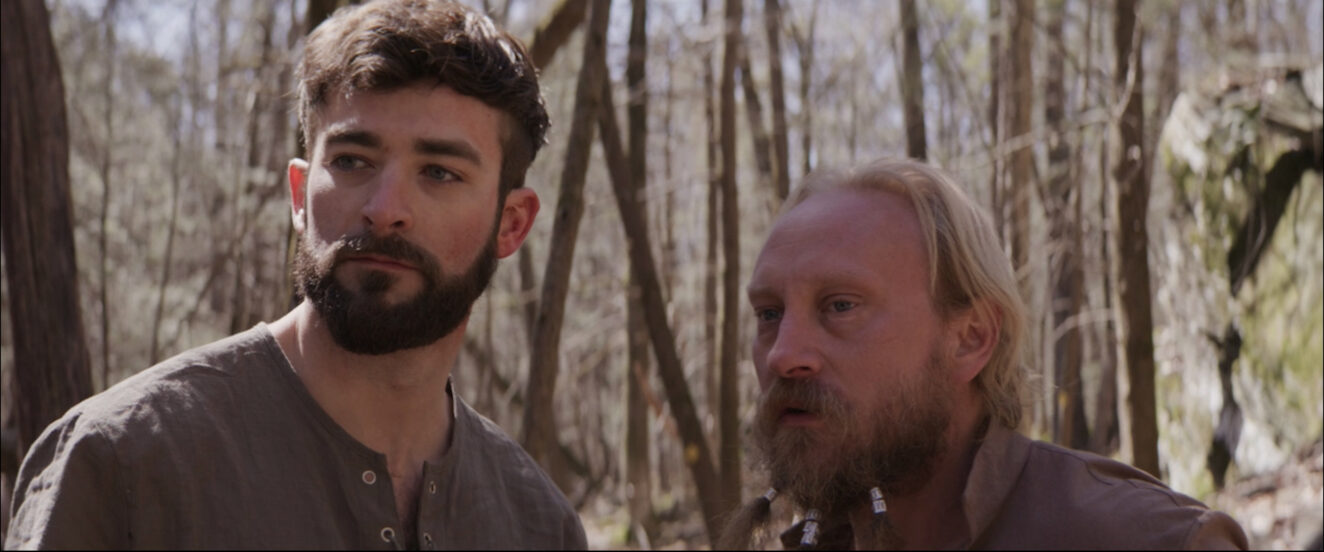
Psychological horror is one of the most budget-sensitive genres there is. It needs control of every element, the sound, the light, the silence, the space between what is shown and what is not. These things are expensive, and the gap between what The Vord wants to do atmospherically and what the production can fully deliver is visible throughout. This is not a criticism so much as a description. Maliha is attempting a film whose entire emotional register depends on precise atmospheric control, and she does not always have the resources that precision requires.
Working within budget constraints while making folk horror is genuinely one of the harder problems in low-budget filmmaking. Caveat pulled it off on a shoestring because it found the specific visual grammar its story needed and stayed inside it. The Vord has not fully found that grammar yet.
Worth Seeing Anyway
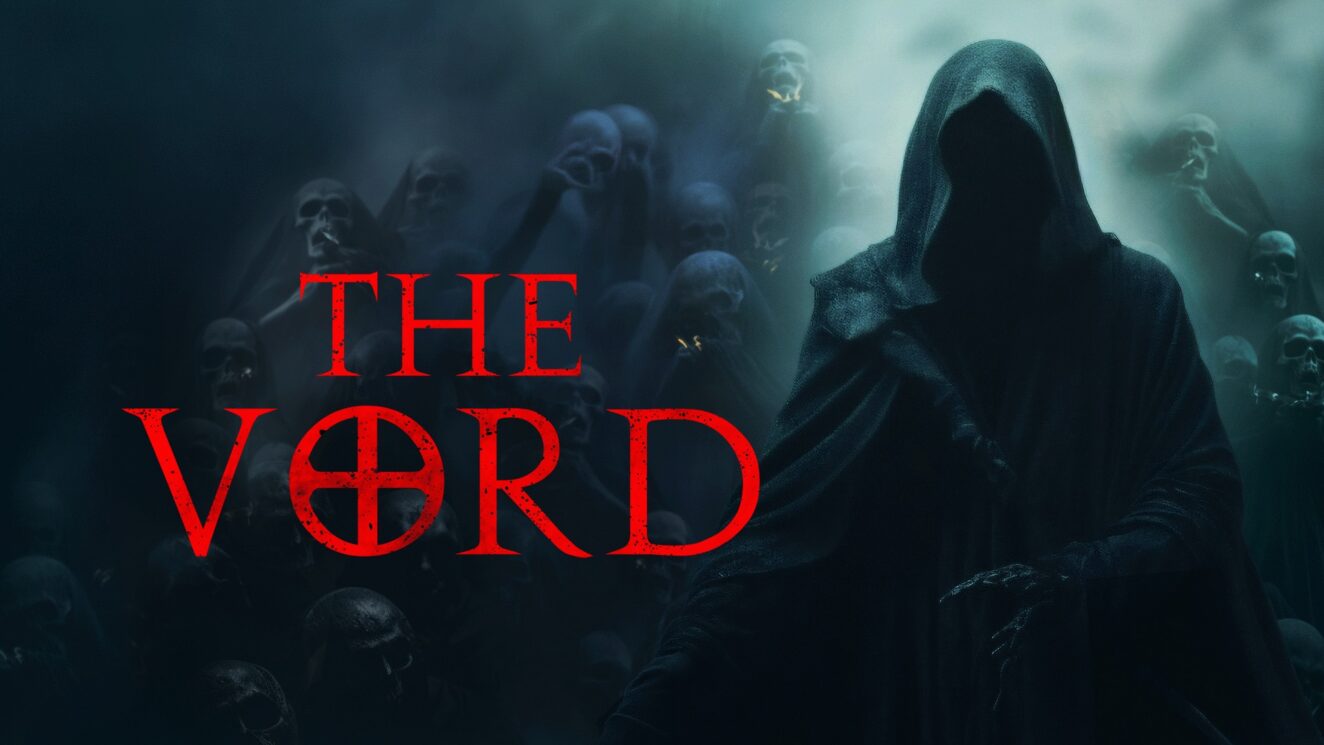
The Vord is not the film it wants to be. But the film it wants to be is more interesting than most of what is on offer in this corner of horror right now, and Maliha is worth watching as she figures out how to make it. The mythology she is drawing from, the premise she has built around it, the question of whether the thing guarding you and the thing hunting you can be the same entity, these are good materials. Good materials in imperfect hands are still good materials.
This is a debut. Give it the weight that deserves.
The Vord is streaming on UK digital from May 4 via Miracle Media.

