

970x125
Most people believe that self-awareness is important. Self-awareness partly involves recognizing that there are limits to our knowledge and understanding of things, making us open to considering alternatives to what we believe. Of course, it’s troublesome to admit that we are not wholly knowledgeable. Sometimes, the more self-aware we think we are, the less self-aware we actually are.
Philosophy has always emphasized cultivating intellectual humility so that we can revise our views when we have reason to think they are mistaken. Plato’s well-known allegory of the cave—one of the first things many students learn in their introductory philosophy classes—illustrates this well.
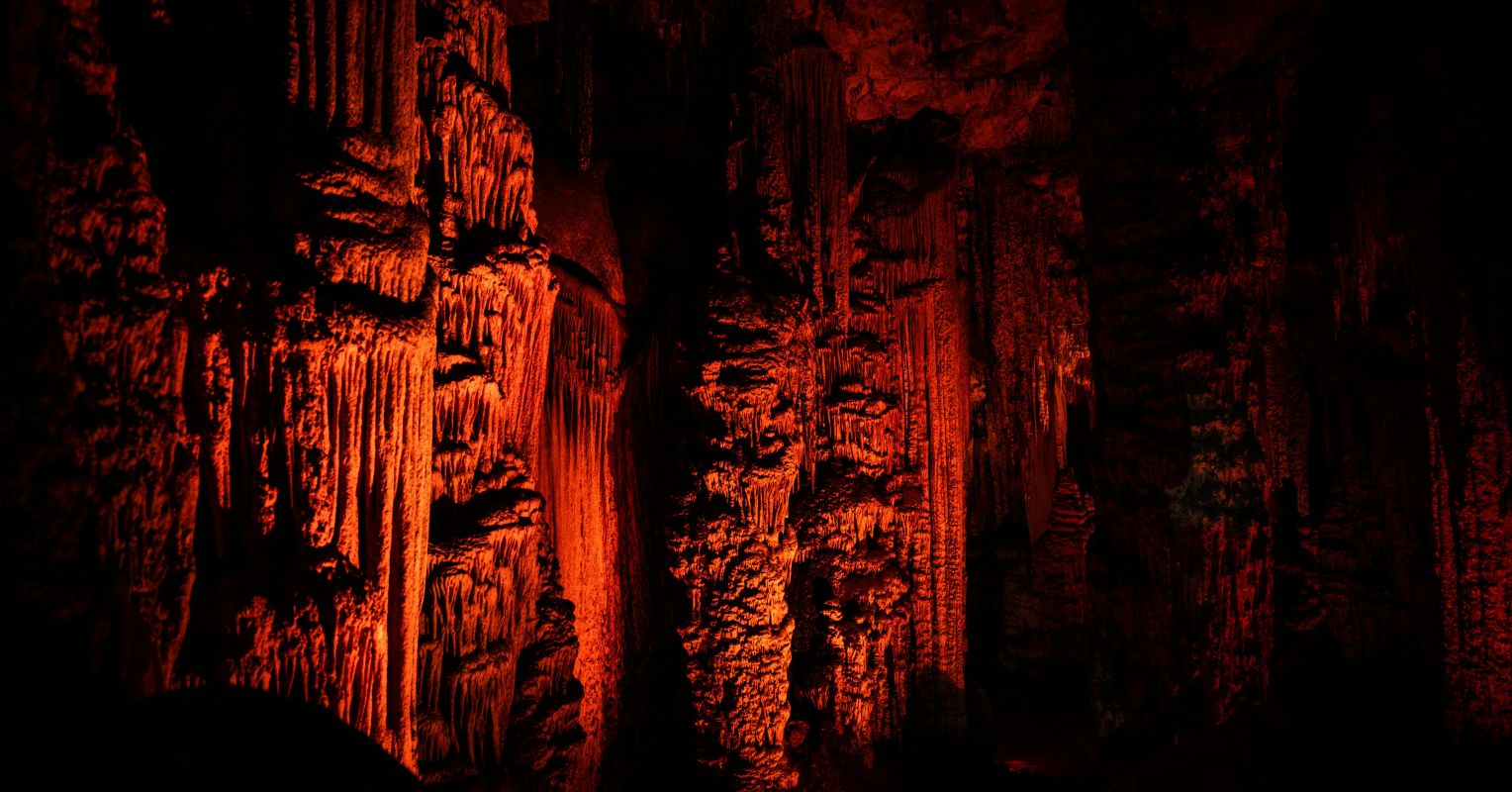
The allegory is found in Book 7 of the Republic. The story is one in which prisoners have spent their entire lives chained in place deep in a cave, unable to move their heads to look behind them. They perceive shadows on the cave wall, which are cast by moving objects behind them. But because they cannot turn their heads, they are unaware of what is really causing the projections they see. Beyond this, they are unaware that there is even a world outside of the cave.
The shadows symbolize misconceptions and false beliefs that are shaped by limited knowledge and perception.
In the allegory, one prisoner escapes the cave and discovers the truth about the shadows projected on the wall, and the truth that the cave itself is only a small part of reality. When he returns to the cave and tries to share his knowledge with the prisoners, they refuse to believe that there is anything beyond what they know.
Socrates, the classical Greek philosopher portrayed in the Republic and Plato’s other dialogues, says of the prisoners: “such men would hold that the truth is nothing other than the shadows of artificial things.”
The allegory of the cave illustrates the lamentable state in which the prisoners live. They lack the kind of self-awareness that comes with recognizing that there can be limits to their knowledge. They are not open to the alternative view of reality presented to them by the escaped prisoner.
A recent psychological study (Prike et al., 2024) looked at intellectual humility in our own time. In psychology, intellectual humility is understood to mean being open to revising our beliefs and recognizing the limits of our knowledge. Psychologists conducting research on personality assess this feature using self-report questionnaires.
The study involved asking participants to respond to true and false news headlines that were presented to them, and then administering questionnaires to assess the participants’ levels of intellectual humility. An example of one of the false headlines used in the study was “Michigan House passes human microchipping legislation.” Participants were instructed to rate how much they believed such headlines to be true or false.
The study authors reported that they found that those with higher levels of intellectual humility were better able to distinguish true news headlines from false ones. The authors believe this finding can help us better understand the increasingly common problem of “misinformation.”
One of the defining features of our age—which I have referred to as an “algomodern” age—is great uncertainty over what is real and what is artificial. With the invention of generative AI, it seems that our lives increasingly involve checking things to see if they are fake. The trouble is that it often isn’t easy to know for sure.
Although it is natural to wish we knew more than we actually know, it is especially important in today’s world to take to heart the lessons of Plato’s allegory of the cave. At certain times, and in some areas of our lives, we may be like the prisoners in the cave, convinced that the shadows are real. Being aware of the possibility of being in error is key to navigating an age in which one of the defining questions is: Is this real or fake?

