

970x125
Halfway through a sailor’s memoir, published 114 years ago, I’m realizing that it’s my all-time favorite book.
“If I could sing, I would sing the banana,” he wrote. “I feel intemperate about it. … The plantain jets upwards … and the fountain returns in broad rippled pennants. … A world could not be old on which such a plant grows.”
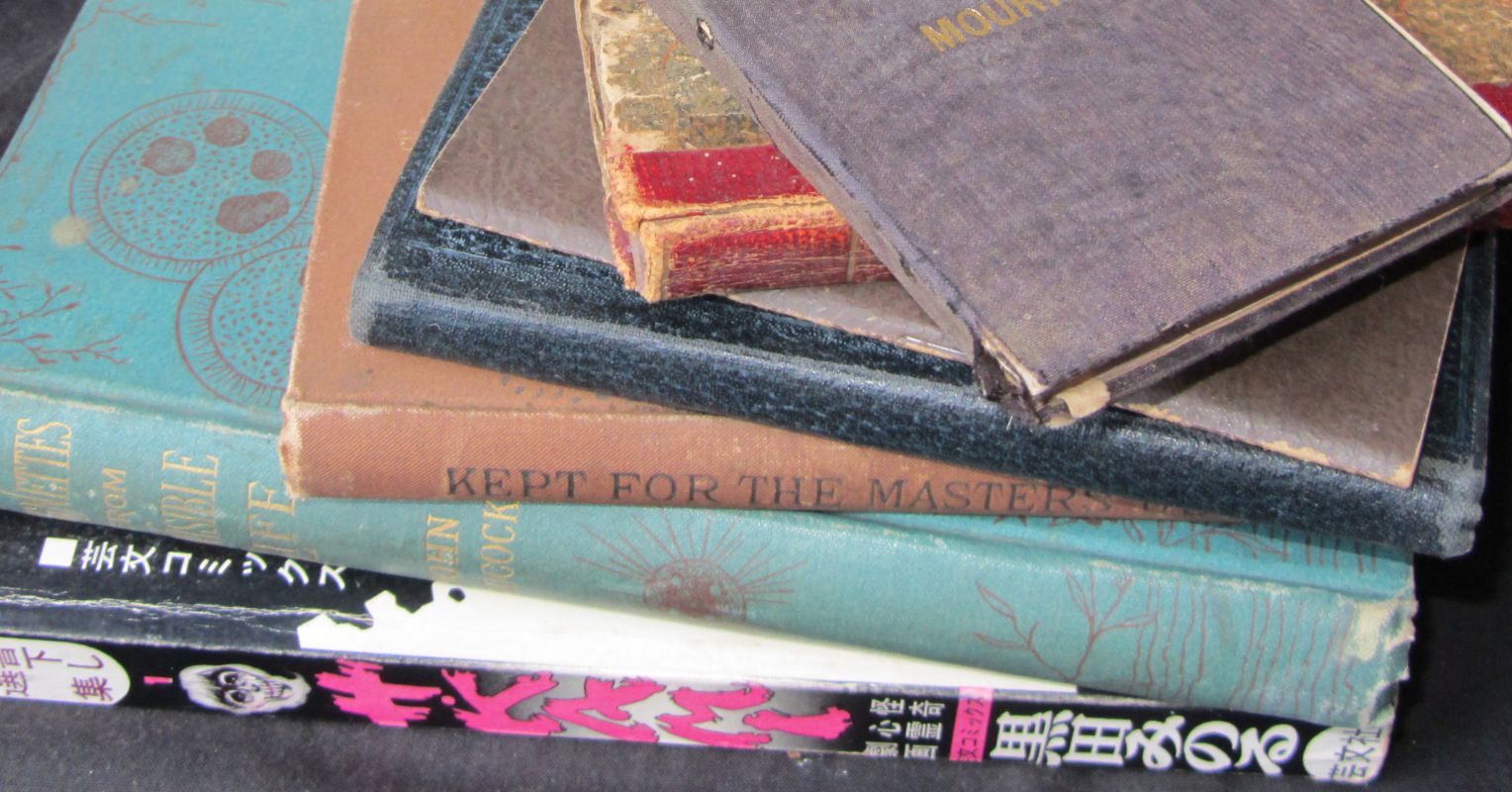
Reading old books — especially obscure ones, of which perhaps nobody you know has ever heard — is not a waste of time. Turning pages that might not have been previously turned for years and might never be turned again is a privilege, a pilgrimage, a rescue mission and a resurrection.
It’s a quest.
Studies suggest that quests — at least, avid searches for meaning — boost well-being by whetting our curiosity and quelling our anxiety while giving us things to do. They fuel our sense of purpose — and of self — by turning us into explorers, translators and saviors.
As quests go, reading obscure old books might sound flaccid compared to climbing Everest, curing diseases or raising kids. But in its tiny way, reading such books is a pledge to humanity and continuity.
This was always the lure of literature and even some nonfiction: Readers “spy” on strangers: servants, scholars, wizards, queens and killers whom we’ll never meet in real life but in whom we sometimes see ourselves and those we’ve known. Unfiltered and firsthand, their joys and sorrows teach us — like case histories — how our species has lived, loved, talked and thought.
This can be crucial at a time when our species is growing lonelier because it is forgetting how to interact.
In this sense, every old book is a self-help book.
It is also a ceremony, party, treasure chest and trek.
Those of us who feel useless, powerless, invisible or otherwise externalized in our own time and place can sieve from old books a revised identity: We become searchers, analysts, torch-bearers and trench warriors.
By reading old books, we rekindle long-suppressed sparks of passion and imagination, days and years their creators spent crafting universes, as if they had never died. Reading old books, we reassure those authors and past readers, with whom we now form a tribe: Your work was not for nothing and you’re not alone. You’re not yet gone.
This is an act of empathy.
And studies connect empathy with personal and societal health, but warn that empathy is in decline.
It is also an act of gratitude, which studies suggest reduces depression.
Reading obscure old books — any books, but I mainly vouch for those — is more than therapeutic, more than a mere hobby these days. It is an act of rebellion.
Reading and writing are vanishing. In the U.S., one in four young adults is functionally illiterate. This percentage keeps rising, statisticians say. Books, magazines, articles, essays, poems and anything longer than texts are increasingly rarer parts of daily life. In a dissolving or at best contorted literary scene, AI is now replacing authors, critics, editors and journalists so deftly as to fool experts and win awards.
The word “book,” which our forebears equated with wisdom, progress and the secrets of this world and others, now echoes archaically, on par with “parasol” and “pantaloons.” As “book” fades from the common parlance, reading obscure, old ones is a wild, bold, brave revolt.
And studies reveal that rebellion stokes positive change and creativity.
Reading such lines as “clear and high, like a bugle call, a strain of wild music came from the enchanted forest,” we become scouts, navigators, promise-keepers and rejuvenators.
We become what would now be called followers of influencers, but influencers who wrote by firelight, wearing waistcoats or kimonos, with quills or in stone.
We who feel disenfranchised can wander those yellowed pages basking in a sense of welcome, as the long-awaited guests, foreign tourists and time-traveling aliens we are.

