


970x125
Get ready for a LOT of internet meme horror movies in the year ahead …
… whether or not audiences ACTUALLY want internet meme horror
It’s pretty obvious why Hollywood is suddenly infatuated with internet meme horror — all you have to do is look at how much money Obsession and Backrooms made at the box office.
Since the silent era Hollywood has been the epitome of a “follow the leader” industry; if one thing gets hot and makes a lot of money, you can bet your top and bottom dollar that a whole bunch of other studios are going to try their hand at the exact same thing. The major studios have never exactly been known for their understanding of audiences. Even today it’s kind of amazing just how out of touch the multi-billion conglomerates are with their own viewers. Studio heads recognize that something is popular with audiences, but they never seem to drill down and examine why a certain movie resonates with people. If a superhero movie is popular, we’ll get eight more of them. If an alien doomsday movie is popular, we’ll get half a dozen egregiously similar films the following summer. And nowhere is this copycat mentality more obvious than when it comes to the horror genre.
The trend line is almost always the same. An independent movie comes along and wildly exceeds everybody’s expectations, then the studios say “hey, we can do that, too!” After Halloween, we got an endless torrent of slasher ripoffs for the better part of a decade. After A Nightmare on Elm Street, we got a ton of supernatural horror movies featuring charismatic psycho killers. After Scream, we got five years worth of formulaic whodunit slashers starring various cast members of various WB and Fox melodramas. You can pretty much set your watch to it, really.

The dual success of Obsession and Backrooms, obviously, has caught the eye of a LOT of big time studio executives. They see a couple of YouTubers make $200 and $300 million in domestic ticket sales and outgrossing Star Wars movies in the process and they start stomping their feet and tossing Starbucks cups against the wall screaming “literally ANYBODY can do this, so we aren’t we taking advantage RIGHT NOW!”
Now, it’s not that these movies are being made by YouTubers that appeals to them. It’s the idea that there’s a younger carry-over audience already built into the YouTube following. The director doesn’t mean anything to them at all, just the fact that there’s this pre-existing internet property that a.) kids are already familiar with and b.) more than likely willing to buy a movie ticket to see on the big screen. They don’t even want the cult of personality associated with a big name YouTuber like Mr. Beast or PewDiePie (as problematic as they already are.) It’s like Hollywood is just now discovering a small universe of easily marketable, pre-made stories with vague copyright statuses to exploit. And you already know precisely what that means.
“Internet meme horror” is a tricky, amorphous term. It doesn’t necessarily mean one specific type of content, but when you string all three words together in succession people still know more or less what you’re talking about. They’re kinda like social media age urban legends, the “guy with a hook for a hand killing everybody at makeout point” schtick for people who grew up playing Roblox and watching ISIS beheading videos. Sometimes we know where the ideas and tales come from, other terms their authorship is virtually unknowable. And since people on message boards usually don’t have the foresight to copyright all of their Creepypasta submissions, a lot of material is totally up for grabs in terms of trademarks and ownership rights.
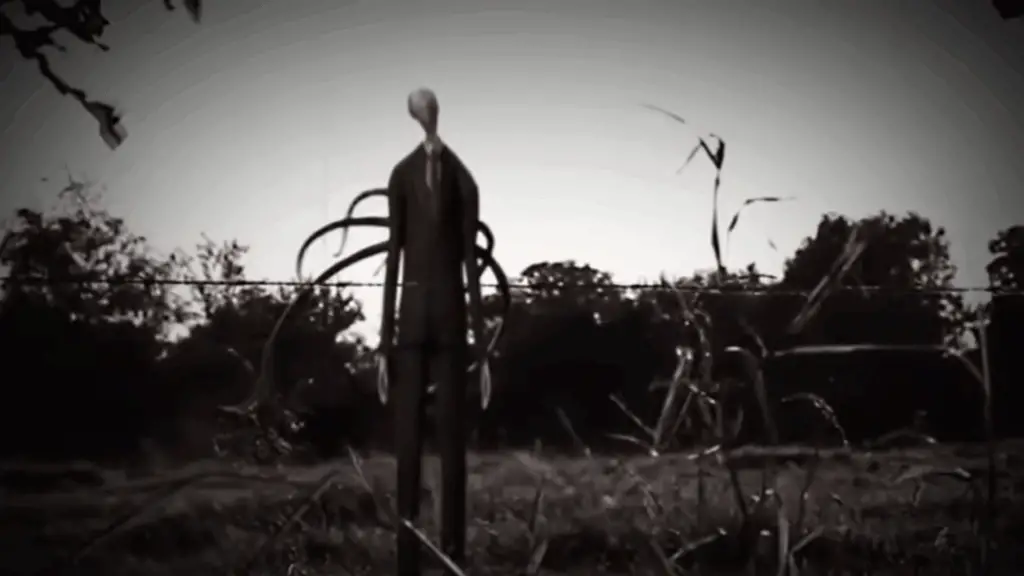
Obsession is classical Reddit horror, to the point its entire plot could probably by a a random selection from the “two sentence horror” subreddit. Backrooms is LITERALLY culled from old 4Chan memes and the “liminal spaces” subculture, which is something so formless that pretty much anybody with a stack of old Polaroids from 2012 or so could lay claim to inventing it. These things have been around on the Web forever, and frankly, the only truly surprising thing is that big name filmmakers didn’t get around to co-opting them sooner.
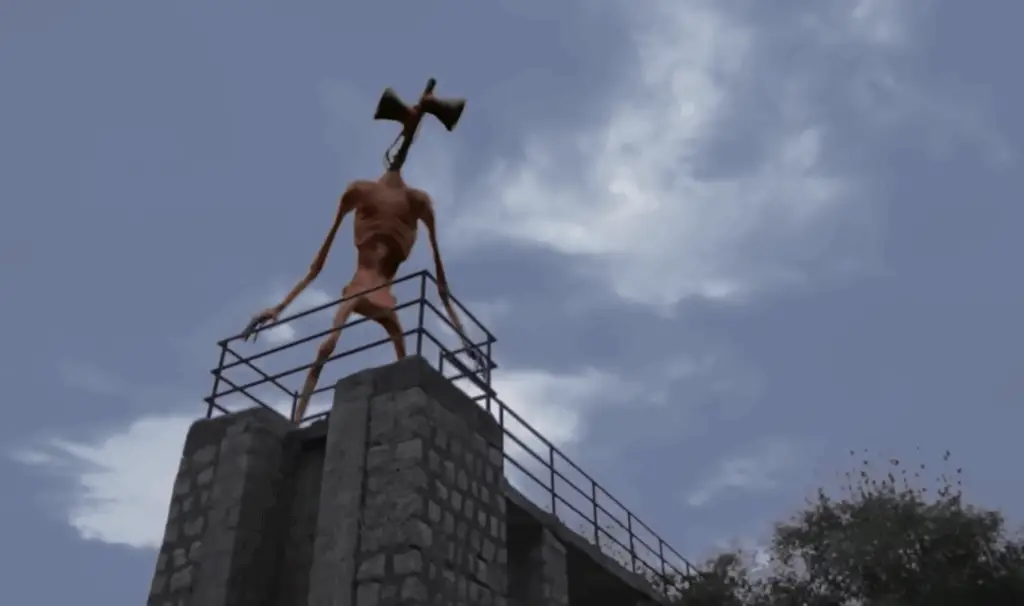
The flood gates are already wide open, folks. The next V/H/S/ entry is co-branded with the SCP Foundation, a Wiki that features a dizzying array of text-centric horror stories that nobody over the age of 30 can possibly understand. Steven Spielberg and Amblin Entertainment have already scooped up the feature film rights for the YouTube horror series The Mandela Catalogue AND a 2013 Reddit yarn called The Spire in the Woods (which makes you wonder if Stanley Kubrick would be adapting Yelp reviews into three-hour-long movies if he was still alive today.) Zach Creggar looks like he’ll be involved in a live-action Siren Head movie to some capacity. And Sony recently landed the film rights to Cartoon Cat.
If you’re an old fogey like me you’re probably looking at these titles and going “huh?” and “what?” But it’s a cultural currency among Gen Z and Gen Alpha kids, many of whom are just now turning old enough to see R-rated movies without being accompanied by an adult. These “shared internet folklore” properties are their actual heritage, the same way music videos were a common social space for Gen X and elder millennials.
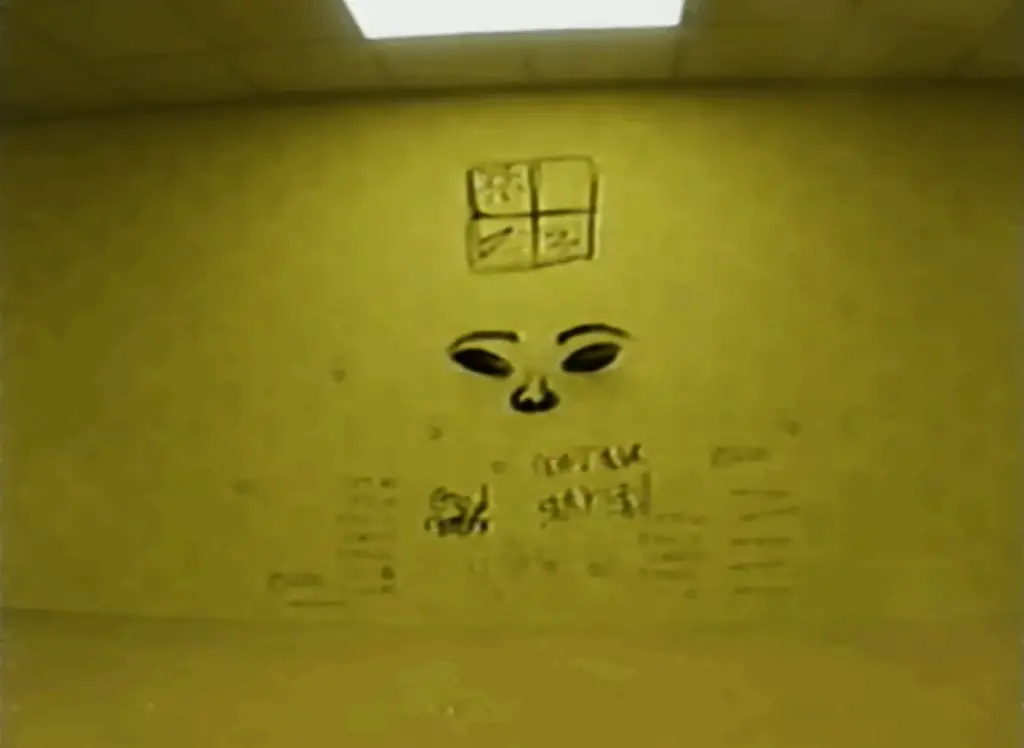
The problem is that these big time studios really don’t understand the underlying appeal of these texts. They see the wild success of Obsession and think it’s made hundreds of millions of dollars just because of its memetic appeal and NOT its war-of-the-sexes and rape culture-adjacent overtones. They think the popularity of Backrooms is all aesthetics and NOT because it’s a metaphor for how placeless so many young people feel in the American economy these days. They see the fashion statement, but they don’t actually see the reasons why these things connect withe people in the first place.
Success breeds imitation and greed still reigns supreme. The same way the grunge movement began as something authentic and genuine only to transmogrify into Third Eye Blind and Creed half a decade later, you can kinda see the logical outcome of Hollywood’s “internet meme horror” bonanza already. Welcome to 2029, where “Grimace Shake II” and “Friday the 6-7” compete for that high-stakes opening weekend take … it gives new meaning to the term “brain rot,” huh?

