

970x125
The Modern-Day Screenshot Collection
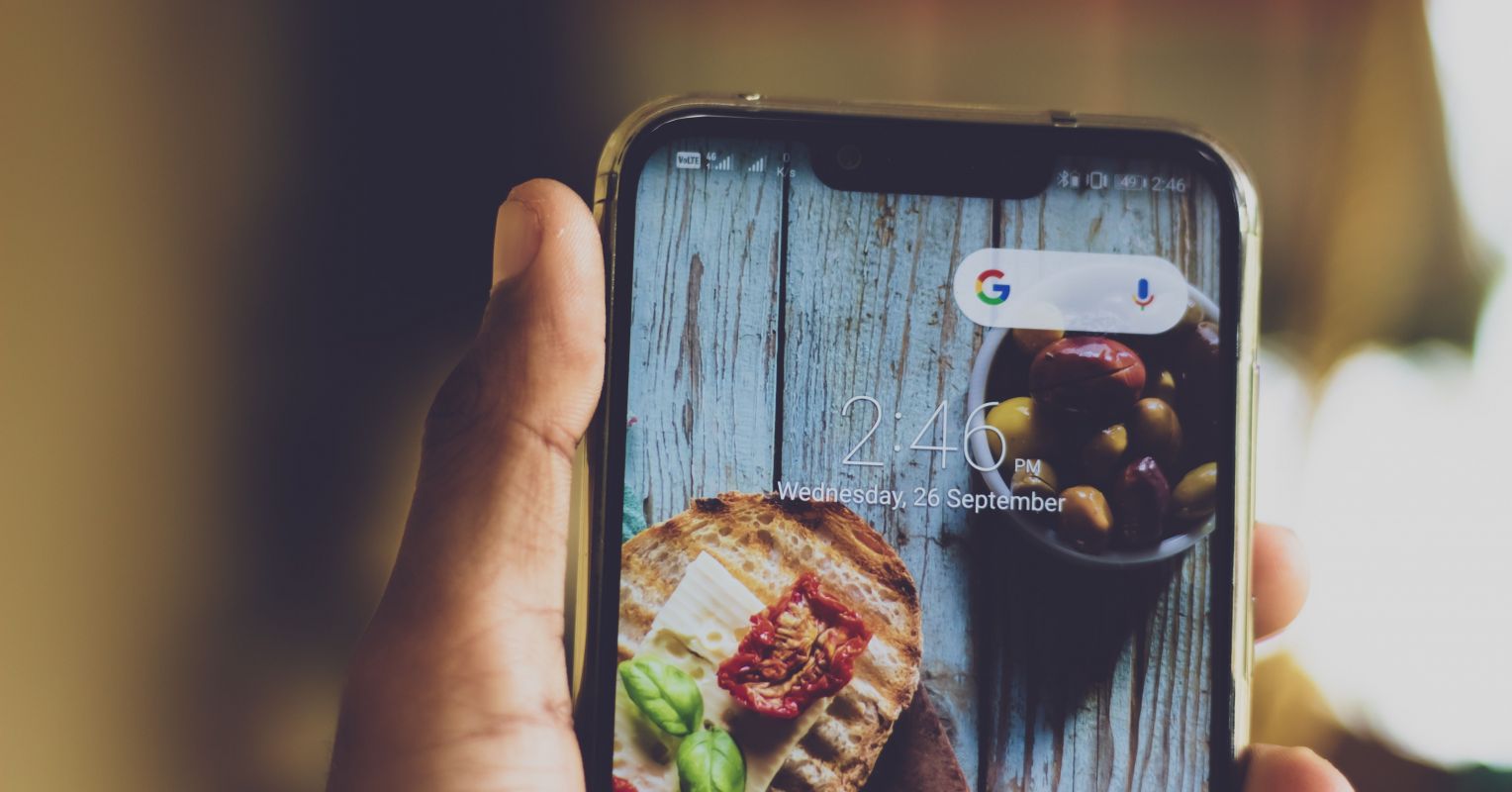
Most people have hundreds—sometimes thousands—of screenshots sitting quietly in their phones.
They might include recipes you never cooked, books you never read, holiday destinations you never visited, workout routines you never tried, or inspirational quotes you barely remember saving.
Yet in the moment, each screenshot felt important.
For a brief second, something captured your attention strongly enough to make you stop scrolling and save it.
The curious thing is that many of these screenshots are never opened again.
So why do we keep taking them?
The Fear of Forgetting
One explanation is surprisingly simple: screenshots help us cope with the possibility of forgetting.
Human memory is limited. We cannot retain every useful idea, interesting recommendation, or meaningful piece of information we encounter throughout the day. Screenshotting creates an immediate sense of security. Once the information is stored, we no longer have to rely on memory alone.
Psychologists describe this as cognitive offloading—using external tools such as notebooks, calendars, smartphones, or computers to reduce the demands placed on memory (Risko & Gilbert, 2016). Research suggests that once information has been stored externally, people may feel less need to remember it themselves, a phenomenon also demonstrated in studies of the “Google effect” (Sparrow et al., 2011).
In this way, saving a screenshot can provide an immediate sense of completion, regardless of whether we ever return to it.
Saving Possibilities, Not Just Information
Many screenshots are less about information than possibility.
A saved recipe represents the person you might become when you have more time to cook. A saved workout reflects intentions about future health. A screenshot of a beautifully organised home may represent aspirations for a calmer, more ordered life.
These images often belong to a future version of ourselves.
Research on future self-continuity suggests that people regularly make present-day decisions with their future selves in mind (Hershfield, 2011). Saving screenshots may be one everyday expression of this tendency—a way of preserving resources that we imagine our future selves might appreciate.
Viewed this way, the screenshot is not simply a record of information. It is a small investment in an imagined future.
The Comfort of Being Prepared
Much like carrying an umbrella “just in case,” screenshotting can provide psychological comfort.
Knowing that something has been saved creates a reassuring sense of preparedness. Even if we never use the information, storing it may reduce the feeling that we could lose something valuable.
This behaviour may also reflect our response to uncertainty. When we cannot predict what information might become useful in the future, saving it can create a reassuring sense of preparedness. Although this has not been studied specifically in relation to screenshots, research suggests that uncertainty often increases curiosity and motivates people to seek or preserve information (Lieshout et al., 2021).
The screenshot quietly says:
“I may not need this now, but I’ll have it if I do.”
Whether that future need ever arrives is often secondary.
When Screenshots Become Digital Clutter
Ironically, the more information we save, the less useful individual screenshots may become.
A phone containing thousands of screenshots can make finding any single image increasingly difficult. What began as a strategy for remembering can eventually become a form of digital clutter.
Researchers have begun exploring digital hoarding—the tendency to accumulate large amounts of digital material that is difficult to organise or delete (Sweeten et al., 2018). While saving information is often practical, excessive accumulation can make retrieval less efficient and create a sense of mental overload.
Yet many people still hesitate to delete old screenshots.
One possibility is that screenshots become psychologically linked to intentions or future plans. Deleting them can feel like letting go of possibilities rather than simply removing images from a phone.
The screenshot of a language course is not just a language course.
It is the version of you who intended to learn it.
More Than Digital Hoarding
The next time you save something to your phone, pause for a moment.
Ask yourself whether you are saving information, reducing uncertainty, preserving an idea, or holding onto a future possibility.
The answer may not always be obvious.
The hundreds of screenshots sitting forgotten in your camera roll are not necessarily evidence of disorganisation.
Instead, they may reflect something deeply human: our tendency to use technology to extend memory, prepare for uncertain futures, and preserve possibilities for the people we hope to become.
No AI tools were used to generate the content, ideas, analysis, or authorship of this article. AI-assisted software was used solely for minor grammar and spelling checks.

