

970x125
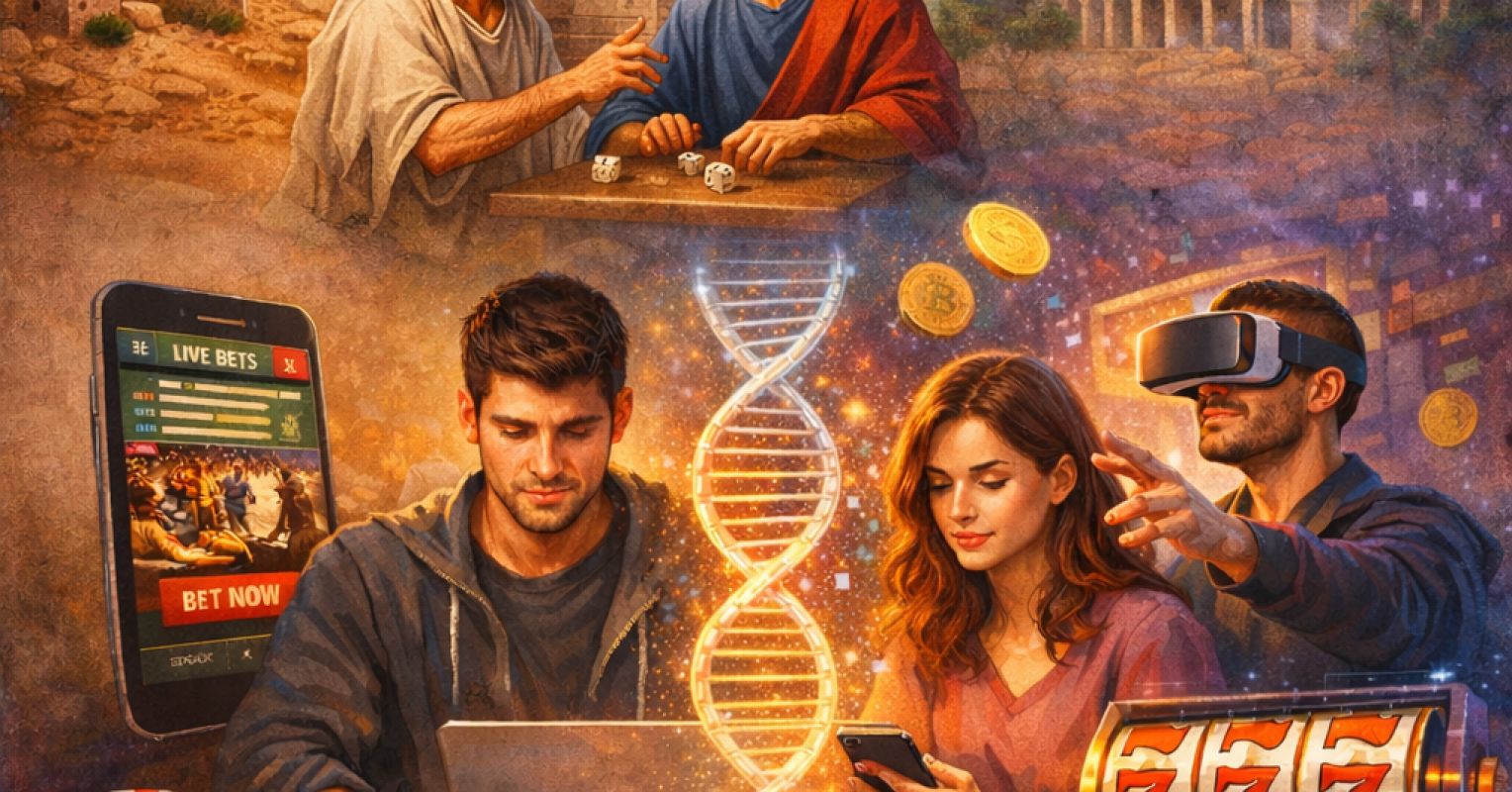
Gambling has been practiced since the beginning of human civilization. Dice-like objects from 3000 BCE found in Mesopotamia by archaeologists, plus Chinese texts from ancient times, reference the use of dice and betting in association with their spiritual beliefs regarding fate and fortune. The Ancient Greeks and Romans also participated in betting, but sometimes viewed it as entertainment and at other times as a religious belief; therefore, their philosophical debates ranged from the potential pitfalls of gambling to whether it was “harmless” or a “trap” for a person’s morals (McMillen, 1996).
During the Middle Ages, Europe saw gambling (betting) take on a mix of condemnation and celebration, with churches condemning it and community establishments like taverns and town squares having dice games and betting operations flourish at the same time. This juxtaposition illustrates two sides of gambling, that of recreation or enjoyment as opposed to that of guilt or something abhorrent. As civilizations developed through numerous cultures over the span of time, humanity has maintained an inescapable desire for the excitement that comes with the “unknown” possibilities in gambling—namely, being able to have “good luck.”
Even today, that same excitement persists. But unlike our ancestors, modern players don’t need a deck of cards or a smoky casino. The rise of technology has turned gambling from an occasional pastime into something that can happen anytime, anywhere, on any screen.
Technology, Temptation, and the New Betting Frontier
In just the past 20 years, gambling has changed more dramatically than in the previous two thousand. Thanks to smartphones, high-speed internet, and digital payment systems, betting has become as easy as opening an app. You can now wager on a soccer match, an election result, or even tomorrow’s weather, all from the comfort of your couch (Gainsbury, 2015).
This convenience has transformed gambling into a global industry worth billions. In 2023, online gambling generated over $95 billion in revenue (Statista, 2024), and revenues have continued to increase since then. Barriers to entry, such as location, distance, and time, have been removed, and only the issue of access remains to be solved. Online gaming platforms are designed to enable users to continue playing as much as possible. Gamblers are able to experience instant gratification through positive gaming experiences via bright colours, positive audio cues, and fast games.
Like social media, gambling apps use notifications, rewards, and near-miss moments to light up the brain’s pleasure centers. It’s no coincidence that gambling addiction and problematic technology use often overlap. They both exploit the same biological reward systems that make winning (or the hope of winning) feel irresistible (Clark, 2010).
Genes, Risk, and the Human Drive to Gamble
So, is there really a “gambling gene”? The answer is, not precisely, but genetics does play a role. Scientists have found that traits such as impulsivity, thrill-seeking, and risk tolerance are influenced in part by our DNA. Studies of twins suggest that as much as half of a person’s likelihood of developing gambling problems may be inherited (Slutske et al., 2013).
Specific genes that affect dopamine, the brain’s “feel good” chemical, appear especially relevant. Variations in genes like DRD2 and DRD4 may make some people more sensitive to reward and novelty (Comings et al., 2001). For these individuals, the rush of an uncertain win can be intoxicating.
But genes aren’t destiny. Life experience, upbringing, and environment shape how those genetic tendencies unfold. Someone predisposed to risk might channel that energy into entrepreneurship or extreme sports. At the same time, another might find it harder to resist the lure of slot machines or sports bets. Technology, in this case, doesn’t cause addiction but amplifies the opportunity for it.
The Future of Gambling: A Social and Ethical Crossroads
As gambling continues to become ingrained in our daily lives, the distinction between entertainment and addiction will begin to blur. Currently, artificial intelligence uses individual player behaviour data to provide customized gambling recommendations, and in the future, both augmented and virtual reality will create immersive environments reminiscent of Las Vegas (Delfabbro, King, and Arthur, 2021). With new financial products entering the market utilizing the same psychology as gaming, such as meme stocks, cryptocurrencies, and gamified investment apps, we are now witnessing the emergence of a “casino economy,” where players must navigate their way through the volatility of these assets, similar to betting. This is particularly concerning because if the “normalization” of gambling, through the guise of play, investing, or simply having fun, continues to gain steam, younger generations will be at risk of developing habits and patterns of risk-taking that will last a lifetime.
Gambling is an exciting phenomenon that is representative of who we are as a species due to our enjoyment of chance combined with our wish to control things we cannot (i.e., gambling). This combination of excitement and uncertainty creates a propensity in us as humans to be involved in this unpredictability. The excitement produced by not having prior knowledge of an outcome increases our interest in participating in this form of entertainment.
Finding Balance: How Individuals and Society Can Respond
Instead of prohibiting gambling, we should focus on doing it better and safer. Governments should establish stricter regulations regarding online gambling sites. It should be a requirement of this regulation that the user have greater access to more transparency regarding the odds, limits on player spending, and the availability of timeouts/mandatory breaks, among other things. Public health campaigns should also be used similarly to the campaigns that were developed for tobacco and alcohol use. These would educate users and the public about health risks associated with gambling, and assist users in detecting potential signs of gambling addiction at an earlier stage.
For individuals, awareness is the first defense. Setting firm boundaries of time limits and budgets, or simply avoiding high-risk apps, can make a world of difference. Those who know they have impulsive or thrill-seeking personalities should be especially careful. The goal isn’t to eliminate risk from life but to manage it consciously.
Establishing healthy options is a priority. In addition to being an enjoyable form of recreation, fulfilling one’s need for adventure through something more than gambling can stimulate the human brain’s pleasure centre to have an equally pleasurable outcome as gambling does. Schools and businesses should educate the general population about money management and help individuals develop skills to critically analyse the chances that gambling sites are marketing to entice them into believing they can win a game based on skill instead of just luck.
The Gamble Ahead: Navigating Risk in the Modern Age
Gambling exemplifies a fundamental part of being human. Gambling reflects our proclivity toward uncertainty and the desire for control of something that is otherwise unpredictable. Our inclination to engage in such opacity is highlighted by the potential for excitement associated with not having prior knowledge of the outcome. The evolution of gambling from a religious ceremony to a digital experience raises ethical and biological concerns; what is the threshold for acceptable risk when gambling? Determining whether a particular risk associated with gambling is acceptable, while there may not necessarily be an identifiable gene associated with gambling behaviour, our brains inherently search for and reward behaviour that provides an exhilarating experience.
When this innate trait is combined with technological developments that take advantage of such behaviour, the individualization of self-regulation will likely be the primary obstacle individuals will face when engaging in gambling activities. Future progress in gambling will depend on how well we understand the intersection of biology, behaviour, and technology to improve gambling systems. The most significant risk taken is often within oneself rather than on the table or the wheel. How will one approach and take advantage of the activity of gambling? The answer to that question is worth a gamble.

