

970x125
Work has always meant more than a paycheck.
For many of us, it has been proof of worth. Protection. A way to stay visible in systems that often only notice us when we falter. We were taught, explicitly and implicitly, that effort keeps us safe, that productivity earns respect, that rest is something you reach after survival.
So as a new year begins and questions about “work-life balance” resurface, it’s worth asking whether balance was ever the right frame, because balance assumes equal weight, and many of us have been carrying far more than our share for a long time.
The Discipline of Endurance
Many people are praised for resilience while being denied the recovery that resilience requires.
We learn to stay ready. To show up early. To push through fatigue and silence discomfort. Endurance becomes identity. Exhaustion becomes normal. Somewhere along the way, working nonstop starts to feel synonymous with being responsible and “productive.”
But survival-mode discipline has a cost. Burnout doesn’t always look like collapse. Sometimes it looks like numbness, like irritability that feels out of character, like joy that feels postponed until “things slow down” or the “right time,” or like success that looks good on paper but feels hollow in the body.
The question isn’t whether we can keep going but whether we were ever meant to do so without pause. Or, to keep it real, possibly stopping, completely.
Harmony Over Hustle
Instead of chasing balance, what if we aimed for harmony? Harmony allows for fluctuation. Harmony accounts for culture, history, and context. Harmony recognizes that rest is not a reward. It’s a requirement.
Work-life harmony isn’t about doing less for the sake of doing less. It’s about alignment. About being intentional. About asking whether our work supports the life we want, or quietly consumes it.
It asks harder questions:
- Who benefits from my constant availability?
- What parts of myself get sidelined in the name of productivity?
- When did rest start feeling unsafe?
Success, Reconsidered
We’re often taught to measure success by output: titles earned, milestones reached, responsibilities stacked, awards collected, Zoom claps received.
Rarely do we ask whether success is sustainable.
A fuller definition of success makes room for health alongside achievement, connection alongside independence, meaning alongside momentum. This doesn’t require abandoning ambition. It requires honesty about where ambition comes from, and what it costs when left unchecked.
For many, structural realities make stepping back difficult. Bills don’t pause. Responsibilities don’t disappear. And my favorite for my household: Daycare gotta get paid.
Harmony is not about guilt or comparison. It’s about agency where agency exists. Sometimes harmony starts quietly: ending the workday without apologizing, protecting rest like any other commitment, letting joy exist without justification, setting boundaries that feel uncomfortable but necessary, using “no” as a complete sentence.
This question isn’t theoretical for me: Living with type 2 diabetes has forced me to confront it in real time. As 2025 came to a close, I found myself asking a blunt, uncomfortable question: How many times am I trying to end up in a doctor’s office in 2026, from stress, sickness, burnout, or other things within my control outside of routine appointments?
I vividly remember one doctor straight up saying, “You are too smart to end up here so often.” That pissed me off, but he was right: I was failing myself by falling into the same cycles, as if it were a fixed fight against me.
He wasn’t shaming me. He was being real. The body doesn’t negotiate with overwork. It doesn’t care how accomplished we are or how justified our stress feels. It responds to what we consistently do, not what we intend and hope for.
Choosing harmony, for me, isn’t aspirational. It’s necessary. It’s accountability to my health, my family, and the life I want to remain present for.
The Courage to Set Things Down
We live in a culture that celebrates carrying more but rarely honors the wisdom of setting things down.
True strength isn’t measured by how much we endure. It’s revealed by our willingness to listen to what our bodies and spirits are asking for.
For those taught that motion equals survival, choosing rest can feel like resistance, because it is.
As this new year unfolds, consider this an invitation: not to grind harder, but to live more deliberately. What kind of life is my work making possible? What am I postponing in the name of productivity? Where might harmony replace hustle, even briefly?
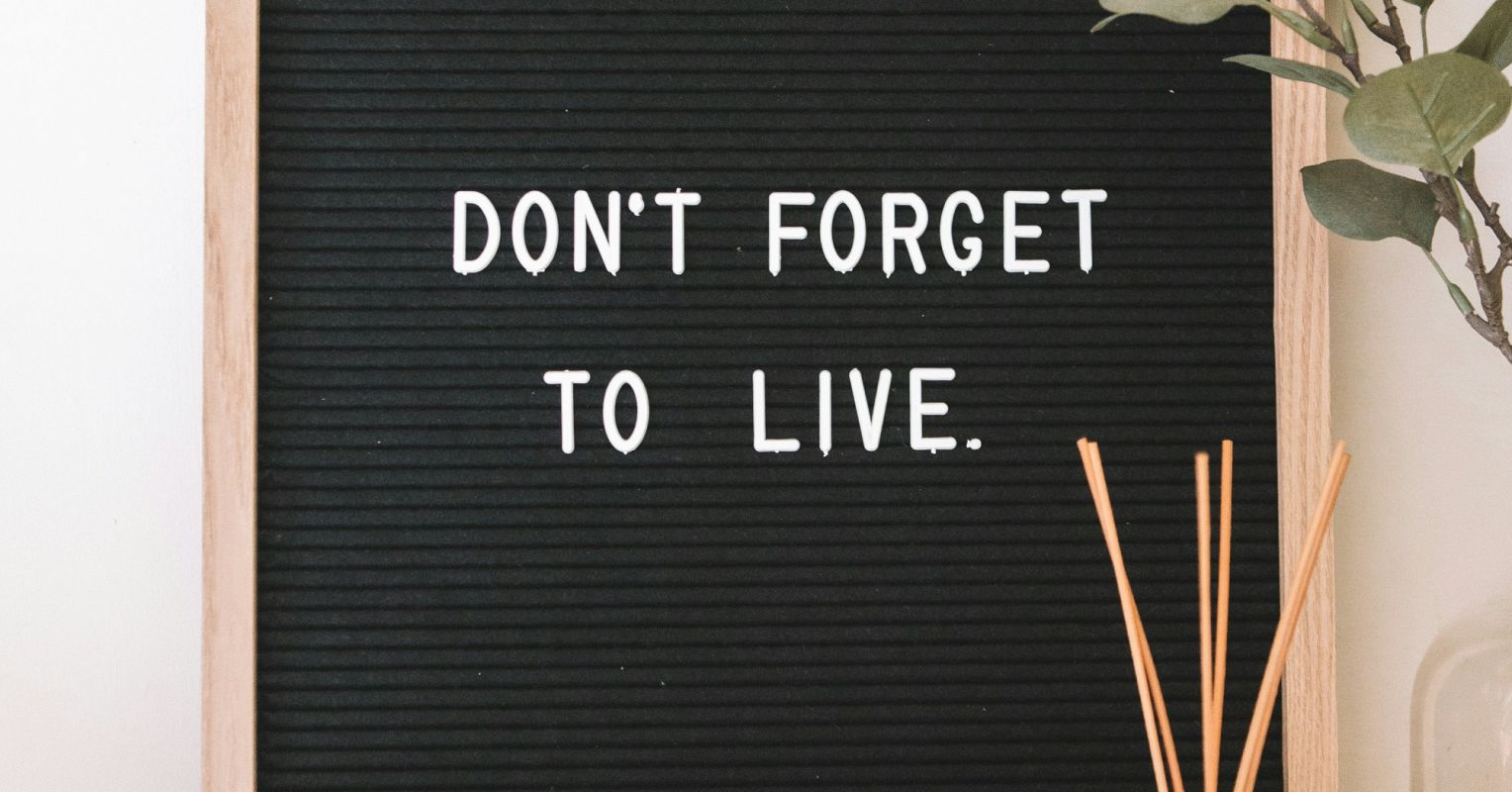
The crux of the matter: The goal was never to work ourselves into worthiness. The goal was always to live.
We are not given lives to prove our value through work. We are given work as a vessel toward living the lives we want. You don’t have to love your job to be good at it. You just have to protect what you love from being consumed by it.
In 2026, live on purpose. The rest will follow.

