

970x125
Early in her career, USA Today best-selling author Emma Grey felt like rejection would break her. Today, she’s made rejection something to reach for.
The fear of rejection is evolutionary—we are hardwired to avoid rejection in order to survive and protect social cohesion. In fact, research shows that rejection triggers the same brain regions as physical pain (Kross et al., 2011).
While fearing the pain of rejection can lead to self-doubt, hesitation to pursue our desires, and feelings of inadequacy and unworthiness, the experience of rejection can actually build resilience.
Rather than leaning into a rash reaction to rejection, tolerating the uncomfortable feelings and continuing to persevere can help us to maximize the common experience of rejection (Lesnick & Mendle, 2021). Negative emotions in response to rejection are expected—coping strategies like cognitive reappraisal, seeking social support, pursuing self-growth, and making changes using a problem-focused approach can help us to achieve success in the wake of rejection (Antletse Phiriepa et al., 2025).
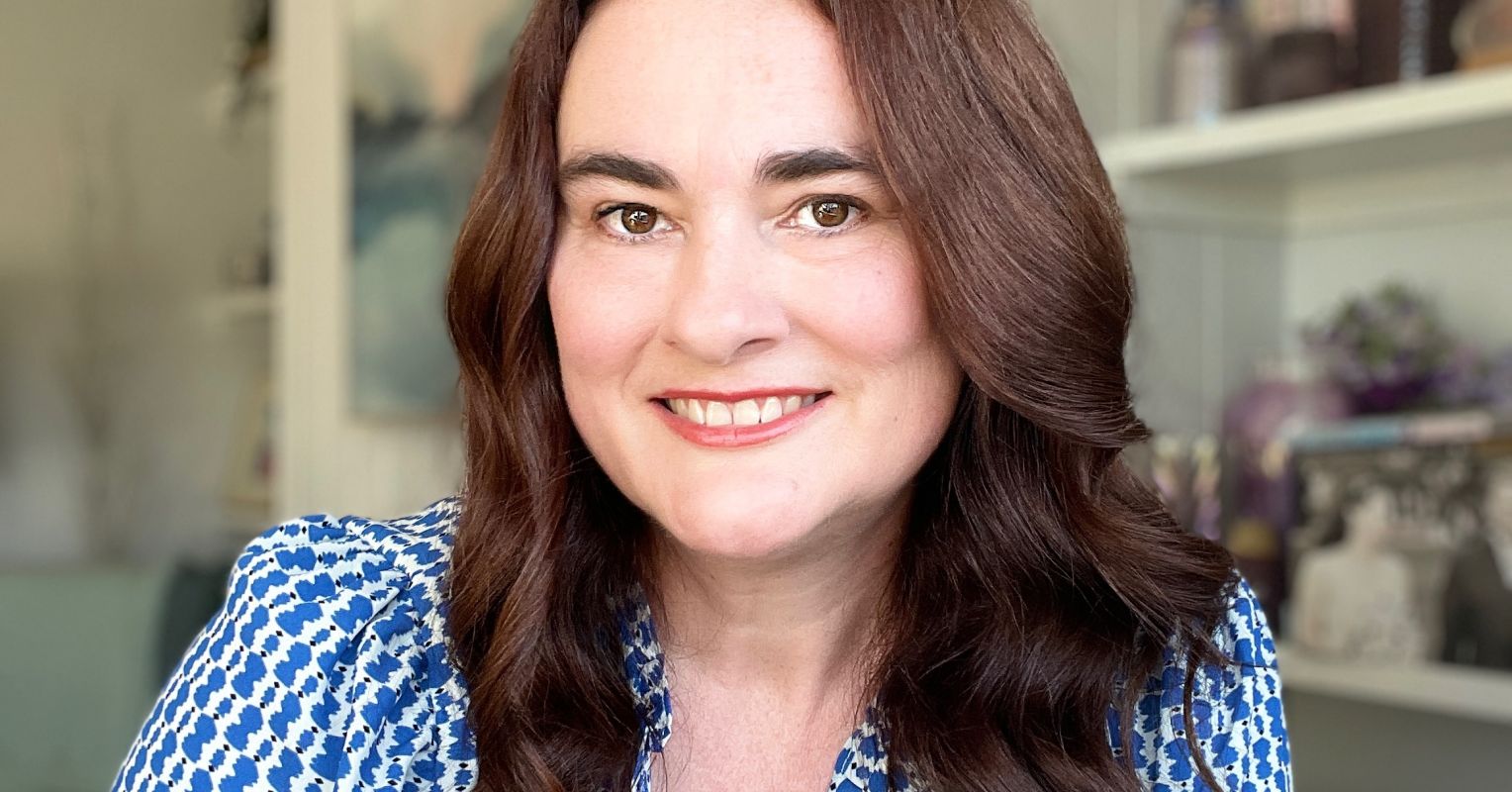
Emma Grey is the author of seven books, including The Last Love Note and Pictures of You, which has been optioned for television. Her forthcoming novel, Start at the End, will be published in April 2026. Its recent rejection by the screenwriter, director, and producer of her dreams became the career highlight of her life.
Rather than fearing rejection, Grey reframes it as proof of courage. Aiming for rejection has led to unexpected breakthroughs and successes that might have never happened without the courage to try and endure rejection. Here’s her take on why rejection is a worthy goal
Q: How has rejection played a valuable role in your personal and professional journey?
Emma Grey (EG): My relationship with rejection is welded so tightly to success that I can barely tell where failure ends and achievement begins.
It has become about much more than learning to dust myself off and persist through disappointment. It’s now a strategic decision to actively pursue failure—and lots of it—as a central tactic toward unfolding my dreams.
After struggling to cope with rejection early on in my career, I’ve learnt not just to manage my response to it, but to joyfully embrace it. Rather than keep my failures private, I shout them from the rooftops, sharing them on social media, on stages at author talks, and in interviews.
This approach has coincided with a rapid turnaround in my career, because I’m no longer afraid to take risks. And engaging with risk pays off.
Q: How has your perspective on rejection shifted through these experiences?
EG: Like many creatives, particularly those of us with ADHD-related rejection sensitivity, failure can really sting. I still recall where I was when my agent called to say a publisher had turned down my first novel. An editor had taken it all the way through a successful acquisition meeting at a “Big Five” publishing house, where it was unanimously decided that I should be offered a deal.
Unfortunately, a key decision-maker had been absent. The next morning, she overturned the decision. The excitement and near-certainty of success just evaporated, and I was crushed.
It’s human nature to want to avoid that feeling. Exposing your creative work, risking criticism or rejection, is hard. I knew that if I really wanted this career, I would need to get better at this, but it wasn’t until I read a Literary Hub piece by author Kim Liao that I stumbled onto a technique that transformed everything.
Q: On your wall, you’ve hung a poster where you record everything you put out into the world—every attempt at something, every risk you take—with the bold goal of reaching 100 rejections. Where did you find inspiration for this personal project? What do you hope to gain along the way to achieving 100 rejections? What meaning have you gleaned from this endeavor?
EG: We have a new year tradition involving my children, my sister, her teenagers, and even our 93-year-old dad, where we all make posters listing our goals. It’s a mix of professional and personal aspirations, places we’d like to see, and experiences we’ll chase.
More important than this list for me is the “Rejections Chart” that I hang beside it, where I draw up 100 empty boxes to record the 100 times I hope to fail that calendar year.
The chart takes pride of place on my kitchen wall. It’s in clear view of my kids, our neighbours, our dinner guests, the plumber, everyone. I post photos of it on social media. I take it to school visits for author talks. This thing has become so powerful, if we had to escape the house quickly, it’s one of the items I would try to grab.
In my industry, talent and hard work are very often not enough. Luck and timing play a part. Having a manuscript land on the desk of the right editor at the right time can feel like a miracle. But it’s also a numbers game, and one we are certain to lose if we fear failure so much we never risk it, instead preserving the dream in a state of delicious potential.
I’ve found that “gamifying” failure by making it a goal to attract 100 rejections a year has swept away a lot of the overthinking. There’s been a noticeable softening of my attachment to specific outcomes because all my “eggs” are now dispersed in so many different baskets, and each one feels lighter.
And that’s when the magic happens. When I spend less time wallowing in the knock backs and obstacles, second-guessing whether I’m “good enough,” and pinning my hopes on one particular result, a path forward often opens up. The more things we aim for, the higher the chances that something will land. It’s about the art of leaping over failure without letting it break your stride.
Looking at my rejections charts from the last few years, the content has shifted markedly. I’m now reaching for bigger things. There are names and organisations on this year’s chart that I am thrilled to have had the privilege to write down. They might not have accepted my various proposals, but there was a time not very long ago when reaching out to them at all would have been impossible. Some of those rejections are so precious to me, I almost want to frame them. They are a measure of getting over myself in this regard, and a sign of the resulting progress.
Q: How has your own redefinition of rejection changed your hopes and dreams for your children? Why do you hope they experience their fair share of rejection in their own lives? How do you hope rejection shapes them?
EG: There were times when my kids were younger when I’d have them chart up my rejections for me. I wanted them to see their mom fail. To know it’s normal.
They come to my book launches and see my novels on lists, but I wanted them to be just as familiar with the messy path I took to get there. I hoped that if they had front row seats to my own failures, perhaps it would be easier for them to see the big picture if they didn’t get that first weekend job they interviewed for, or if they failed an exam. I want them to see that disappointment is normal. That’s it’s OK to feel upset about it. But that we can adopt an approach where failure helps to drive us, and where we don’t allow our confidence to be snagged on it every time.
Q: What do you hope readers take away from your reflections on rejection?
EG: So often, we only see what works in other people’s lives. I hope readers might take comfort in the reminder that rejections are a normal part of shaping lives and careers that we love and perhaps take this as a challenge to create their own charts to collect 100 rejections in a year, big or small, professional or personal, and use it as a tool to soothe the sting.

