


970x125
I want to talk about the two types of horror fans currently at war with each other on the internet, and I say that with love for both of them.
On one side you have the person who thinks Hereditary is the most important horror film of the last twenty years and wants to write a thesis about grief as architecture. On the other side you have the person who watched the same film, waited patiently for something to actually happen, and then left a one-star review that just says “not scary.” Both of these people love horror. Both of them went to see the movie. Somehow they watched completely different films.
The phrase at the center of this whole mess is “elevated horror.” It has been used to sell movies, start fights, end friendships, and generate more thinkpieces than any two words in the genre’s recent history. I am not here to tell you which side is right. I am here to make sure you actually understand what each side is arguing, because a lot of this debate is people yelling past each other about completely different things. Grab a snack. Let’s do this.
What Is Elevated Horror and Who Decided That Was a Name
The term doesn’t have a single inventor, which tracks, because nobody with good taste would have claimed it. It crept into critical vocabulary around the time Robert Eggers’ The Witch arrived at Sundance in 2015. Critics who had spent careers treating horror like a guilty pleasure suddenly had a film they felt comfortable writing about at length, and the word “elevated” started appearing in reviews the way “brave” appears in Oscar coverage: technically a compliment, slightly condescending if you think about it too hard.
The Hollywood Reporter noted the irony pretty well: Eggers made a film that rejects the idea that horror needs to be dignified to deserve attention, and it became the founding document of a movement built entirely on that idea. The Witch did not ask to be elevated. It was just a great film that mainstream critics finally had a framework for engaging with.
From there, Ari Aster arrived with Hereditary in 2018 and Midsommar in 2019, A24 leaned into the branding, and suddenly “elevated horror” was a genre, a marketing category, and an extremely reliable way to start a fight in any horror group chat.
For the record, the working definition is something like: horror films that prioritize atmosphere, psychological depth, and thematic substance over jump scares and gore. Which sounds reasonable until you realize it accidentally implies that films with jump scares and gore are doing something less than. Horror Obsessive flagged this early and correctly: calling some horror elevated is a very polite way of suggesting the rest of it is on the floor.
The Case For It: When the Slow Burn Actually Burns
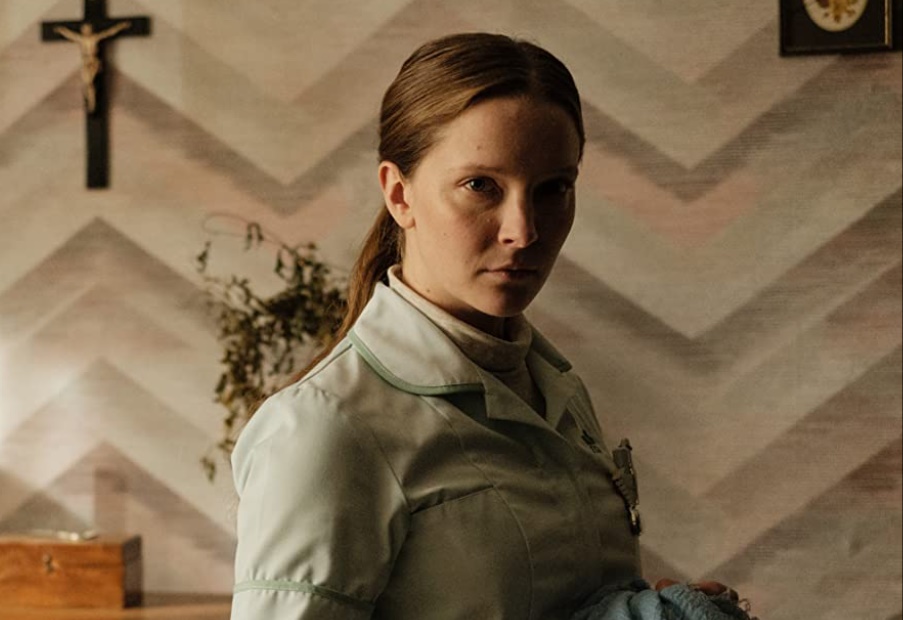
Okay, team elevated, this one’s for you. And yes, I’m using team as a joke but also not really.
The genuine argument for this wave of horror is that at its best, it does something the genre has always been capable of and rarely gets credit for. It uses fear as a structural tool for exploring things that are actually scary. Not monsters. Loss. Grief. The collapse of a family. The way trauma gets passed down like a bad inheritance.
Hereditary isn’t a movie about a cult. It’s a movie about what it feels like to be inside a family where something is fundamentally broken and nobody will name it. The horror works because the emotional damage is real first and supernatural second.
The same goes for The Babadook, which is genuinely one of the most suffocating films about depression ever made. Or Midsommar, which manages to make a sunny Swedish meadow feel like the most threatening place on Earth by the time it’s done with you.
The case for elevated horror is just sometimes the scariest thing in a horror film isn’t on the screen. Sometimes it’s the thing the film makes you feel about your own life while you’re watching. That’s a legitimate form of horror. It has been since the beginning.
The Case Against It: Nothing Happened and I Sat There for Two Hours
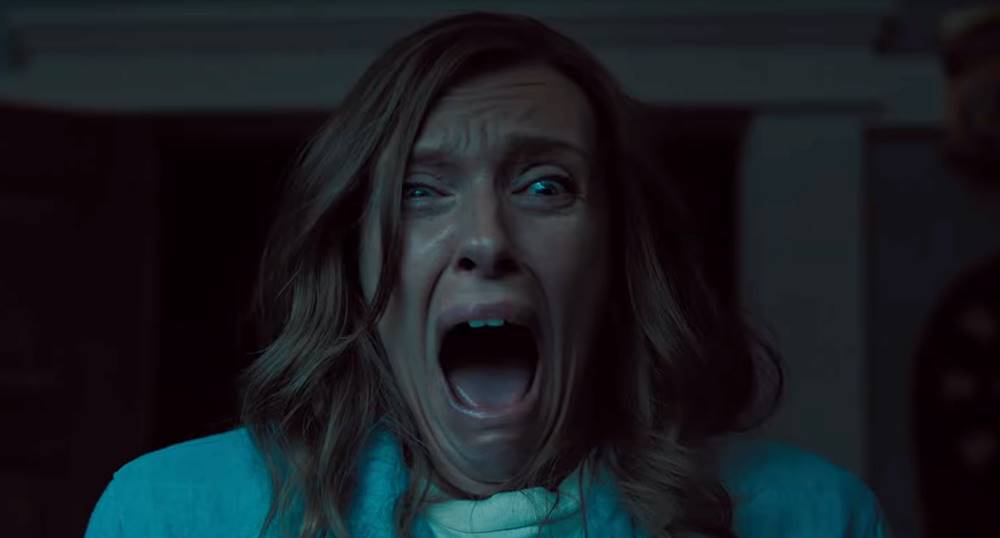
Okay, other team. Also valid. Also welcome. Pull up a chair.
The legitimate frustration is not with slow horror or emotional horror or any of the genuinely good films that get lumped under this label. The frustration is with the films that learned to perform those qualities without actually delivering them. And there are a lot of those films.
Once studios figured out that “elevated” was a word that opened doors and got awards consideration and made critics write 3,000-word pieces, the label started getting applied to anything sufficiently slow with a muted color palette and a dead relative in the backstory. Not all of those films earned it. Some of them are just quiet and sad and completely unbothered by the fact that nothing scary is happening.
The clearest case study is It Comes at Night. It holds an 87% from critics on Rotten Tomatoes. Its audience score is 44%. Its marketing sold a creature feature and delivered a slow psychological drama about paranoia and plague. That gap is not just a marketing failure, though it is definitely a marketing failure. It’s also a real conversation about what audiences feel they’re owed when they buy a horror ticket and what they actually get.
There’s also the gatekeeping problem, which runs in both directions but hits harder from one side. When elevated horror advocates dismiss gore-heavy or fast-paced horror as lesser, they’re dismissing decades of genuinely innovative, culturally significant filmmaking. The Texas Chain Saw Massacre is not waiting for someone to elevate it. It is a perfect film. It does not need finishing school.
The anti-elevated crowd is onto something real when they say the label gets used as a permission slip. It lets people be horror fans on a three-film allowance without doing the actual work of engaging with the genre. That’s annoying. It’s okay to be annoyed by it.
The Films That Broke Everyone’s Brain

The most interesting territory in this whole debate is the films that don’t fit cleanly on either side and drove both camps completely insane trying to categorize them.
The Substance is the best example. Coralie Fargeat made a film that is a pointed, angry, thematically loaded piece of work about the entertainment industry’s relationship with women’s bodies. Very elevated, by the usual criteria. It also has some of the most intensely physical, stomach-turning body horror put on screen in years. Viewers were walking out mid-screening. It was not slow. It was not quiet. The film was loud and bloody and furious and also extremely smart about what it was doing. Nobody quite knew what shelf to put it on and that’s exactly what made it interesting.
Talk to Me, the Philippou brothers’ film about a cursed ceramic hand that lets you invite demons in, overtook Hereditary as A24’s highest-grossing horror film. It is fast and visceral and genuinely upsetting and also deals with grief and teenage numbness and the specific horror of not knowing what you want. Nobody called it elevated. It was too fun. But it’s doing the same emotional work as films that get that label all the time.
These films suggest that the binary was always a little false. A movie can be smart and scary. It can be slow and dull. It can be gory and emotionally empty. The label doesn’t actually tell you which one you’re getting.
So Where Does This Leave Us

Genuinely, I don’t know, and I think that’s the right answer.
The term elevated horror is probably not going away, because marketing terms never die, they just get quieter. The debate around it is also probably not going away, because it’s actually a debate about something real. What horror is for, who it’s for, and whether a film owes you a specific kind of experience when it calls itself horror.
The elevated horror defender and the “nothing happened” reviewer are both responding to real things. One of them found a film that got under their skin in a way they didn’t expect and can’t quite explain. The other sat in a dark room for two hours waiting for a movie to keep a promise it never actually made. Both of those experiences are valid. Both of them are also talking about completely different films half the time and pretending they’re talking about the same one.
What I actually want to know is where you land. Not in the abstract, but specifically. Is there a film that got labeled elevated horror that you think genuinely earned it? Is there one that you think used the label as a shield for not actually being scary? Did It Comes at Night do anything for you or did you want your money back?
Drop it in the Facebook comments. I’ll be there. This is the kind of conversation the genre needs to keep having, loudly and specifically and without anyone pretending there’s an obvious right answer. Because there isn’t one. And the fact that there isn’t is kind of what makes horror interesting.

