

970x125
I want to ask you a question: Do you think the choices you make today will have any impact on your future?
If we stop to think about it, most of us would say, “Yes, of course.” But we don’t actually live that way. We tend to view our days as a series of isolated events—a mishmash of choices that seem totally inconsequential in the moment. We choose what to eat, what to watch, or how to react to a spouse, assuming these small moments vanish as soon as they pass.
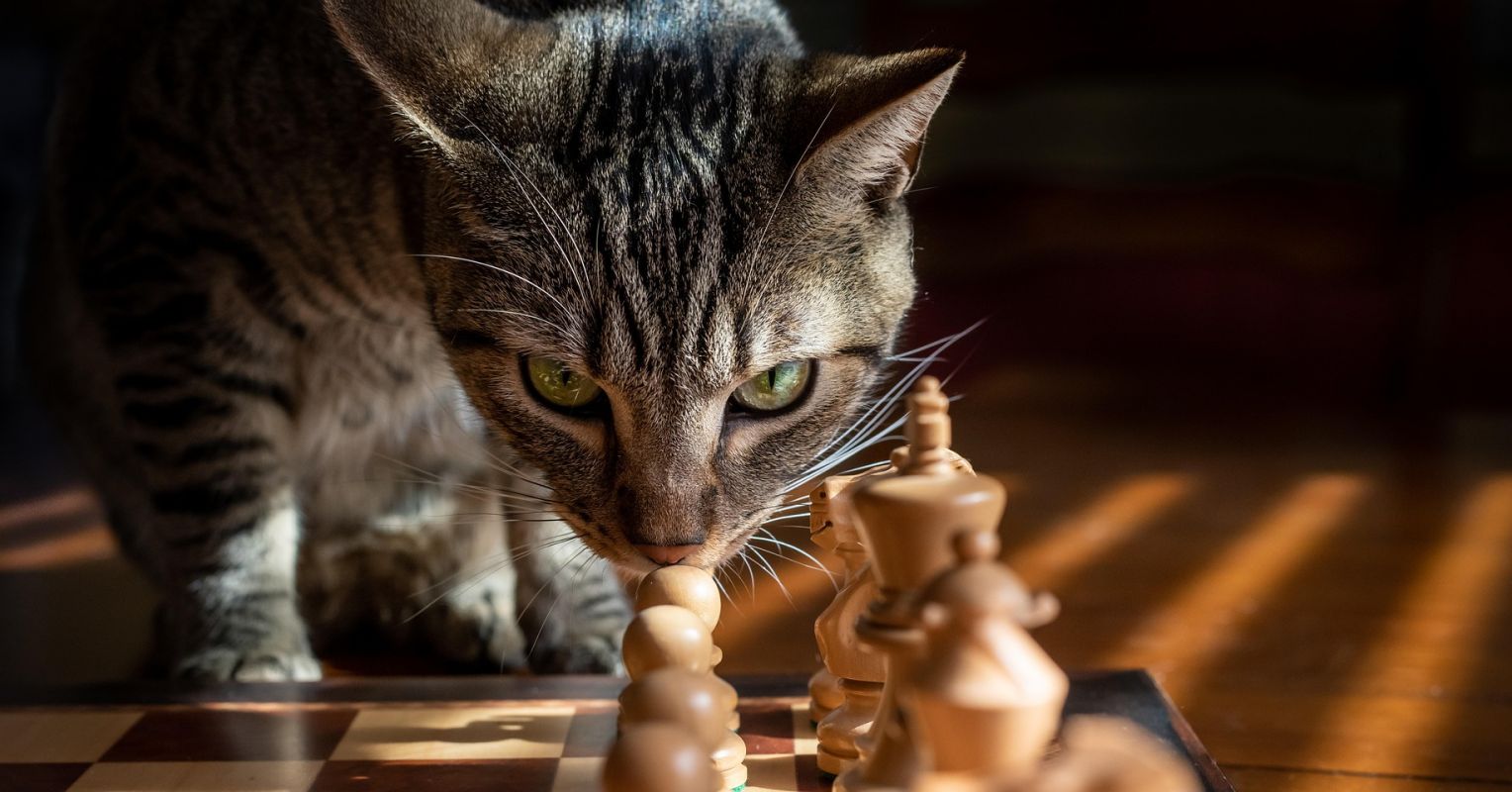
But what if we changed our perspective? What if we viewed life not as a series of random events, but as a chess game where every single move has repercussions for the entire board?.
The Trap of Lag Time
The hardest part of playing the “game of life” is that, unlike chess, we rarely see the immediate result of a move. There is a “lag time.”
A blunder in the opening moves of a chess match might not cause you to lose the game until 40 moves later. Life is the same. A healthy, vibrant teenager who starts smoking won’t feel the negative effects for decades, but when they arrive, they arrive with a vengeance.
I remember attending a family reunion years ago. Towards the end of the night, I decided to go to bed early because I wanted to run the next morning. Some of my cousins were upset; they wanted me to stay up and drink with them. I went to sleep anyway.
Now, years later, I am grateful that my body is still healthy, while sadly, many of those cousins struggle with severe health issues. Did that one specific night determine our futures? No. But the consistency of those moves—repeated over a lifetime—created a winning position for my health and a losing position for theirs.
The Grandmaster Strategy: Playing for the World
If life is a game, how do we win?
In 2024, Demis Hassabis, along with his colleagues, won the Nobel Prize in Chemistry. As a child, he was a chess prodigy, winning games at a very young age. But as he grew up, he realized there was a much bigger game to play than the one on the board: He wanted to make the world a better place.
He turned down lucrative offers to focus on developing artificial intelligence (DeepMind) that could solve complex scientific problems. His team created AlphaFold, which solved the “protein folding problem,” potentially opening the door to curing diseases.
Demis didn’t just play to win for himself; he played to improve the board for everyone. He understood that every choice he made was a move toward that larger goal.
Positive Sum vs. Zero Sum
In standard chess, the game is “zero-sum”—for me to win, you must lose. But in the game of life, the best strategy is “positive sum.”
We are all pieces on the same board. If you knock over a pawn, the configuration changes for everyone. An angry word or a kind gesture has a blast radius; it affects your family, then your colleagues, and eventually even strangers.
When we help others, whether by working hard to support our children or volunteering our time, we are making the board safer and happier for ourselves, too.
The Next Move Is Yours
You might think, “I’m not a Nobel Prize winner like Demis Hassabis.” But you are still a player in the game.
When you come home tired and choose to watch a show where people humiliate each other, that is a move on your board. When you choose to speak a kind word instead of a sharp one, that is a move.
One of my favorite sayings is: “When I pull a blade of grass, the whole universe shakes.”
Let’s start asking ourselves the grandmaster’s question: If I make this move today, what does the board look like in 10 years?. Let’s play a game that makes the world better.

