

970x125
Bears are amazing sentient beings with unique personalities. Each individual has a life that not only is valuable to them and their families and ursine friends, but also to humans who interact with them and take the time to learn who they truly are beyond being misjudged as unpredictable, dangerous, aggressive, and untrustworthy beasts.1 For that and many other reasons, I was thrilled to learn of a well-researched new book titled Black Bear: A Story of Siblinghood and Survival by award-winning author Trina Moyles. In this well-written personal memoir, Trina moves beyond irrational prejudices and fear and observes the extraordinary essence of maligned black bears—a keystone species that is subjected to the environmental consequences of an oil economy as well as harm from humans who work for company. Here’s what she had to say about her landmark book.
Marc Bekoff: Why did you write Black Bear?
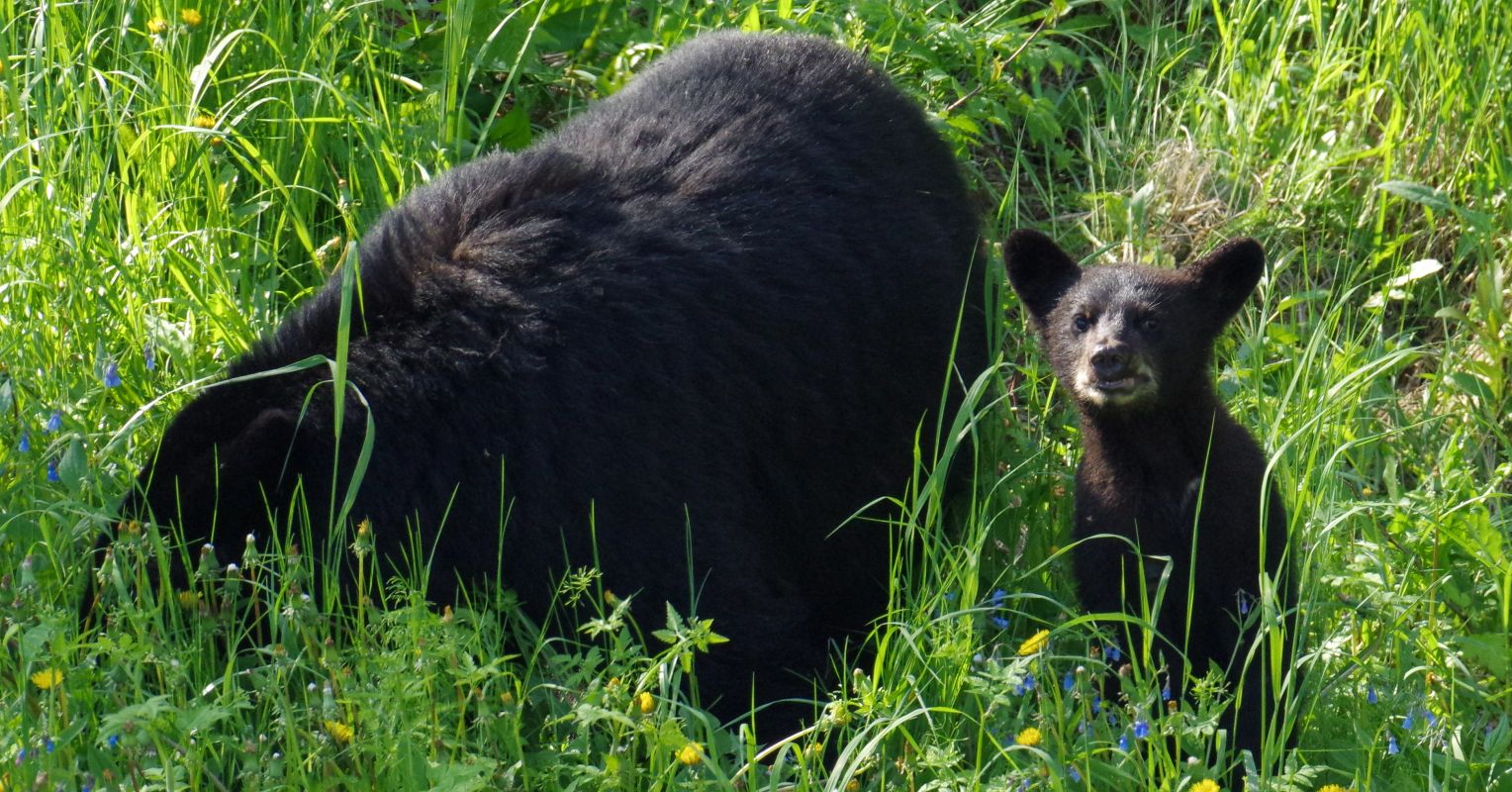
Trina Moyles My first encounter with a black bear happened in 1990, when I was 5 years old. My father, a wildlife biologist, brought home an orphaned black bear cub who had lost her mother—and possibly siblings—in a logging accident. The cub’s mother was crushed by equipment in her den. The cub spent one night with our family in our basement before being sent to a zoo. That early experience, and an awareness of the pressures bears face on the landscape, stayed with me.
Years later, I worked as a wildfire lookout in northern Alberta, scanning the forest for smoke. In 2019, I was stationed at a tower in a dense wildlife corridor. During my first summer there, I had tense, close encounters with a confident, habituated mother bear and her two yearling cubs. She didn’t behave the way I’d been taught bears behave—that they’re afraid of people. I tried deterrents: yelling, an airhorn, even rubber bullets. Nothing worked. The bears stayed.
I didn’t want the bear to be put down, so I learned to drop my defences and change my approach. I began asking different questions, such as why was she there in the first place? I came to understand that the habitat around my tower provided a kind of safe space for mother bears—a buffer from male bears. Over time, I watched one of her cubs, whom I called Osa, grow from a subadult into an adult, and eventually into a mother herself. I learned to recognize the bears as individuals, each with distinct personalities.
MB: Who do you hope to reach?
TM: This book is for anyone who loves stories about relationships between people and animals—but it’s also about human relationships. We’re living through a time of intense social and political division, and those fractures affect both people and wildlife.
At its core, this is a book about healing divides and finding common ground, with nonhuman and human species alike. I hope readers who are fearful of bears will allow that fear to transform into something more useful: knowledge and respect. We are often most afraid of what we don’t understand.
MB: What are some of the topics you consider and what are some of your major messages?
TM: Black bears who live near communities are often labeled “problem bears.” But at the root of every problem bear is a human problem—not a bear problem. We regularly set bears up for failure by attracting them with unsecured garbage, bags of dog food left outside, unharvested fruit trees, and other powerful food scents.
Driven by their noses, bears are trying to gain enough weight to survive long winters of torpor or hibernation. Some become food-habituated and return repeatedly to human settlements. Many of these bears are ultimately destroyed by conservation officers.
We need to clean up our homes and communities so bears aren’t encouraged to take those risks. At the same time, climate pressures—such as extreme heat and drought that reduce berry crops—are also pushing bears into communities. Climate change is increasing human–bear encounters. It’s no longer realistic to expect bears to stay out of our lives altogether.
Fear often prevents meaningful relationships, whether with people or wildlife. When we enter encounters—or conversations—with our hackles raised, it tends to provoke defensiveness and conflict. Bears are intelligent, sensitive, and curious beings. Not every encounter is about danger. We can learn to share space with bears without allowing fear to dominate that relationship.
MB: How does your work differ from others addressing similar topics?
TM: Black Bear isn’t a conventional natural history book. While it’s well-researched and grounded in bear ecology, it also examines how humans fit into the story. It’s about the messiness of coexistence—between people and bears, and between people themselves.
If we want these iconic animals to remain on the landscape, we have to ask hard questions about how we change our own behaviours. Coexistence isn’t passive; it requires effort, accountability, and a willingness to find common ground.
MB: Are you hopeful that learning more about bears will lead to greater compassion and respect?
TM: For the most part, bears make it easy for us to live alongside them. In many encounters, they avoid us entirely or tolerate our presence as we hike through their habitat or encroach on the forests where they den, feed, and raise their young.
People often say they love bears—but love isn’t the same as respect. Respect means maintaining boundaries that keep both people and bears safe. It doesn’t mean pushing closer for a photo or video to post online. Sometimes respect looks like giving a bear the right of way, or leaving it alone altogether.
Respecting bears means learning about their needs and patterns on the landscape, and allowing them the space to feed, den, mate, and raise their cubs without unnecessary stress.

