

970x125
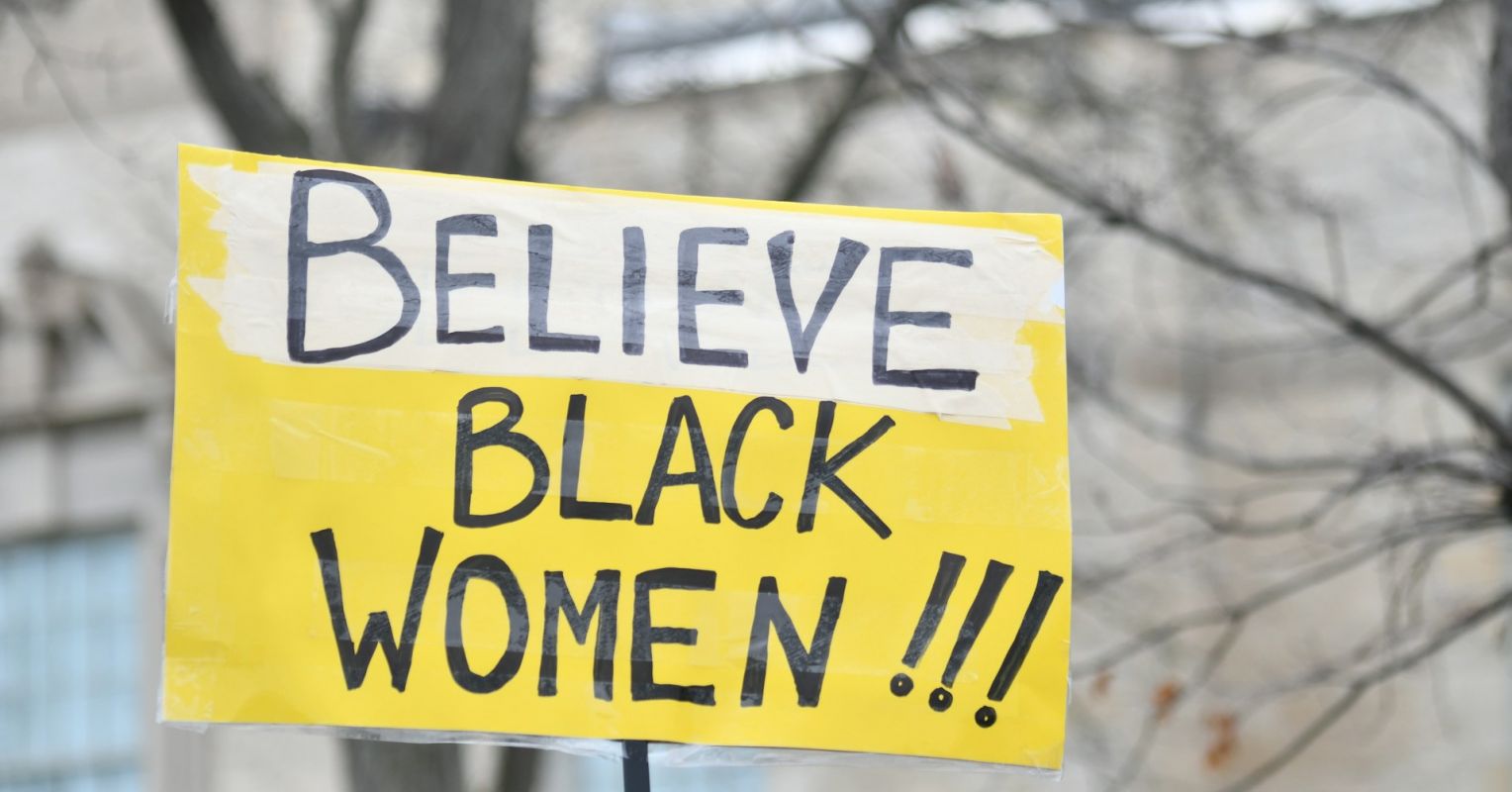
It is striking how frequently organizations and individuals display images and stock photos of Black people, especially Black women, to project an image of inclusivity and to deflect accusations of Anti-Black Racism. However, a closer look at their actual practices—such as hiring, firing, internal policies, equal pay, and addressing inequities—reveals a significant absence of Black professionals and notably Black women in leadership and decision-making positions.
Similarly, social media pages that feature Black images, voices, and AI paradoxically exhibit Anti-Black sentiments. This behavior raises questions about the motivation behind such posts, suggesting a superficial interest in social issues facing Black communities.
Racial gaslighting is evident in these patterns, as the lived experiences of Black individuals are dismissed. By presenting the appearance of support while neglecting to make meaningful changes, it not only invalidates the struggles of Black communities but also perpetuates systemic inequalities.
Digital Blackface, Blackfishing, Race-baiting, and Racial Gaslighting
Digital blackface refers to the practice of using images, voices, and AI representations of Black people to convey emotions or ideas, echoing the historical phenomenon of blackface. Originating in the 1760s, blackface involved non-Black performers caricaturing harmful stereotypes of Black people for entertainment, profit, and to reinforce racial inferiority. Its contemporary form presumes it is acceptable to exploit Black identities for social media likes and racial humor, further perpetuating racial violence and commodification.
Blackfishing involves non-Black individuals altering their appearance or adopting Black cultural identity to present themselves as Black. This practice perpetuates stereotypes and commodifies Black culture for profit, utilizing skin color darkening and specific hairstyles or speech patterns to distort the realities of Black identity and lived experience.
This exploitation of marketing Black imagery through digital blackface and blackfishing has long-standing roots in misrepresentation for profit. The phenomenon is rooted in over 400 years of systemic enslavement, during which appropriation of Black culture and distorted narratives that dehumanized it, exemplified reemerging entitled behaviors which continue to misrepresent the realities of Black people, undermining the dismantling of Anti-Blackness, delivery of reparations, and confronting ongoing social injustices.
Race-baiting involves actions, statements, and tactics designed to incite racial tensions and promote Anti-Black Racism, often for political advantage. While some people enjoy perpetuating Anti-Blackness, they too often retaliate when confronted about their race-baiting.
Behaviors that reinforce harmful beliefs and systems that contribute to the dehumanization of Black people regularly go unpunished. Those who engage in these actions frequently reap financial rewards and gain attention, further entrenching their dangerous behaviors. This dynamic persists as global societies remain dominated by white-centering, at the expense of Black people’s psychological well-being and safety.
Racial gaslighting is a manipulative tactic that distorts the real lived experiences with Anti-Black Racism. By dismissing instances of dehumanization, it can cause Black people to question their own experiences and emotions, suggesting that Black people are overreacting and framing their concerns as baseless. This invalidation of Black lived experiences for the sake of white comfort and white guilt not only reinforces systemic racism but also promotes further injurious actions.
Accountability, Responsibility, Consequences, and Reparations
As more people from white and white-proximity backgrounds recognize the roots and implications of chaotic societal behaviors, they are increasingly questioning how they can contribute to change.
A crucial element contributing to the current situation is the inadequate teaching of accurate histories, which hinders society’s ability to learn from its past errors. Rather than promoting understanding, colonial narratives often celebrate white violence and reinforce supremacy and capitalism, casting Black individuals as convenient scapegoats. This pattern of targeting has become so normalized that society’s Black people consistently face the harshest criticism and blame.
The denial and trivialization of Anti-Black Racism, coupled with the phenomenon of reverse victimization, reveal how privileged white and non-Black racialized groups often shift focus away from the actual issues faced by Black communities. Ironically, these groups frequently refuse to acknowledge their own damaging behaviors and beliefs, striving to uphold the status quo of whiteness. This reluctance stems from an unwillingness to achieve equality and from claims they fear possible backlash from Black people for harms done.
For Organizations and Groups
To initiate meaningful transformation within organizations, it’s essential to prioritize transparency regarding positionality and motivations behind decisions that feature images of Black individuals when there is a lack of internal representation. Ensuring the same opportunities for Black professionals and that Black voices and concerns are prioritized until true equality is achieved. This requires intentional decisions and actions to decenter whiteness across the entire organization. Engaging external Black consultants who have expertise and lived experience with Anti-Blackness is crucial. Relying on white or non-Black consultants who falsely claim expertise in Anti-Blackness is not only counterproductive, it actually perpetuates white-centering and gatekeeping, which continue to undermine the implementation of organizational equity.
For Individuals
- Are you owning your beliefs and actions by recognizing, apologizing for, and taking action to change harmful behaviors?
- Are you truly listening to Black voices without the impulse to respond, relate to, or offer advice? Are you taking conscious action to shift the focus away from centering whiteness in your everyday interactions?
- Are you seeking knowledge from Black psychologists, scholars, educators, social scientists, advocates, and activists with Black lived experience to deepen your understanding? Are you committed to creating environments, spaces, and places that prioritize Black perspectives and promote equality?
If you find yourself resistant to this expert advice, consider why you would not want to dismantle and eliminate Anti-Blackness. What fears do you have in a world where everyone is recognized as a whole human being, possessing the resources to live and thrive, and equally safe and protected by established laws?
It is essential to cease misrepresenting Black people, appropriating Black creativity and thousands of years of contributions, and making excuses that undermine social justice. Acknowledging and addressing these inequities is crucial to finally develop a just and equitable society.

