

970x125
Guest writer Sarah Sinn demonstrates how horror helps us understand our fight or flight response!
Horror movies are exciting to watch. They give you an adrenaline rush. That jump scare? Makes your heart beat faster. That gory kill? Makes you breath harder. That intense, build up with the scary music? Makes you sweat. But why do we have a bodily response when watching horror movies? And why do we enjoy it so much? That, my friend, is your fight or flight response, our stress response. And does it have benefits? Absolutely.
So, what is our fight or flight response? This is an automatic response we have when placed in a stressful situation, or a threat/danger is posed. This response dates back to our ancestors when they were faced with immediate danger: They could either fight, take the danger head on or flee, run away from said danger, towards safety. The actual term fight or flight was coined by Walter Cannon back in the 1920s. He discovered that our bodies had a natural physiological response when having to deal with stressful situations and/or a threat/danger. Basically, a chain reaction would occur from our brain to our bodies to give us the best defense when placed in a fight for survival. Two more have been added to the stress response. Freeze was added to the stress response in the 1970s by Jeffrey Alan Gray. And Fawn is the newest one to be added to the stress response by Pete Walker back in the early 2000s and is response mainly associated with people who experienced trauma earlier in life and PTSD.

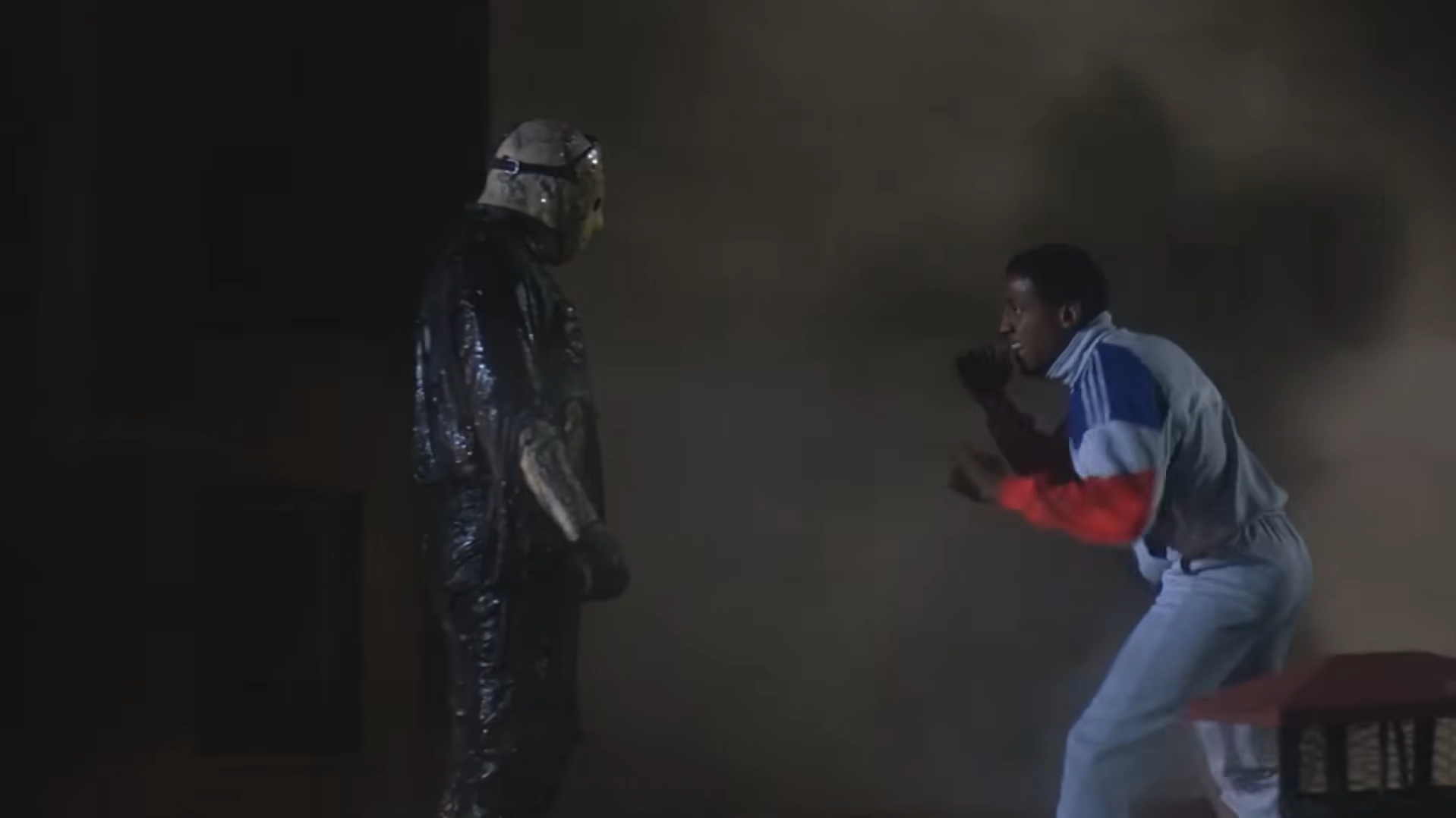
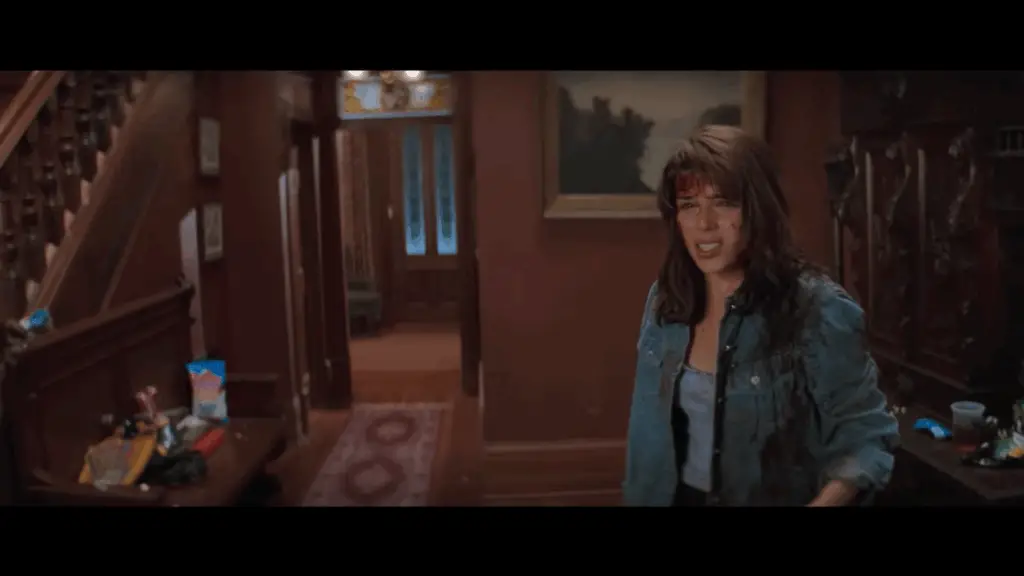
So, for our stress response we have four types: fight, flight, freeze or fawn. Fight means we confront the danger head on. For example, think of Alice as she takes Pamela Voorhees head on in Friday the 13th. Flight means we run away from danger towards safety. For example, think of Sidney as she runs up the stairs trying to get away from Ghostface in Scream. Freeze means we hide, become immobile, stuck. For example, think of Lambert as she just stands there, stuck in place as the xenomorph advances her and then kills her in Alien. And Fawn means we give in to the danger, comply, try to appease it. For Example, think of Casey as she empathizes with The Beast, trying to de-escalate the danger in Split. Now that we know the different kinds of responses, we now ask “why do we have a flight or flight response?” It’s our body’s reaction when posed with a threat, when we are placed in a stressful situation. And how does this response work within our brain and body?
Ok, yes, I’m going to have to get a little sciencey for a hot minute. Because a lot happens within a very short amount of time from the moment we perceive a threat, to how our brain functions and what areas are stimulated, to how our body responses. First, our amygdala (within our brain) is triggered going “Danger! Danger, Will Robinson!” This is our alarm system. Then, our amygdala starts to send signals to other areas of the brain. Chemicals are then released into our brain such as adrenaline and cortisol (both are released during stressful/dangerous situations). Then, our body has a physical response such as sweating, faster heart rate, and rapid breathing.
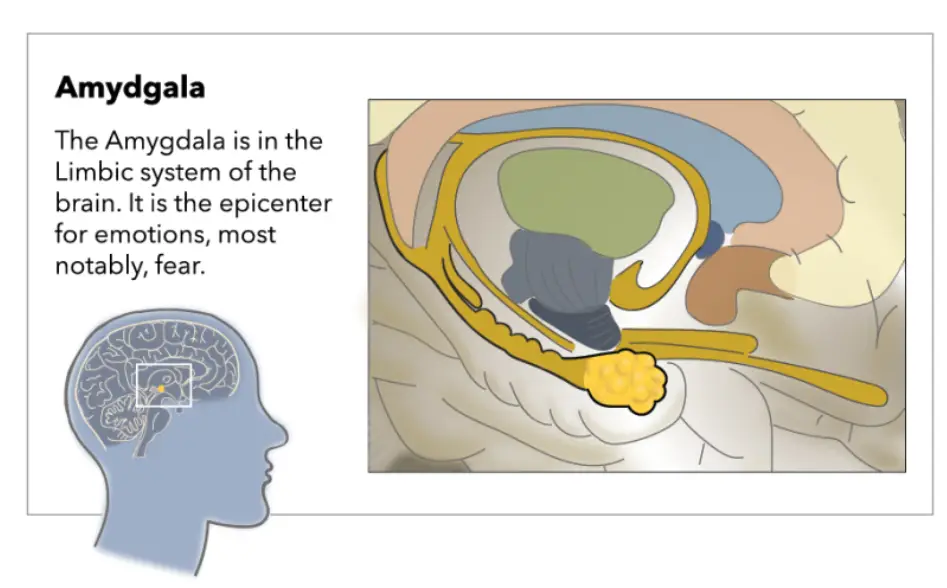
While this is all happening, our prefrontal cortex determines what kind of threat you are dealing with, assessing the situation. Is this a spider you can easily step on? Or are you face to face with a bear? So, the amygdala says, “threat detected” and sends signals to the other areas of the brain, chemicals are released, your body has a physical response, your prefrontal cortex tries to logically figure out the situation, and then you’re fight or flight response responds and you are either going to go into fight, flight, freeze, or fawn. Pretty much, your brain and body are going to decide what to do in said situation.
And do you want to know something interesting? We do not have any control over what response we are going to have. Our brain and body are going to respond how it responds to whichever situation you find yourself in. And the truth is, we do not know how we will respond in any stressful situation. Every situation is different. In one situation we may freeze. In another, we may fight. We don’t always have the same response because every situation you are placed in is different and your brain and body are going to respond how they respond and you don’t have any control over it. So, when you’re screaming at the screen “Why are you running up the stairs? Don’t answer the phone! Why are you hiding in the closet? Don’t go in the woods!” or “You know what I would do if I were them? You know what I would do in that situation?” Well, actually, you don’t know. Because, as I mentioned before, you are going to respond (fight, flight, freeze, or fawn) how your brain and body reacts to that specific situation. We all would like to believe we would “fight” in any situation. But our body and brain are going to respond to the situation to how it feels best protects us from said danger, from the threat. This is our defense mechanism. This is our fight for survival. This is what keeps us safe from danger.
OK, so why am I mentioning all of this? What does this have to do with horror movies? Well, watching horror movies can simulate your fight or flight response and, as silly as it may sound, can better prepare you for real life situations. Another physical response that happens when our fight or flight response is triggered is heightened alertness and stronger concentration. Our brain and body are preparing us for, well, anything. Anything that can happen. So, we end up becoming more aware of our surroundings, more alert, and concentrate more on what is happening around us. This is how watching horror movies prepares us. When we watch a horror movie and a scary and/or gory and/or intense scene happens, our fight or flight response is stimulated. Then our prefrontal cortex reminds us that we are in a safe environment and what we are watching isn’t real, it’s only on the screen, it’s only a movie. Basically, by watching horror movies, we are giving our fight or flight response a workout. We are giving our brain and bodies a chance to assess a situation and then resolve said situation. While at the same time, giving our senses a chance to become heightened, more aware, and alert. So, when we are placed in a real-life stressful situation, when a threat is posed, we become better adapt to get through it in one piece. Like people who study or play trivia to work their brain/memory muscles or people running on a treadmill to train for a marathon or people who go to the gym to gain strength, people who watch horror movies are training their brains and bodies to prepare them for real life threats and stressful situations.
So, when aliens invade earth or someone is chasing you or the zombie apocalypse arrives, us horror fans will be ready. We have been training our brains and body how to best react to this danger/threat in order to survive. We have been preparing for this moment our whole lives. Horror movies are more than just entertainment. Horror is healing.
Meet Sarah Sinn!
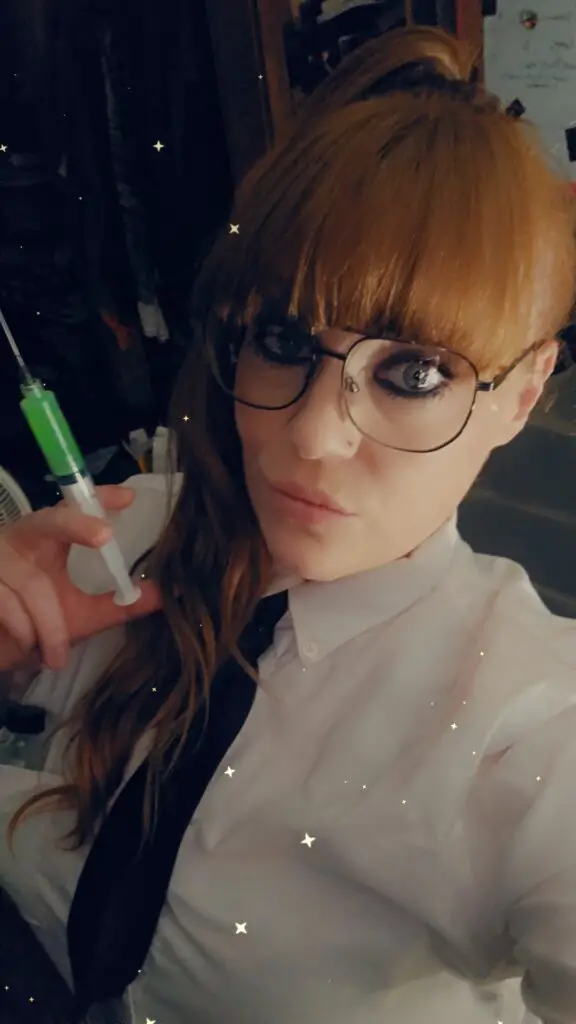
I currently live in Vermont, the state I was raised in, and I have a beautiful daughter named Hemera. I work full-time as the lead teacher of an infant room at a childcare center. Hobbies of mine are photography and cosplay (both me and my daughter). My signature cosplay is Herbert West (Re-Animator is my favorite movie) but I also cosplay as Tiffany Valentine, Quint from Jaws, Frank-n-Furter, Freddy, and soon I hope to show off my Kelly Meeker (from Halloween 4) cosplay I have been working on.
I am the host of Sinnful Sarah’s Horror Menagerie. A podcast where I dive deep, a psychological analysis to horror movies. I truly believe there is more to horror than what’s on the surface. Once you peel back those layers, there’s so much more going on. Horror is relatable. I believe that “horror is healing,” and can help many of us through various traumas and whatever life throws at us (it has helped me many times). I also believe that because there are so many subgenres within horror that everyone can enjoy the horror genre. They just have to find the subgenre that fits them. My personal favorite subgenre? Slasher flick. Give me a good ‘ol ’80s slasher any day.
I have an AA in Liberal Studies and Early Childhood Education and I graduated May of 2025 with a BA in Psychology. My goal is to pursue a Masters in the Psychology of Horror Movies. I want to teach at a University or film school. I want to educate people on the horror genre and show them that’s there more to these movies than just monsters, masked killers, gory kills, and final girls. Horror is healing, touches on Psychology and mental health issues, are social commentaries, reflect the fears of society (especially in the decade they were made in), are relatable, and most of all that horror is healing.
You can follow Sarah on X (the platform formally known as Twitter) at @SinnfulM and @Sinnful_redhead.

