

970x125
We can get stuck in our thinking. Even if we’ve developed strong habits for focus and productivity, it can feel as if familiar grooves get ingrained in our brains. We can return to the same solutions and even the same teammates for perspective.
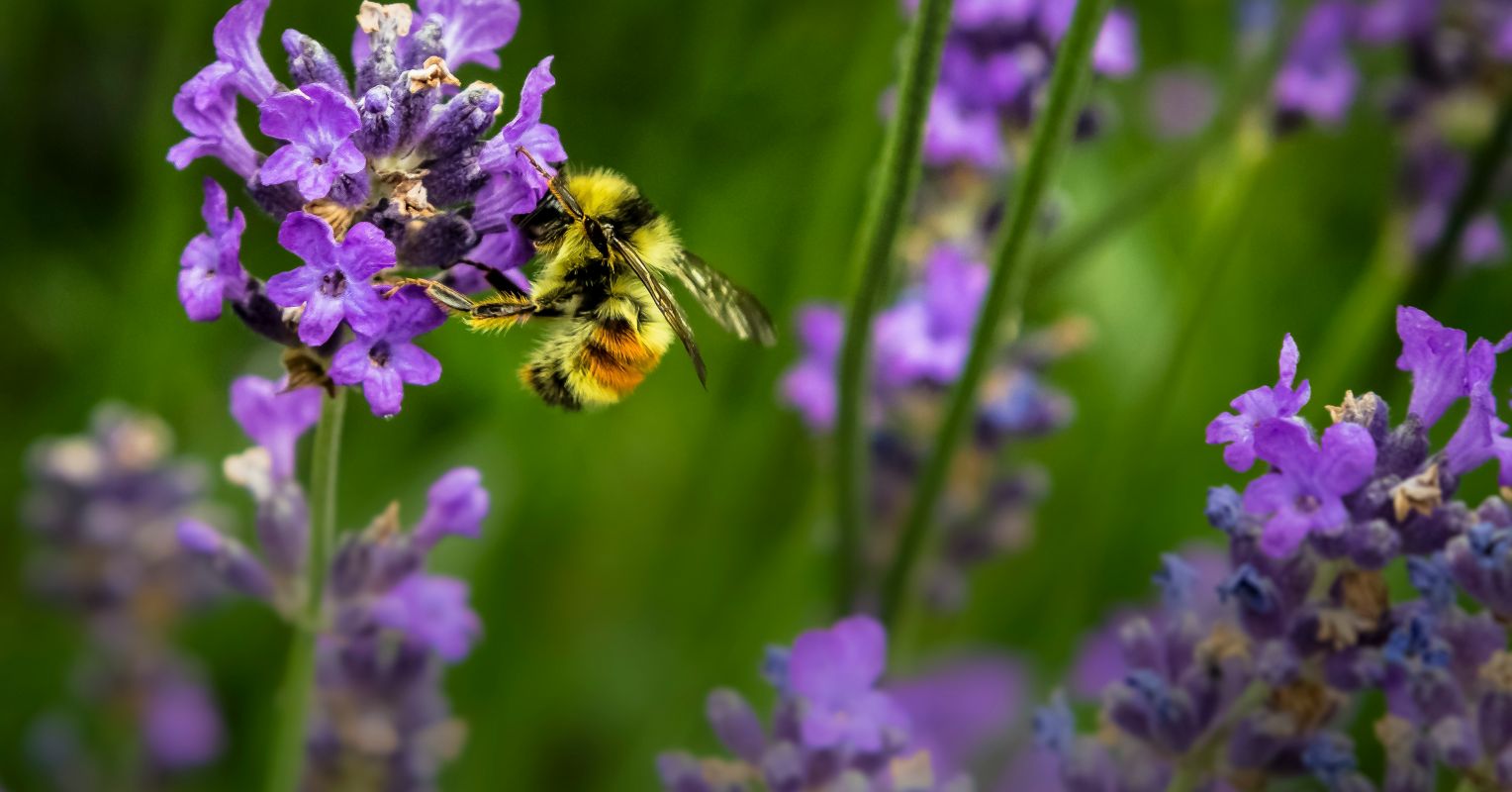
One way to get unstuck is to expose ourselves to new ways of thinking and new collaborators through cross-pollination.
Clarence Birdseye discovered this more than 100 years ago. He traveled among the Canadian Inuit in 1915 to trade fur. He returned with a revolutionary way to freeze fish. He noticed that his Inuit guides instantly deep-froze their freshly caught fish in -40°C water, and the fish retained its texture after thawing. He translated that observation from one culture into an entirely different context by inventing the quick-freezing process. Frozen food would never be the same.(1)
Birdseye became, in essence, what IDEO cofounder Tom Kelley calls a cross-pollinator: someone who “can create something new and better through the unexpected juxtaposition of seemingly unrelated ideas or concepts.”
Cross-pollination is a psychological strategy for interrupting stale thinking.
Cross-Pollination and Busting Biases
Creative cross-pollination is a varied process in which two or more people from different backgrounds, disciplines, or/and industries collaborate or share ideas on a common challenge.
In psychology, cross-pollination disrupts a couple of common cognitive biases. You might notice how often you keep returning to the same assumptions. Psychologists call this familiarity bias. Familiarity bias, as its name implies, points to the fact that most of us choose what has become familiar. We take the same route to work. We solve problems the same way. Needless to say, if we don’t occasionally trip this wiring, we can miss key opportunities and limit our lives’ and works’ psychological richness.
The other bias at play is mental set, sometimes called the Einstellung effect. If you’ve successfully solved a previous problem one way, then your mental set will try to solve a different problem the same way. Such a natural bias can blind you to a better, unfamiliar solution.
But cross-pollination helps people break out of stale thinking by bringing together different people, fields, and conditions.
I have consulted with teams on ways to create conditions for more cross-pollination, but let’s consider other ways to cross-pollinate.
Conditions for Cross-Pollination
In the masterminds and inner circles I’ve formed over the years, I have been keen to convene diverse people who can “play well” together under certain conditions. Participants often call it “alchemy.” It turns out the conditions might matter as much as the people. A recent 2025 study on collaborative civic design (Alexiou et al., 2025) found that productive cross-sector collaboration depended on several conditions. The key five conditions relevant here are experimentation, reflection, inclusion, trust, and relationships that developed over time.
Although the study focused on civic innovation, those same conditions describe many of the healthiest teams, advisory groups, classrooms, and masterminds I’ve worked with. Creative people need environments where diverse perspectives can be exchanged honestly enough to change one another.
A 2024 interdisciplinary project (Puntawe et al.) reached a similar conclusion but from another perspective. Artists, environmental educators, and well-being practitioners described richer learning, stronger relationships, and greater well-being when they intentionally worked across disciplinary boundaries. The project suggests that cross-pollination changes not only what we think, but also how we relate to one another.
Cross-Pollination Practices
Here are three cross-pollination practices you can try out and take back to your collaborators, advisors, or teams:
First, pollinate your inputs.
Start by expanding what you expose yourself to. Read outside your field. Attend a conference outside your industry. Follow one serious curiosity about a subject new to you with no immediate practical payoff. Cross-pollination begins with the willingness to receive ideas before evaluating them. Openness is a facet of wonder, and it is a practice of temporarily suspending certainty.
Second, pollinate your conversations.
Broaden your conversations. Seek people who think differently, not simply people who agree with you. Ask more open-ended questions that don’t have easy answers. Stay with uncertainty a little longer before rushing toward conclusions.
In an MBA class I taught, I shared with future strategists that radical curiosity is a discipline of caring about a problem long enough to keep exploring the best options before quickly settling on a solution. Cross-pollination depends on that kind of curiosity, another proactive facet of wonder that questions the status quo.
Imagine a lawyer and a leadership coach pairing off to cross-pollinate on respective business challenges. It turns out that the lawyer who says, “Well, this is how we handle that challenge in the field of law” can spark a novel insight in the leadership coach that might prompt a cross-industry translation.
If you work with a business advisor or coach, seek someone with an eclectic background who won’t silo you and your situation.
Third, grow a cross-pollination circle.
Cultivate a circle that values thoughtful, diverse viewpoints. Over the years I’ve become convinced that the greatest value of a long-term mastermind is not only accountability. It’s more the sustained cross-pollination. Members gradually learn enough about one another to translate insights across professions. A musician reframes a leadership challenge. An educator unlocks a business problem. Those exchanges only happen when people trust one another enough to offer ideas generously and receive them with care.
A well-held group can become a living ecosystem and cross-pollination chamber characterized by psychological safety, belonging, and bravery.
Some of us spend our middle decades refining our expertise. But maybe the next breakthrough stems from allowing our thinking to be influenced in part by someone we never expected. We are such wondrous, diverse creatures. Why not avail ourselves to such a cognitive ecosystem upon occasion?
(1) The story of Birdseye was originally inspired by a similar story told in The Ten Faces of Innovation.

