

970x125
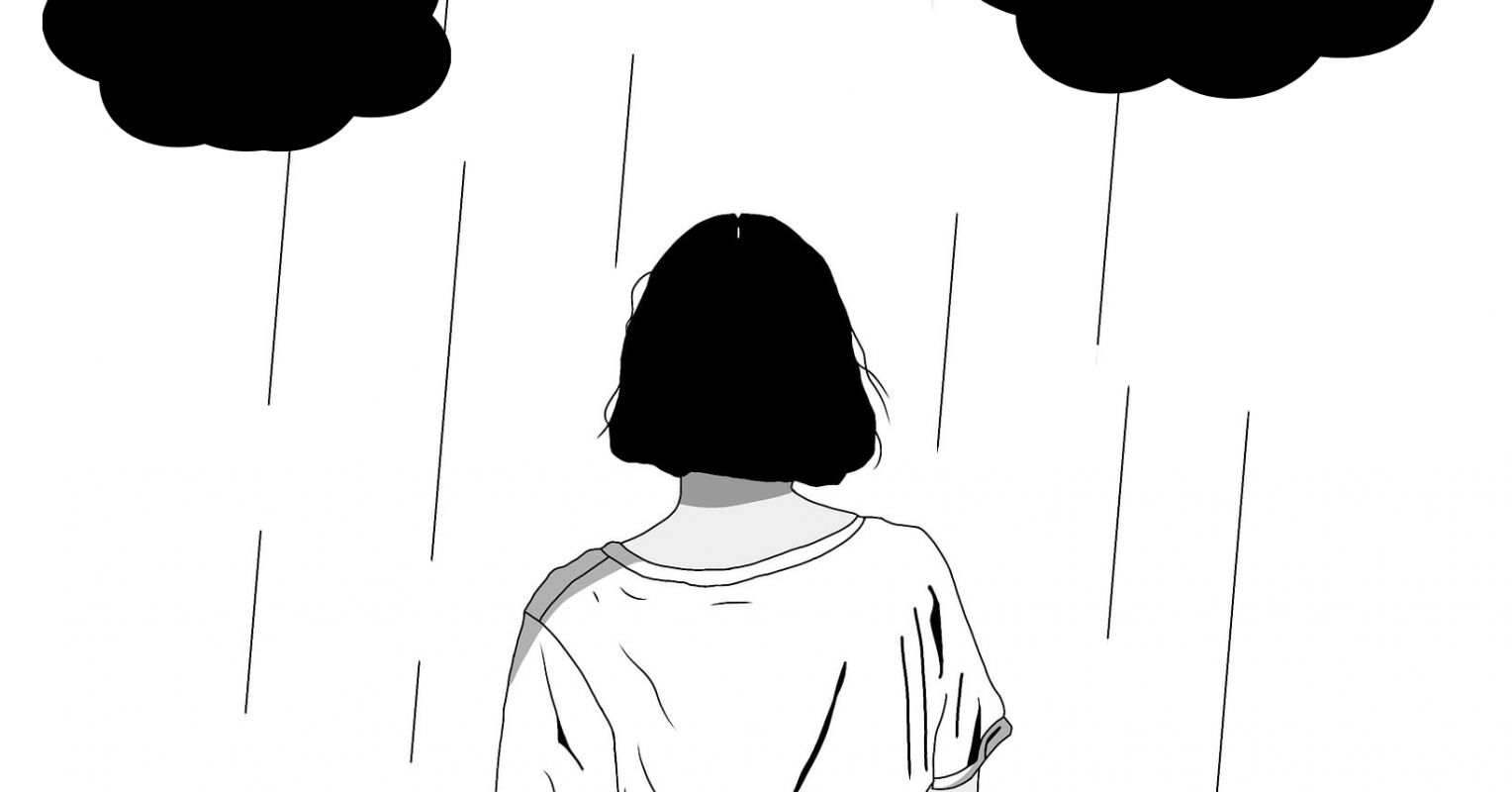
Suffering is hard enough to deal with, but not knowing why you’re suffering is even harder. Depression can feel like an unpredictable storm of hopelessness, but just like the weather, there are patterns that shape when and why your depression comes. There are three major categories of triggers that can cause you to feel depressed: your body, your environment, and your expectations of the future. It’s important to understand all three so that you can best prevent future depressive episodes.
1. Your Body
According to the World Health Organization, chronic illness is the number-one risk factor for becoming depressed. This is because depression and being sick share an important trait: They cause your body to have an immune system response. Depressed people tend to have more inflammation, lower levels of iron, and a slightly higher body temperature than people who aren’t depressed.
There are hundreds of research studies examining this mind-body connection (like this one), but the important part for you to know is that when something negatively impacts your body, it can negatively impact your mind. If your body is sick, chronically malnourished, or routinely sleep-deprived, then your chances of feeling depressed increase. Longer-term stressors like postpartum health issues or autoimmune disorders make depression even more likely.
Your genetics play a large role in what chronic diseases you might inherit. They also significantly impact your depression, accounting for approximately 60 percent of the reason you may develop depression. The other 40 percent are part of the next two causes of depression.
2. Your Environment
The second cause of depression is your environment. That can be your physical environment or your social environment. If you live next to a chemical waste plant, your chances of depression increase (see the previous paragraph). Being around a toxic place can impact you just as much as being around toxic people.
If you’re surrounded by people who bully you, abuse you, or consistently make you feel ashamed, your chances of being depressed increase. This is true of one-on-one interactions, but it’s also true for more macro interactions. Being a minority and living in poverty are more likely to cause depression, too, due to the way people around you are treating you or because of the way you know society perceives you.
Your body can’t always tell the difference between psychological and physical stressors, so negative interpersonal experiences also trigger an immune system response. You have felt this connection before. When you hear bad news about a friend and feel sick to your stomach. When your relationship ends, and you feel heartbroken. Or when you feel the lethargy that comes with grief. These are factors in your psychological environment that impact how you feel. The worse the situation, and the longer it continues, the more likely it is to cause depression.
3. The Future and Your Expectations
The third cause of depression is your future and your expectations of your future. You could be completely healthy, live in a beautiful place, and have a life full of great relationships, but if you’re getting sentenced to 20 years in prison tomorrow, your chances of being depressed are high. It doesn’t even have to be that extreme. If the general trajectory of your life feels like it’s going downward, you can strip away joy from any moment and become depressed. If you get promoted but you’re worried you’ll get overwhelmed by your responsibilities and disappoint everyone, you can start to feel depressed. If you finally found a great partner, but you’re constantly nervous that they’ll stop liking you, cheat on you, leave you, or die, then this great relationship can inadvertently become a cause of your depression. These are somewhat easier predictions to manage—the assumption that your life might go from good to bad. It can be harder to stop your mind from worrying when your life goes from bad to worse.
If you lose your job and get dumped in the same week, then it’s easy to see why you would become depressed. It might even seem logical to expect some other bad thing to happen. That’s how the expression goes: When it rains, it pours. But sometimes, it only rains an inch. It’s important to remember that your predictions are just guesses until the future happens. Your future should be innocent until proven guilty. Trying to protect yourself from being hurt by assuming something bad will happen might sound like a logical idea, but your attempts at predicting tomorrow may be causing your depression today.
Fortunately, most things in life follow a pattern. When you learned about how water cycles through the world, with that classic school infographic, you grasped an extremely complex concept that you can now explain to a toddler if you wanted to. Now that you know the three major causes of depression, you can take the mystery away from how and when your depressive episodes occur and tell other people. Depression can no longer catch you by surprise, and you can start to figure out what causes depression for you and share that pattern.
Depression Essential Reads
While all three causes can interact with each other, it will become easier to understand over time if your depression tends to happen after you get sick, after you interact with certain people or places, or after you spend a lot of time alone thinking about what might happen in your future. Simply live your life and then look back to see which cause matches your life best.

