

970x125
Mor Cohen and Polaris Banks made a film about their real relationship. It opens the way you might expect a film about a real relationship to open, which is to say: uncomfortably.
The film opens on a man masturbating onto his wife’s chest while the two of them sit in a river. This is not a metaphor. Or rather, it is very much a metaphor, but it is also literally happening on screen. He keeps asking her to take her yop off. She doesn’t want to. He keeps asking anyway, because that is what this man does with every limit he runs into, he treats it as a negotiation he is already winning.
This is how And Her Body Was Never Found introduces itself at SXSW 2026. Buckle up.
Two Bodies in the Frame
After the river, the cinematography immediately tells you where you stand. We see the back of her head in close-up, frame-filling, a wall of hair and refusal. He is in the far distance behind her, trying to to keep up. She is not waiting. You read the entire relationship before anyone opens their mouth again.
When they do sit down, she offers him a sandwich. It is a peace offering. It is an olive branch. In the context of this relationship, it is a mistake, because he immediately uses the olive branch to restart the argument. If you have ever loved someone profoundly frustrating, this scene will reach through the screen and grab you by the collar in the most empathetic possible way.
The fight spirals the way real fights spiral, not toward a point but away from one. Semantics get weaponized. He gaslights. The argument rolls over everything except the actual subject. She gets to the point where she raises a stick, and honestly, given the last forty-eight hours, a jury of her peers would understand completely. At the campsite that evening, she tells him she is done. The marriage is over.
The next morning, he says everything right. Every single thing. The full lovebombing playbook: the apology that sounds like he finally gets it, the warmth that feels real, the version of him she fell for showing up right on schedule. Anyone who has ever stood at that crossroads recognizes this moment in their bones. The film does not editorialize. It just watches.
The Cliff Scene
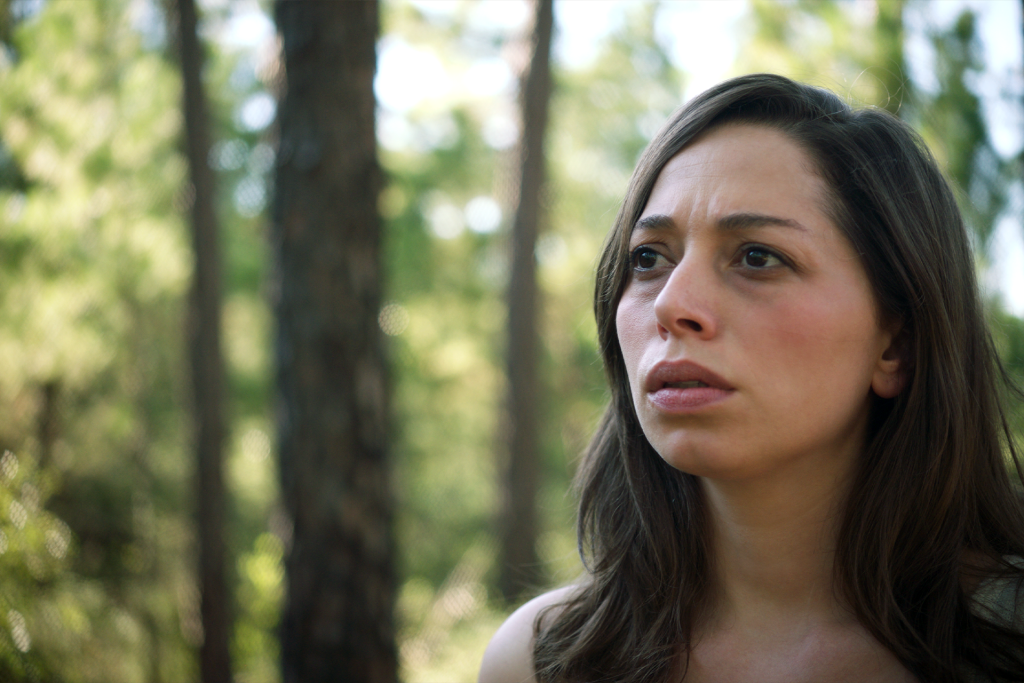
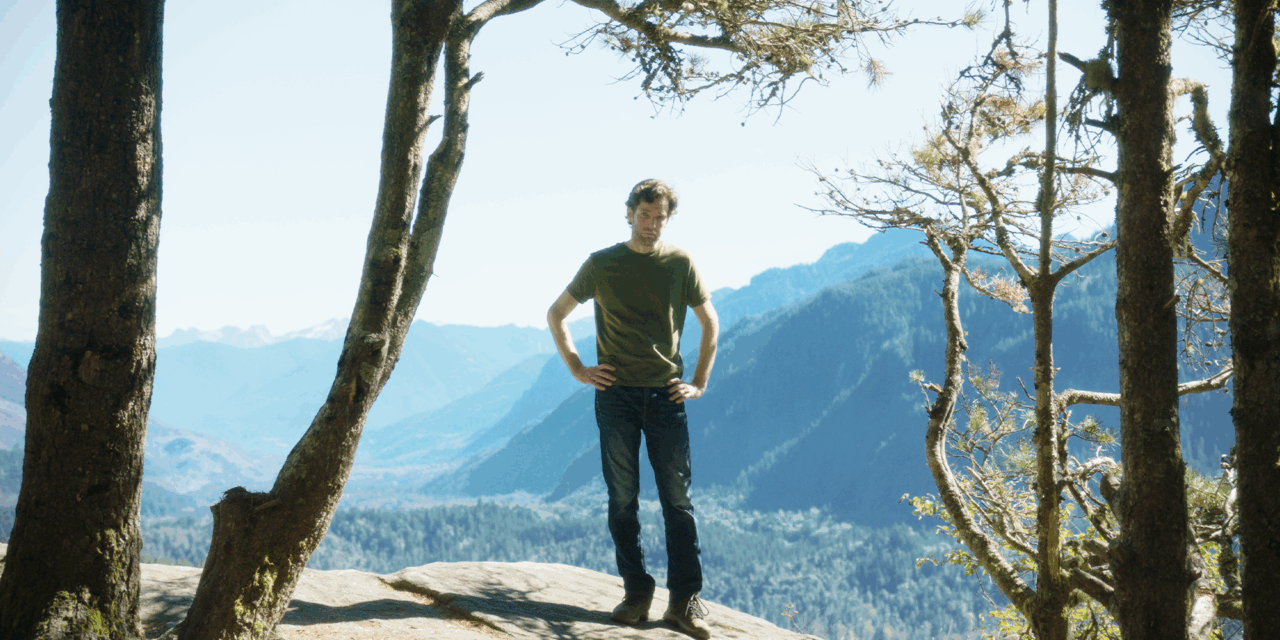
The film’s pivot arrives at a cliff overlook, with something that sounds unmistakably like Wizard of Oz music underneath it. She stands away from the cliff edge, keeping her distance from him. The film makes it clear she is briefly considering how easy it would be to resolve this situation unilaterally. He guilts her onto the ledge through emotional blackmail dressed as a trust exercise.
And then he pushes her.
This is where And Her Body Was Never Found breaks itself open. The take ends. The characters step out. Mor and Polaris are no longer their characters. They are Mor and Polaris, and he is furious about where his hand landed, and she is shaken in a way that does not feel scripted, because it is not scripted, because this part is not the movie anymore. She refuses to continue the scene.
The fourth wall does not just come down here. It gets dismantled and examined.
Blair Witch Country
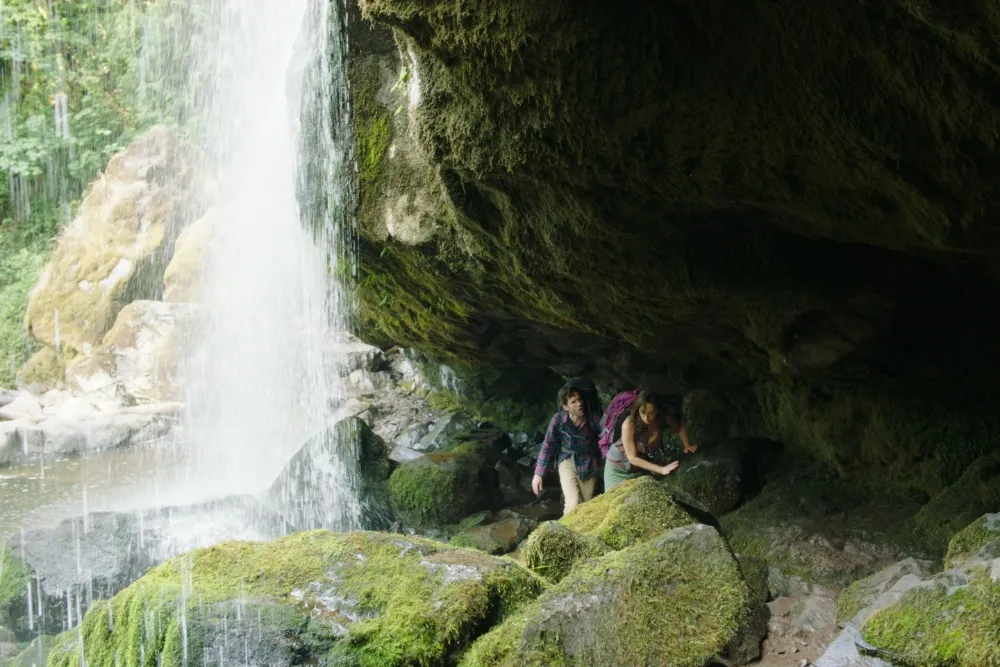
A cut to night. She is in her tent, filming herself on her phone in vertical format. The frame is narrow and confining. The dark outside is absolute. She says out loud that it would be easy to kill her out here and get rid of the body. Nobody would know.
The Blair Witch Project comparison is not subtle and does not need to be. It is being invoked consciously, as a reference point for what it feels like when the camera becomes the only witness. The found footage mode here is not an aesthetic choice so much as evidence collection, and the film is smart about what that implies.
The film’s formal announcement that it is a meta project, two filmmakers making something about their own fights, arrives here. It reconfigures everything that preceded it without invalidating any of it.
Hat on a Hat on a Hat
This is also where the film begins to strain, just slightly. And Her Body Was Never Found has already broken the fourth wall once, then reconstructed it, then broken it again. Characters comment on the layers. The commentary becomes its own layer.
The film ends somewhere past the point where you can usefully track what is cinema and what is meta and what is real. That disorientation is partly the point. It is also, at a certain moment past the film’s last clean beat, a miscalculation.
What Banks and Cohen Got Right
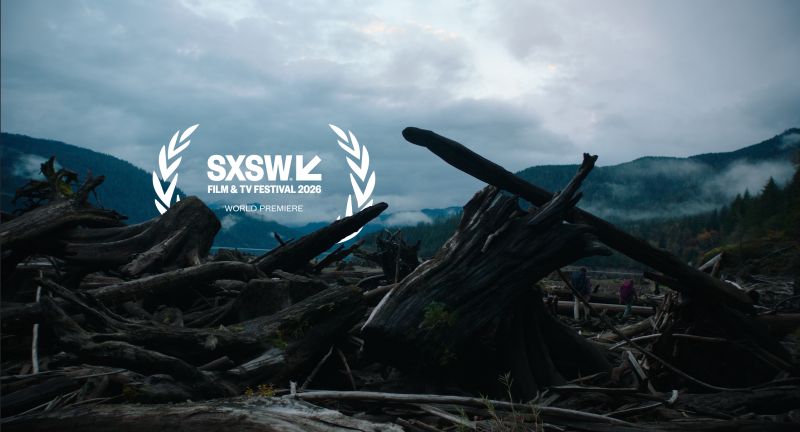
A lot, is the answer. The performance dynamics are precise in a way that indie horror rarely achieves. The cinematography is working on multiple levels simultaneously. The abuse arc is drawn with enough specificity to feel observed rather than constructed, which is not a small thing when both filmmakers are also the subjects.
Polaris Banks and Mor Cohen are making something genuinely new here. Other critics at SXSW noted how cleverly written the film is. That is true. It is also, in places, too clever for its own good, and the film never entirely resolves the tension between those two facts. The overreach at the end does not undo what precedes it. It just means the thing that is most impressive about this project, the willingness to keep pushing the structure past the point of comfort, is also the thing that gets it into trouble in the final ten minutes.
At seventy-five minutes, it is still a tight film that keeps the tension high and earns most of its ambition. The structural risks it takes are real risks, not aesthetic posturing. And the film it is in conversation with, the long tradition of found footage as emotional exposure, is richer for having this in it.

