

970x125
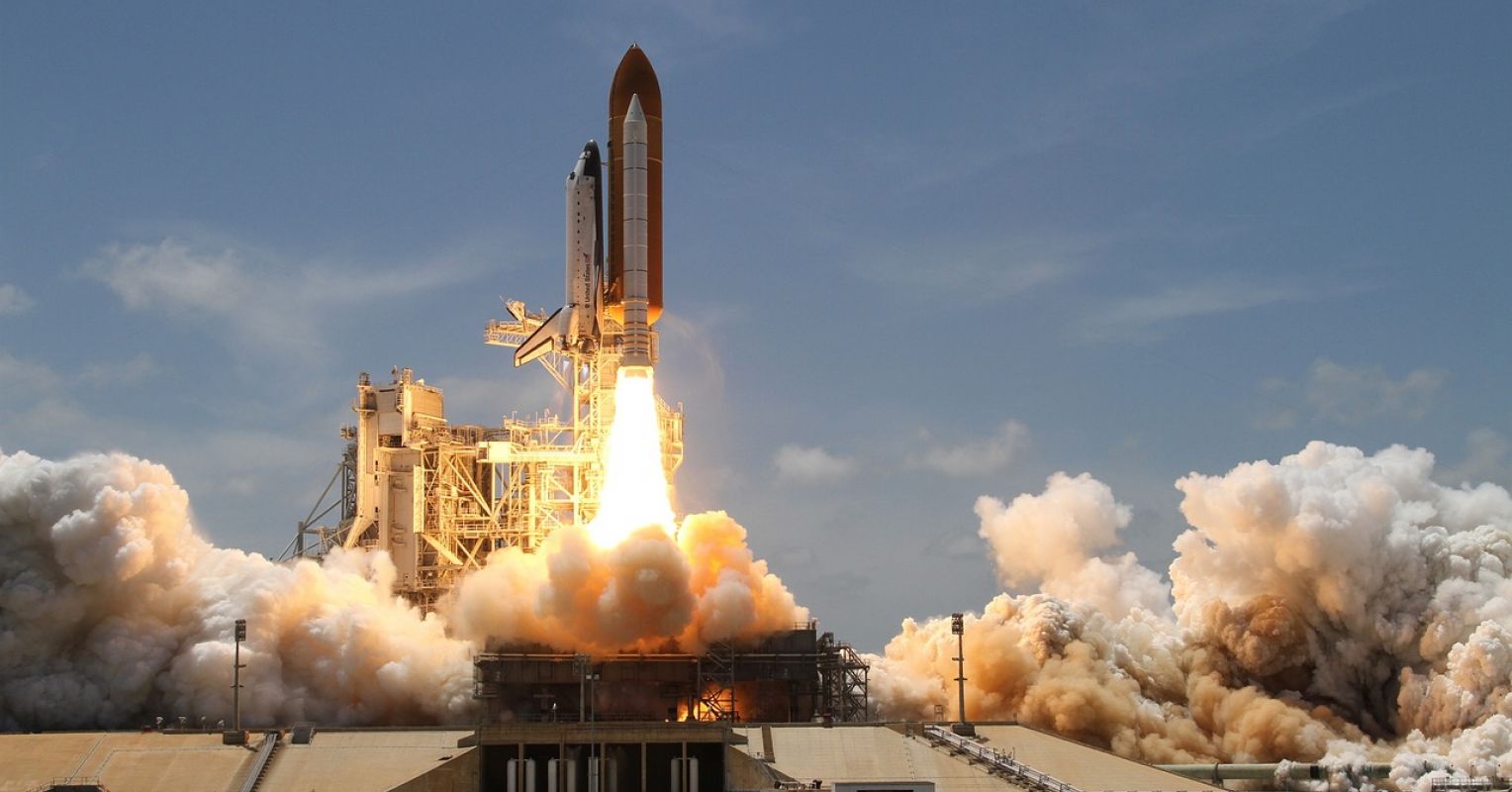
Forty years ago, on January 28, 1986, “exactly 73.621 seconds after liftoff at 11:39 a.m., the space shuttle Challenger exploded, killing all seven persons on board. With the destruction of Challenger, America’s dream for a quick and easy conquest of outer space died. A more obvious casualty of the Challenger disaster, the reputation of the National Aeronautics and Space Administration (NASA) was severely tarnished. NASA’s aura of invincible professionalism was suddenly replaced with an image of bureaucratic bungling and institutional fallibility” (Harrison, 1993, 161). The presidential commission to investigate the disaster (Rogers and colleagues, 1986) concluded that the disaster was brought about by flawed decision-making.
In 2025, the brilliant entrepreneur Jim McCann authored the book Lodestar, which enumerated some of the best self-help practices for an effective and happy life. Here, in this post I take another perspective. From the darkness of tragedy can come revelation. Whether you are a manager, a coach, or someone who wants to make better decisions, here is a decision-making model designed to avoid six common sources of failure revealed from the study of disasters.
Fatal Flaws in Decision-Making
In his 1877 novel, Anna Karenina, Leo Tolstoy wrote: “Happy families are all alike; every unhappy family is unhappy in its own way.” This concept is often called the Karenina Principle. Applied to decision-making, it suggests successful decisions are a result of avoiding a predictable constellation of key mistakes, while poor decisions commonly arise from making any one of those within the constellation.
What are those mistakes that reside within the constellation of failure and create poor decisions? While there are myriad mistakes you can make to sabotage successful decision-making, here are six common recurring themes.
- Under-estimating the risk of failure.
- Under-estimating the consequences of failure.
- Prioritizing short-term goals in preference over more strategic long-term goals.
- Confirmation bias, wherein you ignore any advice or information that contradicts your desired conclusion.
- False urgency, wherein you believe action must be taken urgently.
- Waiting too long to make a decision, sometimes called “paralysis by analysis.” The moment of absolute certainty may never be upon you, and the opportunity will be lost by waiting too long.
The Challenger Decisions
According to the Rogers Commission and the Feynman Appendix, the NASA decision-makers fell prey to five of the six mistakes enumerated above:
1) disregarded the risks over-estimating the probability of success
2) disregarded the worst-case scenario (worst-case outcome for a launch)
3) proceeded with the decision according to their own preference for a timely launch (short-term goal), losing sight of the more important goal of progressing safe human space flight (long-term strategic goal)
4) ignored previous contractor warnings against launch after cold weather, which were at odds with their preferred outcome of launch
5) fell prey to “imperious urgency,” which dismissed the viable option of delaying the launch to a more favorable time
Lessons from the Challenger Disaster
How can you improve your own decision-making? Or, if you are a coach or a manager, what should you teach those you supervise about decision-making? There exist many models for effective decision-making and problem-solving, but this is the first decision-making model, based upon the study of disasters, which helps you recognize how to avoid six common mistakes that can cause you to snatch defeat from the jaws of victory in the blink of an eye.
- Under-estimating the risk of failure. Always do a realistic assessment of the likelihood of failure.
- Under-estimating the consequences of failure. Consider the “worst-case” scenario and the law of unintended consequences (there will always be unintended consequences).
- Prioritizing short-term goals in preference over more strategic long-term goals. Always keep the long-term goal in mind when making short-term tactical decisions. “Never take your eye off the ball.”
- Confirmation bias, wherein you ignore any advice or information that contradicts your desired conclusion. Seek out contrary opinions.
- False urgency, wherein you believe action must be taken urgently. Most decisions in life can be delayed. When in doubt, consider delaying, especially any life-changing decisions.
- Waiting too long to make a decision. The moment of absolute certainty may never be upon you, and thus, the opportunity will be lost. While delay can be effective to avoid false urgency, some decisions really do need to be made and on time. The moment of absolute certainty is often an illusion; it never comes.
© 2026 George S. Everly, Jr., PhD

