

970x125
The Egg Era
Somewhere around 11 or 12 years of age, a tween undergoes a small but notable behavioral shift. When talking to parents, I often refer to this developmental stage as the “egg era,” i.e. “It would be so much easier if I just came from an egg rather than parents whose existence is so incredibly embarrassing.” Out in public, formerly neutral experiences, such as shopping for clothes with a parent, are now excruciatingly uncomfortable.
The teen ducking behind the coat rack: “What if someone from school sees me picking out a new winter jacket with my mother? Will they think I don’t have any friends? That the only person I have available to shop with is a parent?”
The child’s reaction is not personal. Starting around this age, there is often an increasing yearning for more autonomy without a sense of how to achieve it. Parents may feel a sense of whiplash as the tween both needs and rejects a parent’s support, often within the same hour. Understanding the developmental underpinnings of the behavior can help a parent navigate through the encroaching adolescent push/pull.
The Push Away: The Need for More Autonomy
The middle schooler often yearns for more space and independence to separate themselves from both their parents and their former elementary school self.
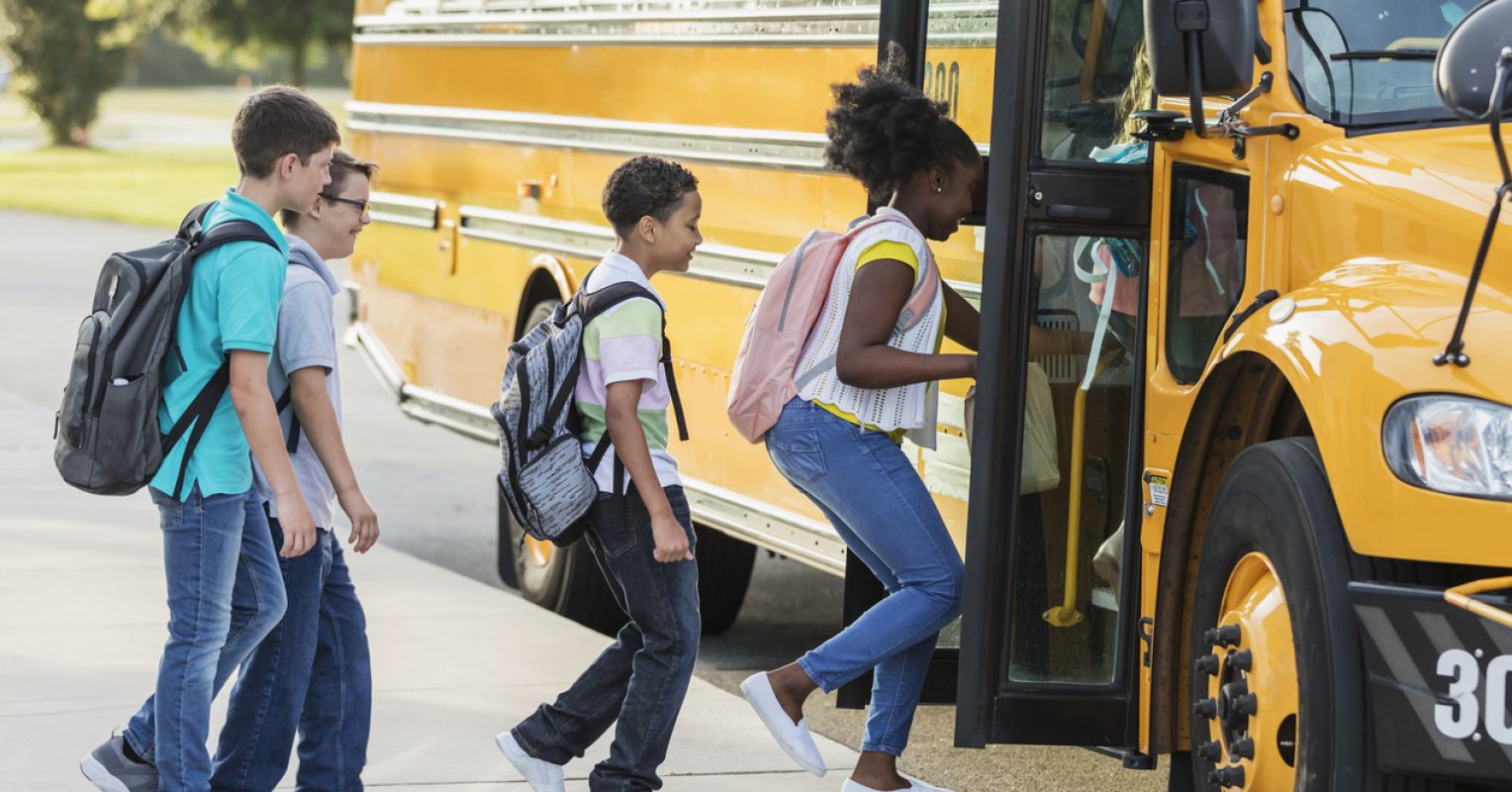
During this developmental chapter, it is useful for parents to take a step back, allowing the child opportunities to discard their “baby ways.” For instance, if it is possible and safe for a child to walk or take the bus to school, the tween will feel more independent and resourceful if they can navigate to school independently. For many families, it is necessary for the child to take the school bus for the parents to get to work on time, but for a variety of reasons, some parents may continue to drive their tween to school.
There may be a worry that the child won’t make the bus on time, and while this may be a consideration for some children with significant special needs, I am always amazed by how most middle schoolers will rush to board the bus on time if another option isn’t available.
Parents may also be reluctant to give up the extra car time together as their child moves toward adolescence. It is useful to rethink the bus as an age-appropriate task to be mastered. Taking the bus may not always be fun, and it may be uncomfortable, but it builds confidence. Kids in middle school don’t hesitate to complain about the bus or share an adventure that occurred on the ride to/from school; sharing the details of their independent commute is a flex. Teenage snarkiness may even decrease if the parent requires the child to have more autonomy; with more personal agency, there may be less of a need to verbally push off against a parent.
Organized social activities provide another option for an independent experience. With a sports team, a religious youth group, a musical group, a debate team or an after-school club or activity, the middle schooler has an opportunity to be with their peers outside of school, without organizing the get-together and risking rejection with an invite.
My mentor in medical school, Dr. Lynn Ponton, wrote the book The Romance of Risk, outlining the normal adolescent urge to take risks, and how useful it is to direct teens toward healthy risk-taking. Additional activities that may feed the need for discovery and freedom could include dropping the child off at a mall, directing them to their local librarian to obtain a library card, which they can then use independently, or having them take public transportation alone or with a friend to a desired destination. Even if a child travels with a phone, they are out in the world, rather than diving into their internet universe. Scrolling and watching other people live their lives and have adventures does not help a tween create a sense of competence. Exploring the world does.
The Pull In: Sometimes Being at Home Is the Best Choice
While the tween’s need for social independence and expanding autonomy increases, it may be confusing to parents if the child also spends more time at home and less time socializing outside of organized activities. Actually, this mix of behaviors is quite common.
During elementary school, a parent may help organize playdates and facilitate the child’s social life. While the middle schooler may find the term “playdate” humiliating and babyish, making one’s own social plans can feel intimidating if there is any chance of rejection. The result: the child who doesn’t want to spend time with the family in public may also hang around the house, ready to socialize together on weekends.
To parents, I describe this stage as “cocooning” because there is lots of growth and change happening just under the surface. A large fraction of middle schoolers have infrequent social plans for a few years, and are happy to spend time with the family as long as it is within the walls of the home. Parents in my office sometimes worry about their child’s lack of social life. I explain that this increased time at home is usually temporary. As one mother wisely described to me, “I have become my daughter’s best backup choice.” Shared family shows, cooking projects, or game nights create special memories. These opportunities to hang out together on weekends are time-limited; by high school, the teenager is generally less available for family time.
This is the tightrope of the middle school years: believing in your child’s resourcefulness to navigate the world more independently while being open to unexpected social time together within the confines of the home. The push off and pull in will foster confidence and agency while providing an emotional anchor during this complex developmental chapter.

