

970x125
The traditional museum experience, pausing in front of an object, and absorbing its history visually or by reading its description, has long shaped how collectors and others relate to cultural treasures. Yet, over the last few decades, digital technology has quietly rewritten many of those rules, changing not only how collections are exhibited but also how they are documented, preserved, and even inherited. Virtual museums, including fully online projects such as the Kremer Collection, now offer an alternative way to share and safeguard art and collectibles without relying on conventional brick-and-mortar buildings.
An Alternative to the Traditional
A virtual museum is a digital space that borrows the core functions of a physical museum, organizing, presenting, and interpreting objects, but relocating them to a screen. Instead of rooms and display cases, it relies on web pages, images, video, and sometimes immersive 3D environments to structure the observer’s experience. Some of these projects are housed at current institutions, while others exist only online and have no physical galleries.
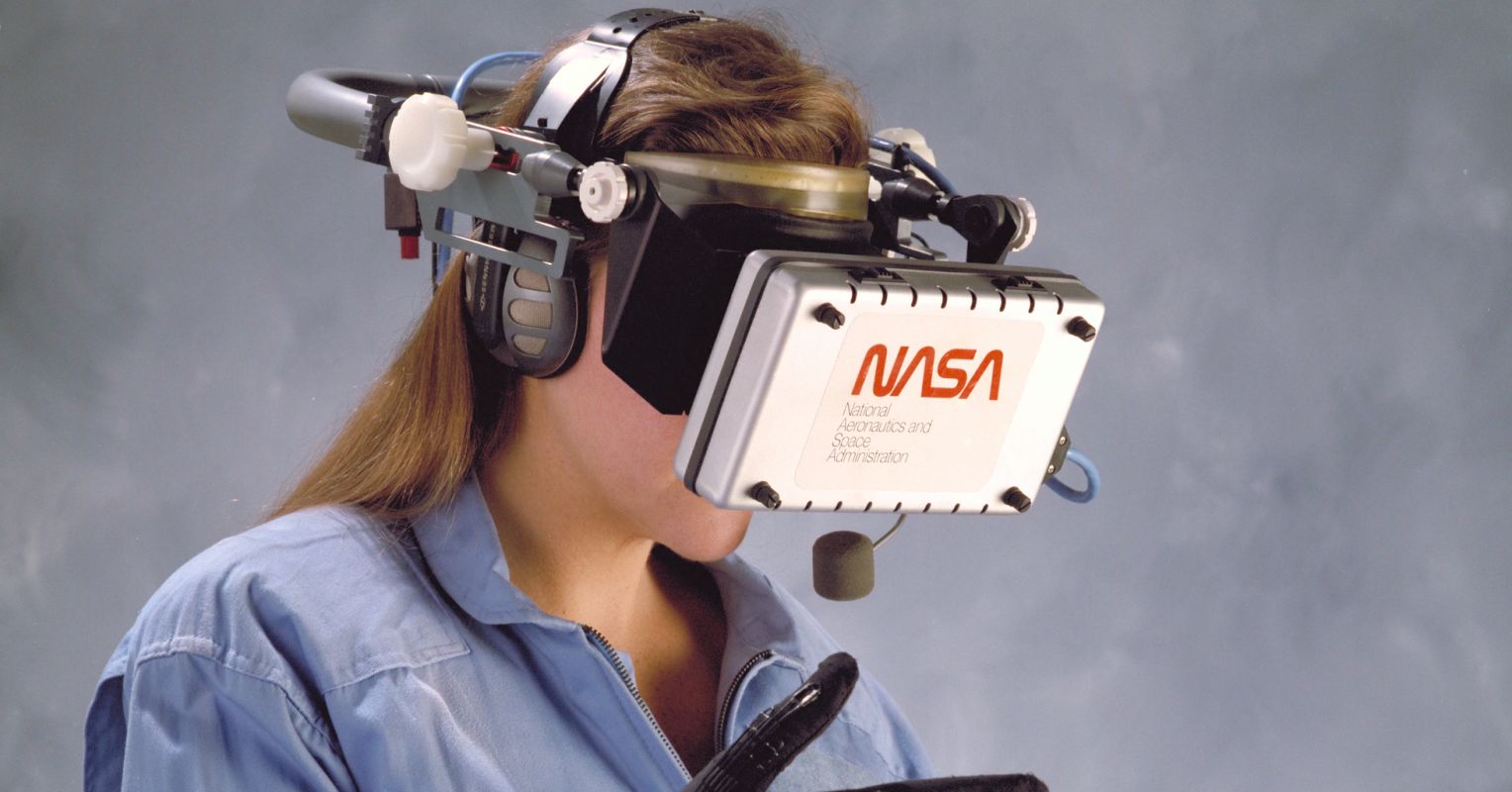
The range of formats is broad. At one end are simple online collection pages that resemble illustrated catalogs, offering photographs, basic descriptions, and sometimes short essays. At the other end are more ambitious virtual environments where visitors can “walk” through digital galleries, rotate objects in three dimensions, or zoom so closely that surface details become visible in a way they never could in a traditional museum. The Kremer Collection falls into this latter category, presenting Dutch and Flemish paintings exclusively through virtual reality headsets rather than traditional wall displays.
Despite differences in the objects presented (for example, paintings versus porcelain), these projects share a common goal: making cultural material more widely available while preserving a sense of order and context. In doing so, they echo the missions of traditional museums but adapt them to a medium that favors hyperlinks, search functions, and layered, on-demand information rather than a fixed route through a set of rooms.
Why Virtual Museums Appeal
For many people, the most obvious advantage of a virtual museum is simple access. A collector or student no longer has to travel to another country, or even across town, to study a particular painting, ceramic form, or coin type. Someone living in a rural area or with limited mobility can explore collections that would otherwise remain abstract names in a book or citations in an article. That broader reach subtly shifts who can participate in conversations about art and material culture.
Cost is another factor that matters, especially for private collectors or small organizations. Maintaining a climate-controlled, secure building is expensive, considering staff, insurance, and ongoing maintenance. A virtual museum, while hardly free to produce or host, can offer a professional-looking platform with far less overhead. The Kremer Collection is a useful illustration of this: It presents a focused group of 17th-century works at a high visual standard without ever paying for a public gallery space.
Virtual exhibitions also give curators and collectors greater flexibility than physical objects do. Rearranging a digital gallery can be as simple as reordering images and rewriting labels, with no risk of dropping a porcelain vase or scratching a frame. It becomes feasible to offer multiple thematic tours through the same group of objects or to present experimental pairings that might not justify a full-scale installation in a building. For visitors, interactive tools such as deep zoom, alternate lighting views, or 3D rotation can turn what might have been a quick glance into a more investigative kind of looking.
Preservation also plays into this appeal. High-resolution photography and 3D scanning cannot replace the original, but they do create a detailed record that outlives a flood, an accident in shipping, or a gradual fading of pigments. For fragile items that cannot withstand repeated handling or exposure to bright light, digital surrogates allow them to be shared with the public while keeping the originals in safer conditions. In that sense, a virtual museum can function as a kind of insurance policy for both institutions and private owners.

