

970x125
When a death occurs in a sport environment, particularly a death by suicide, its impact can ripple through entire organizations. Athletes, coaches, and sport staff, including those tasked with supporting organizations through crises (e.g., sport psychologists, athletic counselors), often experience collective waves of shock, grief, and unanswered questions.
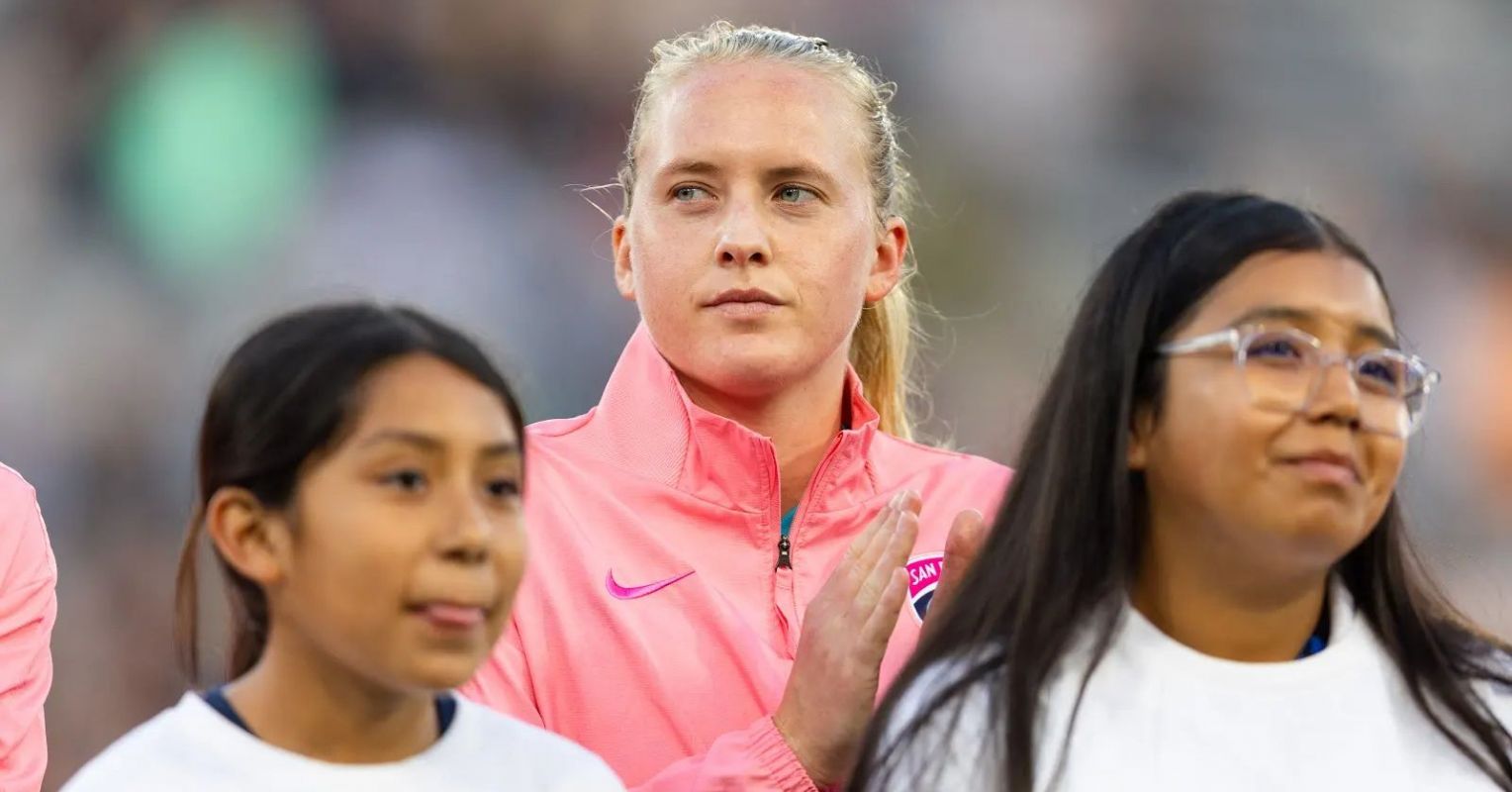
This reality was central to a recent conversation with professional soccer player for RC Strasbourg Sierra Enge and adolescent mental health and suicide expert Dr. Kimberly O’Brien. Together, Sierra and Dr. O’Brien bring both lived and professional experience to the intersection of grief, suicide prevention, and athlete mental health. Throughout our discussion, their perspectives underscored a critical truth: we still do not fully understand the weight or complexity of grief and loss within sport environments, especially when that loss is due to suicide.
Athlete Identity and the Pressure to Perform
For many athletes, sport is not just something they do. Over time, it becomes central to who they are. Sierra described growing up excelling in soccer and receiving external reinforcement that her value was directly tied to performance. Social media, increased visibility, and constant evaluation intensified this dynamic over time. She continues to navigate these same pressures as a professional athlete today.
When performance declines, injury occurs, or life circumstances disrupt sport participation, many athletes experience a significant rupture in identity. In these moments, the internal message can quickly become, “If I am not performing, I am not valuable.” This belief can fuel social and emotional challenges, including anxiety, withdrawal from sport, and social isolation.
With time, peer and professional support, and meaningful shifts in perspective, Sierra learned that she functions best when she invests in multiple parts of herself, not solely soccer. While she continues to train intensely and care deeply about her sport, the difference is that performance alone no longer determines her self-worth.
Dr. O’Brien observes this same pattern in her work with athletes across the lifespan, particularly adolescents and young adults. She emphasized that overidentification with sport can limit coping flexibility when adversity hits. To support both mental health and long-term performance, athletes need identities that extend beyond their role on the field.
Why Today’s Athletes Are Carrying More
Athletes today are navigating higher stakes and broader demands than many prior generations. Dr. O’Brien emphasized the convergence of academic and athletic pressures, while Sierra highlighted the growing expectations tied to NIL deals, public scrutiny, and constant social media comparison.
A recent systematic review examining suicide risk among college student-athletes identified several contributors, including the convergence of academic and athletic pressures, toxic or psychologically unsafe team cultures, barriers to accessing confidential mental health services, identity foreclosure tied to sport, and injury-related stressors (Anton-Lotruglio & O’Brien, 2025). These factors accumulate over time, increasing vulnerability when coping resources are already strained.
Evidence suggests that this stress exposure begins well before college. One study of high school athletes revealed that 91% reported experiencing sport-related stress, with 27% endorsing moderate to extreme levels of stress associated with athletic participation (Ward et al., 2023). This chronic stress becomes normalized long before youth athletes enter elite or collegiate sport environments.
Remembering Katie Meyer
The reality of grief in sport is best understood through the experiences of those most closely impacted. Sierra and Katie Meyer were best friends, teammates, and co-captains at Stanford University. Katie’s death by suicide in 2022 shook the college sport world and brought renewed attention to athlete mental health.
When I asked Sierra what she would say to Katie now, her message was simple and urgent: tell someone. Make one call. Hold on a little longer. Even one trusted person can change the trajectory of a life.
At the same time, Sierra acknowledged how difficult this can be for student-athletes who are taught to be tough from a young age. “It’s not going to be an easy road,” she shared, “but if you open up to one person, maybe they can walk with you.”
Sierra speaks openly about her own mental health and her use of therapy, encouraging others to do the same. She reflected that while she had developed many independent coping skills over the years, she came to recognize how essential asking for help became as she worked through the loss of Katie.
Dr. O’Brien emphasized that suicidal crises distort perception. Emotional pain overwhelms the brain’s ability to generate alternatives. In moments of extreme distress, suicide can feel like the only option, not because others do not exist, but because the brain under intense stress cannot access them. This is why both Dr. O’Brien and Sierra emphasize the importance of social connection and accessing support before distress reaches a critical point.
Both also stress that therapy should not be a last resort for athletes. Instead, it should be treated as a protective resource. Building a relationship with a mental health professional when life feels stable creates a safety net for when it does not. “It can’t hurt,” Sierra emphasized.
Supporting Teams After Suicide
When a suicide affects a sports team, grief becomes collective, carried through the hallways, fields, and offices of athletic departments. Dr. O’Brien’s work centers on restoring psychological safety so teams and organizations can function, communicate, and ultimately heal.
This includes psychoeducation about suicide-specific grief, facilitating conversations about support needs, and helping teams navigate decisions related to memorials, daily routines, and returning to play. Dr. O’Brien emphasizes that there is no single correct response. Athletes grieve differently, and flexibility within structure is essential.
Sierra echoed this sentiment, noting that returning to structure supported her healing, while pressure to adhere to that structure when more time was needed to process caused long-term harm for one of her teammates.
Both Sierra and Dr. O’Brien emphasized that external consultants are often critical in moments of tragedy, particularly when loss involves suicide. Internal staff and coaches are grieving as well. Outside support offers containment, neutrality, and guidance at times when decision-making feels overwhelming or impossible for those closest to the loss.
Why Institutions Must Prepare in Advance
One of the clearest takeaways from my discussion with Sierra and Dr. O’Brien is that sport systems too often wait until tragedy strikes to develop a response. Suicide response protocols must exist before they are needed, especially when emotional resources are limited and decision-making capacity is compromised.
Effective institutional responses include:
- Clear suicide and crisis response protocols.
- Flexible attendance and training expectations without retaliation.
- Multiple layers of support for athletes, coaches, and staff.
- Centering survivors and respecting varied grief timelines.
Routine with flexibility allows athletes to re-engage at their own pace. “If you can come, come. If you cannot, do not,” stated Sierra.
Carrying Forward What Matters
At the end of our conversation, Sierra reflected on her friend Katie Meyer’s capacity to love deeply and consistently show up for others. Her legacy challenges sport communities to do the same. “Soccer is a sport. It’s not that serious,” Sierra shared. She expressed hope that it will not take another loss for teams to recognize this truth.
Grief and loss will continue to enter sport spaces. The critical question is whether those environments are prepared to meet it with humanity, structure, and care. Mental health support for athletes is not only a performance asset. In moments of profound loss, it is life-saving.

