

970x125
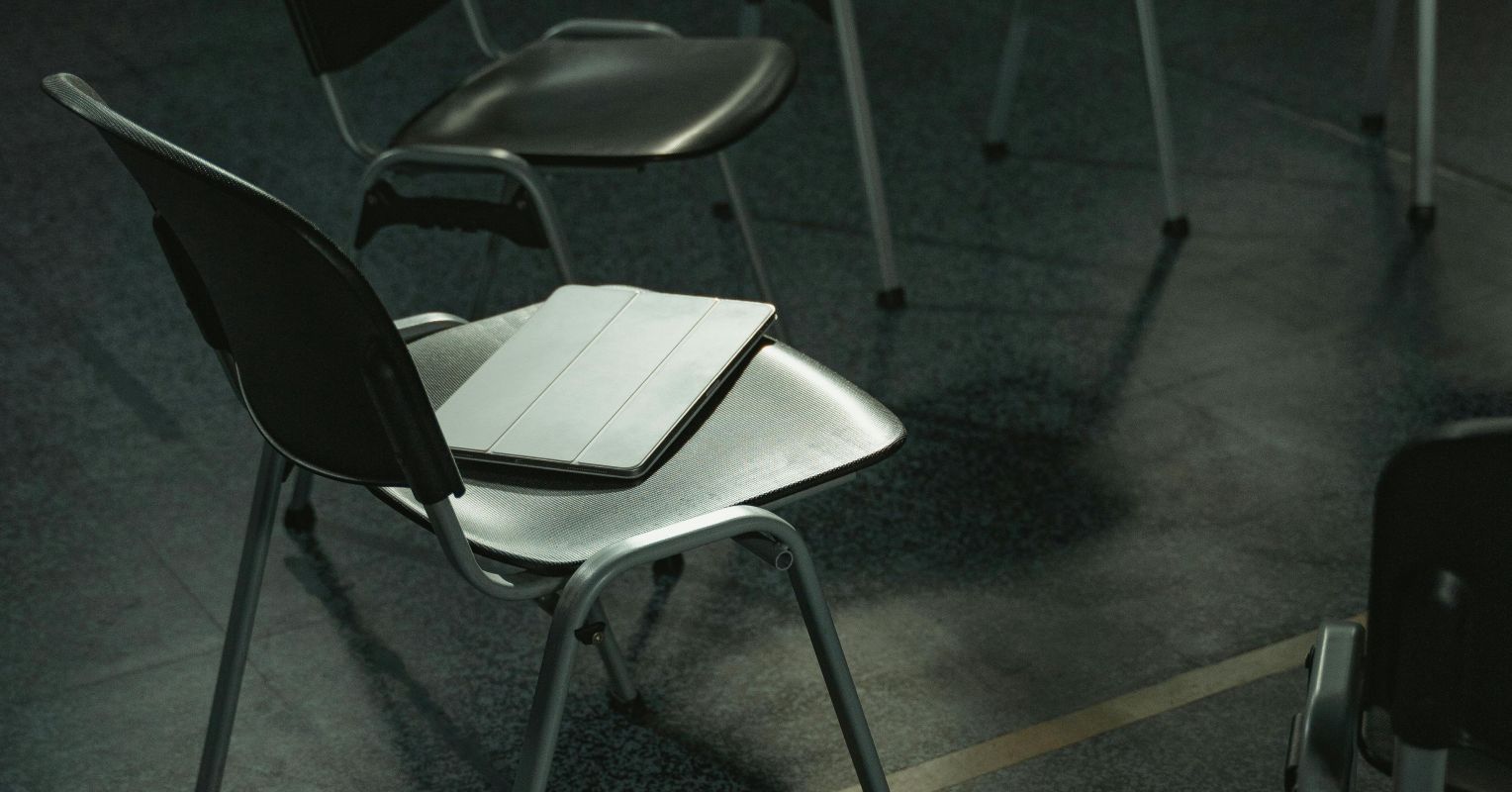
The warning came one day through a calm conversation. I was facilitating restorative justice sessions in Cali, Colombia, working with young men shaped by gang structures that defined loyalty, protection, and survival. We met in a modest building in a neighborhood where people learned early how to read the street. Inside, we sat in a circle on old plastic chairs. For many of them, it was the first time they had been in a room where no one demanded allegiance and no one carried a weapon. We moved slowly, and we listened. Silence had room to breathe, and stories surfaced that had never found a place to land.
Over time, the sessions found their rhythm. The young men arrived guarded, some with their arms crossed, others leaned back, watching the room to see if it felt safe. Initially, they discussed routines and surface-level conflicts. As the weeks passed, voices softened, and pauses grew longer. Stories reached further back. They spoke about brothers who never came home, parents who disappeared, and nights spent awake listening for danger. I can tell that no one rushed them or corrected them. The room held their words, accompanied by listening and the sound of salsa drifting in from the street.
One afternoon, after a session ended, I stepped outside into the heat of Cali after saying goodbye to the boys. The sun pressed against my skin, and the street moved with its usual noise and urgency. As I adjusted my bag and glanced at my phone, a man approached me with steady steps and an even voice. His presence shifted the space around us. Conversations softened. People moved aside without being asked. I knew who he was before he spoke when I noticed the gun resting at his side.
“You need to leave,” he said. “You’re taking my boys away from me.”
A Different Kind of Kidnapping
He spoke about influence. The young men who attended the sessions were returning changed in ways he could recognize. They paused before reacting. They spoke less about retaliation and more about uncertainty. They asked questions and allowed moments of hesitation where speed once ruled. Those pauses showed up in their posture and in the way their words arrived more slowly. Something had interrupted the rhythm they had learned to survive with, and that interruption unsettled the order he depended on.
He described the sessions as a form of kidnapping. Loyalty, as he understood it, belonged to someone and was enforced through obedience, quick responses, and silence. The group relied on momentum and fear to keep everyone moving in the same direction. What disturbed him was that our work had begun to slow that internal pace, allowing thought to surface before action and making room for questions that once had no place. In environments shaped by urgency, even slight slowing can loosen patterns that have held for years.
As he spoke, his voice remained steady. He did not need to raise it or insist on authority. He already understood what listening had begun to change.
What Listening Disrupts
In restorative spaces in Cali and Medellín, I have watched how listening reshapes relationships in quiet ways. When young men begin to speak about fear, loss, and grief, the roles they learned to perform start to loosen. Toughness no longer carries the same weight. As they listen to one another, they recognize familiar pain reflected at them, and that recognition changes how they respond and how they move through the world. Once someone experiences being heard without punishment, silence becomes harder to maintain.
The Weight of the Moment
As he spoke, small details pressed into my awareness, the way people nearby avoided looking in our direction, how the noise of the street thinned, and how time felt heavy without fully stopping. I was afraid, yes, I was! Not panicked, not frozen, but aware of my body in a way that left no room for doubt. When he repeated that I was finished there, the boundary was clear without needing anything more said.
I left Cali shortly after that encounter, and the sessions ended without ceremony. There was no final circle and no opportunity to bring the work to a close. For weeks, young men had sat together speaking words they had never shared aloud, and then suddenly, the chairs were empty. The suddenness stayed with me, along with questions about what remained for them after the space disappeared.
What Stayed With Me
Fear was present that day, and it stayed with me, but so did the sense that something had moved enough to be noticed. Nothing on the surface had changed. No one had been removed, no roles reassigned. Still, something had opened quietly, a narrow interior space where a different response could begin to take shape. As people slowed down and allowed themselves to hesitate, the rigid patterns that had once felt inevitable began to feel less certain.
That encounter echoed moments I have witnessed elsewhere. When life is organized around speed, silence, and loyalty that allows no questions, even a brief pause can feel threatening. The man who warned me understood this without needing to explain it. He recognized that once a young person starts to imagine another way forward, something shifts inside, and it rarely returns to its original place.
Why This Story Still Matters
I still think about those young men and wonder where they are now, and which moments stayed with them. For a brief time, they experienced something uncommon. They spoke without interruption, were listened to without conditions, and were allowed to sit with their words without being pushed toward conclusions. In places shaped by violence, listening carries weight.
After leaving Cali, I continued this work in Medellín and later in other cities, carrying the same approach into new spaces. Each setting brought its own limits and risks. Working closely with people shaped by violence always involves exposure. Listening unsettles spaces that rely on silence and speed to hold together.
Over time, I learned that this work matters in ways that are not always easy to see, especially when it takes place among dangerous and criminal minds shaped by violence, fear, and long-standing survival codes. Sometimes the effect appears years later, in a different choice or in a question that refuses to disappear. This story stays with me because it reminds me that listening leaves something behind, even in spaces marked by risk and uncertainty, and that what is left can remain long after the room grows quiet.

