

970x125
In 2023, I wrote about women and wine in an article entitled, “Women and Wine: A Collectible for the Fair Sex?” Queena Wong was featured as a woman in London dedicated to opening up a wider world to female wine drinkers. Since then, she has come a long way toward achieving her goals.
How does the subject of wine and women’s sex lives fit into collecting? It is simple. Women collect wine. More and more are doing so. Those who collect are curious about the effect this activity could have on their lives, including their sex lives. This knowledge could influence their collecting choices.
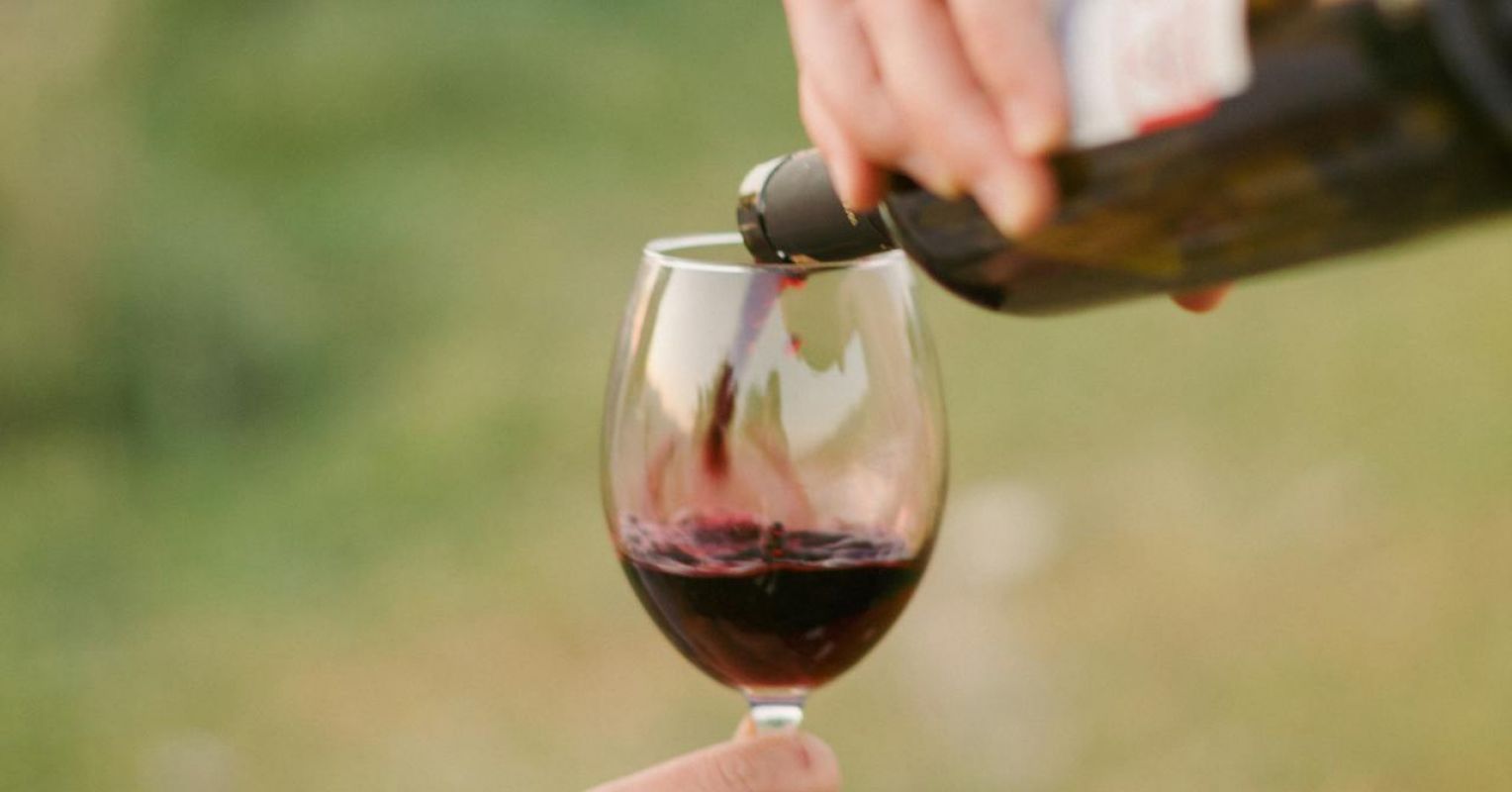
Two particularly relevant lines of research include an Italian study (Mondaini N, 2009) and a meta-analysis (Salari, N. 2023). In the former, the researchers studied 798 women in Tuscany’s Chianti region. They found that women who drank one to two glasses of red wine daily reported higher scores for sexual desire, lubrication, and overall sexual function compared to both non-drinkers and those who consumed other types of alcohol or larger amounts.
The scientists theorized that the polyphenols and flavonoids in red wine might improve blood flow to the sexual organs through vascular effects similar to those that benefit heart health. The study found these benefits specifically for red wine, not white wine or other alcoholic beverages.
The Major Caveats
The researchers themselves acknowledged some serious limitations:
- Self-reported data: Women filled out questionnaires about their drinking and sexual function, which can be unreliable.
- Small sample size: Only 798 women from one specific Italian region.
- No laboratory verification: They didn’t measure physiological responses or do bloodwork.
- Correlation ≠ causation: Maybe women who drink red wine moderately already have healthier lifestyles or attitudes that contribute to better sexual function?
The authors cautioned that their findings “need to be interpreted with some caution” due to these methodological issues.
What Happened Next?
A 2023 meta-analysis examining seven studies with over 50,000 women found that alcohol consumption was associated with an increased odds ratio of sexual dysfunction of 1.74. In other words, the probability of the outcome was about 74% higher in this group. To clarify, this research focused on women with alcohol dependency or heavy consumption patterns.
The key takeaway from this recent research: dosage matters dramatically. Excessive alcohol consumption causes decreased sexual stimulation, vaginal lubrication, dyspareunia, and difficulty reaching orgasm. To state this differently, studies have shown that drinking more than moderate amounts has consistently negative effects on women’s sexual function across all domains.
The Bottom Line
The original 2009 study suggested a potential benefit from moderate red wine consumption specifically, but:
- No major follow-up studies have replicated these specific red wine findings in the 15-plus years since.
- The broader alcohol research paints a more cautious picture, with most recent studies focusing on alcohol’s negative impacts on sexual function when consumed in larger amounts.
- “Moderate” means one to two glasses max—anything beyond that appears to harm rather than help sexual function.
So while that romantic glass of wine might help you relax and set the mood (and there might be something special about red wine’s compounds), thinking of it as a sexual enhancement drug would be overselling what science actually supports. The original study was provocative but preliminary, and the weight of recent evidence suggests alcohol’s relationship with women’s sexual health is complex and dose-dependent, with the risks of overconsumption far outweighing any potential benefits.
So if you enjoy a glass or two of red wine, great—but if you’re hoping it’ll revolutionize your sex life, you might be better off investing in good communication. Science just isn’t there yet, and what is there suggests moderation is everything.

