

970x125
The morning Sam was to return to school after the holidays, it was his dad’s turn to wake him up. Surprised to find an empty bed, he played a hunch and checked the downstairs coat closet, a retreat for an occasionally overwhelmed Sam. Bingo.
Sam’s dad: “What’s up, Sam?”
Sam: “I don’t like school and I don’t want to go.”
Sam’s mom joined in: “Sam, you love school – your friends, your teacher…”
Sam: “No, I don’t.”
Parental pillow talk the night before had centered around what a wonderful, if busy, holiday the family had enjoyed, and how well the kids had done with all of the entertaining, visiting and celebrations. That said, Sam’s parents both felt it sometimes seemed a bit much, as his dad sang a line from Meredith Willson’s “It’s Beginning to Look a Lot like Christmas”: “And mom and dad can hardly wait for school to start again…”
And here was Sam, in his pajamas, hunkered down in his closet bunker, saying, “No way!”
These post-holiday meltdowns are not rare events in families with young children. So, what’s up, as Sam’s dad asks?
Parents who are able will often load the holidays with the stuff that makes them glad to have—and be—a family. Joy and delight soak the household: gifts, celebrations, traditions, family and friends, special foods (more yummy than nutritious), relaxed bedtimes and abandoned routines. Who wouldn’t love that?
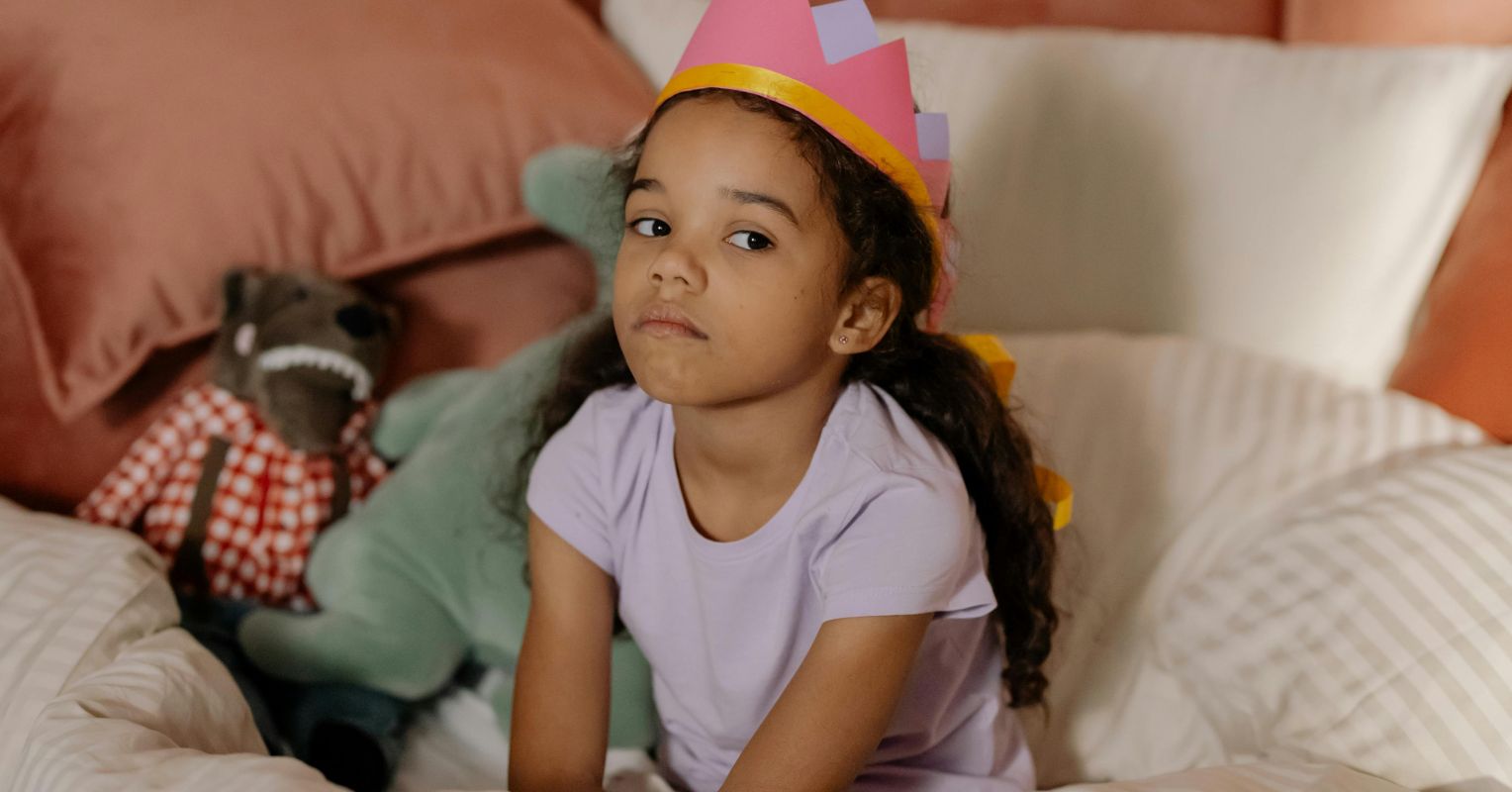
Well, for one, millions of developing neurons that depend on routine and predictability to help establish the self- and emotional-regulation skills of the growing brain. The abrupt transition back to school was a bridge too far for Sam, as it is for many young children. Oppositionality and irritability seemingly came out of nowhere.
Like it or not, simple daily routines have important positive effects on a young child’s growth and development, helping them feel safe and secure, and expend less energy thinking about “what’s next?” Changes in those routines can feel like ice on the sidewalk to preschoolers. Abundant research affirms that sustained disorganized, routine-free environments can impact executive functioning, impulse control and the ability to delay gratification.
Even a few weeks of disruption can challenge a young child’s coping repertoire. Acting out, tantrums and more frequent tears are all signs that all that joy and delight are coming at a price, and the absence of those trusty, if boring, routines feels like the guardrails are gone. Kids seem more exhausted than delighted. Parents—who are also often strung out—are anxious to “fix” the problem as quickly as possible.
Here are steps parents can take to ease the pain:
- The intensity of big feelings usually must run its course. Trying to rearrange the world to provide what a child thinks they need rarely works as well as letting them cry it out with someone they trust who conveys, “Yep, there are days like this.” Overstimulation is no fun for the growing brain. De-escalating works best when it’s done with a mellow partner in a comforting environment. It got Sam out of his PJs and into his school clothes.
- Sleep is the most important routine to re-establish, given its rebooting functions for the young brain. Pick your battles as you re-routine, but sleep will give you the biggest bang for the buck.
- Short days and less outdoor-friendly weather can make January meltdown recovery tricky. Plan movement and exercise—outdoors whenever possible—while absolutely limiting screen time. Making it something fun to look forward to doubles the positive effect.
- Tips for next year: Don’t trash all the routines in service of joy and celebration. Preserve eating and bedtimes as best you can while letting the good times roll. Also, try to preempt meltdowns with a conversation or a story about a child who has trouble switching gears (as most do at this age).
Take heart: February will be here soon.

