

970x125
All of us live in macrocosms as well as our own microcosms. There is the larger world around us and the smaller world that we each inhabit.
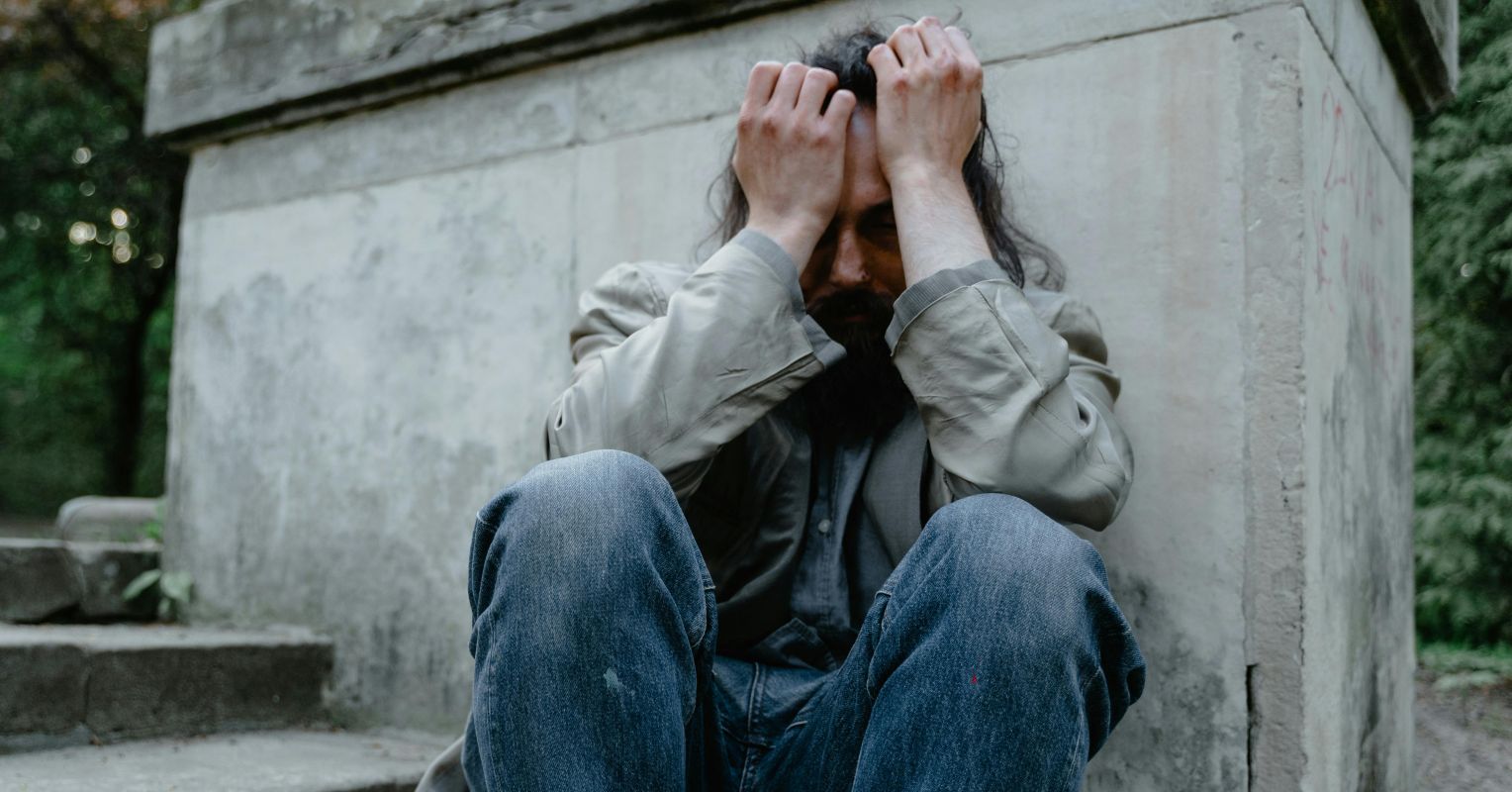
The other day, I was coming out of a supermarket, and a woman approached me, telling me a story about losing her home and that she was hungry. I was about to take her grocery shopping, but she informed me she was homeless. There was a Chick-fil-A up the street, so I gave her money to buy a warm meal. I worried where she might stay to remain warm because it was a cold evening.
This event took place as we enter the Christmas holidays. Stores abound with displays and the offer to buy gifts for our loved ones. Although this holiday is touted as one of family, good cheer, and warm meals, for many, it is a time of loss and grief. The festive lights and cheerful music often contrast painfully with deep sadness inside, reminding our clients of things they may have lost, wishes unfulfilled, and the stigma and experience of mental illness.
The smaller worlds of severely and persistently mentally ill patients can be disorganized, uncertain, and frightening.
Individuals who suffer with disorders, such as schizophrenia, affective disorders, and severe personality disorders, to name a few, live in worlds that are occupied by auditory or visual realities that cloud their perceptions of the world around them. Each carries their own demons.
Perhaps the sadness of the holiday season can be mitigated by changes arising from newer developments in mental health care. The loss associated with the absence of family connections, loved ones, or people lost to suicide will remain, but there is hope for treatment and improvement in the lives of these individuals.
Safety net clinics that serve our disadvantaged mentally ill population are being created. There are more clinics available to treat this group of individuals who are sometimes homeless and without any way to connect to the world around them. Appointments and crisis services are available for people whose needs are greater than what weekly meetings can handle. There are in-home and in-school services. There are partial hospitalization programs that serve both a therapeutic as well as a social purpose. Newer medications that can help alleviate symptoms have been developed.
Hospitals are focused on medication stabilization and subsequent discharge planning to these clinics. Although finding resources is threatened, currently, many clinics continue to operate and expand.
With the increasing presence of these safety net clinics, there is now hope that discharge from inpatient treatment facilities involves liaison with wrap-around services and a focus on stability in living in the world at large, hopefully decreasing revolving door scenarios.
Social media is being used to broadcast services out into communities. Satellite services are more available for those living outside major cities.
In Colorado, the clinic that I serve is seeking funding for an RV to go out into the communities to meet clients where many reside for medication follow-up and the provision of staples that may provide warmth and relief in the coming winter months.
The landscape of mental health is changing with increased focus on integrating technology, individualized treatment plans, peer supports, care managers, and therapists that now make home visits or meet clients in public places that may include meals. Collaborative care is now the norm, including housing, trips to pharmacies to aid in obtaining medication that increases compliance, access to food sources, and integration of family units into treatment.
Telemedicine and digital platforms have increased access to services in rural areas, as well as for individuals who prefer another mode of treatment. It allows individuals to get help in the comfort of their homes. Community outreach ensures that patients have access to a variety of options.
Genetic, biological, and environmental factors are now integrated into research and treatment. Varied methodologies ensure that talk therapy is not the only option, but mindfulness practice, art therapy, or cognitive therapies, to name a few, are available as well and can be tailored to each person’s needs.
Collaborative care models now involve interdisciplinary teams of primary care physicians, psychiatrists, psychologists, social workers, care managers, and peer support that work simultaneously to provide comprehensive care tailored to each patient’s needs.
Emerging treatments, such as psychedelic-assisted therapies, are gaining traction in treating conditions such as post-traumatic stress disorder and depression.
Outreach to clients is now the norm rather than the exception. The variability of options ensures a greater number of patients are not only reached but fewer are lost in the shuffle. Discharge from hospitals is no longer to the streets with a two-week prescription for medication. There is an increasing collaboration with safety net clinics where connections are established prior to discharge.
There is a proliferation of group treatment options to decrease isolation and assist patients in developing connections with others.
The smaller worlds that psychiatric patients occupy can now be filled with hope, collaboration, connection, and increased chances to improve their worlds. Fostering connections is now the norm rather than the exception.
The insidious loneliness that often permeates this particular group of individuals cannot be completely erased, nor can histories that are often filled with rejection and few services, but greater options, more services, research, and caring from the professionals who have elected to diligently care for this group of people can bring them new hope. Although the changes may not be readily palpable for those suffering during the holiday season, it is the work behind the scenes that brings promise and progress for those who are afflicted with severe and persistent mental illness.
As you can see, we have come a long way in realizing some of the promises we made that have brought change, hope, and exceptional care.

