

970x125
As a daughter of Black River, Jamaica, the four weeks after Hurricane Melissa made landfall on October 28, 2025 have been so so hard.
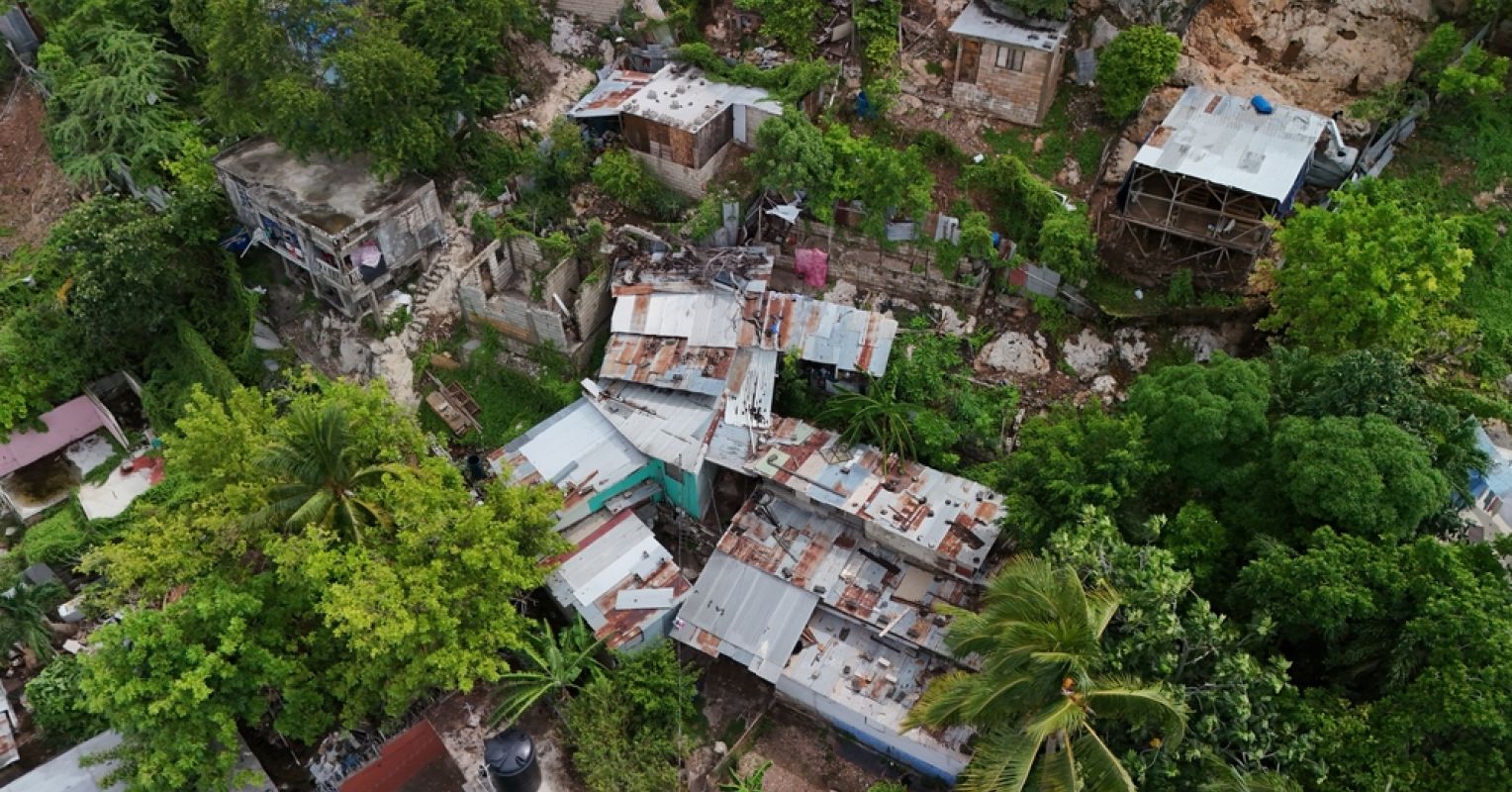
I went to Black River Primary School and my cousin was the principal during much of that time. My dad worked at the courthouse and my mom worked at the only bank in town. My aunt taught music at the high school, and at one point my sister was a nurse in the hospital, where my cousin now works. My great-great-grandfather got married in the Anglican church that is now a pile of rubble. And this is just a small sample of my links to this small sleepy seaside town on the Jamaican south coast that now has become famous for the damage Hurricane Melissa did to the island.
I have so many emotions. I am feeling a lot of loss, grief, nostalgia, relief, frustration, helplessness, love, pride, and stress—a lot of stress. I am feeling it in my body, mind, and spirit, and from the conversations I have had with other Jamaicans in the diaspora, they are feeling it too. And this piece is for all of us.
My Hurricane Melissa Story
When Melissa started her very slow trek toward Jamaica, Jamaicans at home and abroad grew attached to their screens. We watched her 2-mile-per-hour crawl in terror, listened to every prediction, and studied every diagram, scared out of our shoes at the hyperbolic statements from everyone, including meteorologists, journalists, storm chasers, and elected officials. And then Melissa showed up and showed out as they said she would.
When Melissa finally hit Black River, my youngest nephew, Amiri—who was staying at our Black River home while on vacation—sent us video of the awnings being ripped apart. His last message before going silent for around 18 hours was that there was water coming in through the roof. When we finally heard from him again, we found out that he and our three tenants (resident doctors at Black River Hospital) went through the worst of it in our car in the carport after Melissa took the roof off of most parts of our home. In the middle of the night, they left for the relative safety of the 2-story home of my 90-year-old aunt, three doors away. (She soon had 16 people living in her home because she still had a roof on the lower floor of her 2-story home).
Weeks later, Jamaicans at home and abroad are emotionally drained from the drama, chronic stress, and lack of sleep and food—and the relief of finally finding out what happened, regardless of what it was. We are simultaneously grateful for lives and devastated by the damage to lives and property, dreams and futures.
Ten days ago, I made an aid run to Jamaica, like many other diasporic Jamaicans are doing right now. I brought a generator, tarps, solar lamps, solar chargers, nails, air mattresses, food, and fishing rods. (Black River has a river and coastline so folks can fish for their supper.)
Taking Care of Our Mental Health
The clean-up, repair, and rebuilding may take years, as may our emotional recovery. As a social worker registered to do psychotherapy in Ontario and Alberta, Canada, a mental health advocate and educator, and the author of several books on mental health, I thought this could be my contribution to the healing of the people and land I love.
Jamaicans in the diaspora may not have felt the direct impacts of the hurricane, but they have experienced secondary trauma—trauma from their indirect exposure to traumatic experiences. It can leave impacts that last for months or years. So here are some tips for my fellow members of the Jamaican diaspora to get through this very rough time.
1. Acknowledge Survivor’s Guilt and Helplessness. It is natural to feel contradictory feelings: gratitude, relief, guilt, fear, frustration, shock, overwhelm, anger, strength, and vulnerability. If you find yourself spiraling, go for a walk, talk with someone, or write your feelings down in a journal. It is important to acknowledge these feelings and process them.
2. Take Care of Your Physical Health. Secondary trauma can cause symptoms similar to those of post-traumatic stress disorder. These could include anxiety, depression, crying jags, sleep disturbances, elevated heart rate and blood pressure, irritability, and digestive issues. To counteract the assault on our systems, eat nutritious foods, move as much as you can to release physical tension and boost endorphins, and get as much sleep as you can. Herbal tea, warm showers, relaxation/mindfulness techniques, and journaling to get your feelings out ca all help.
3. Stay Connected. When you can’t be there, stay in touch: Text, send voice notes, and call (respecting limits on data, bandwith, and power). Whatever logistics, resources, money, or wisdom you can collect and/or contribute will give you a sense of control and relieve some of the anxiety.
4. Limit Your Media and Social-Media Consumption. Protect your sanity, and skip the doomscrolling. Find a few reliable sources of information. You need local information, so perhaps follow accounts from police and an elected official, and add a Jamaican news channel—that should be all you need. Also, avoiding screens at bedtime will help you get more sleep.
5. Turn Worry into Witness. Tell your story on social media. Share accurate information; raise awareness, money, and resources; and highlight examples of resilience. This increases feelings of hope and optimism, and counteracts feelings of helplessness.
6. Breathe. I start all my classes, workshops, talks, and therapy sessions with 4-square breaths to center, focus, and relax: Inhale slowly through your nose for 4 seconds, hold that breath for 4 seconds, exhale slowly through your mouth for 4 seconds, then hold that breath out for 4 seconds. Repeat as often as necessary. It’s also a great way to start and end a day.
7. Dance, Sing, and Laugh. Create moments of joy and share them. Jamaicans “tek everyting mek joke,” and the jokes about Melissa started long before she arrived on the island. Melissa reggae songs were already being shared before landfall. You don’t have to feel guilty about finding joy during difficult times. It is a healthy coping strategy that does not minimize suffering.
Resilience and Recovery
Trauma is hard, and its impacts can last a lifetime.
Developing a toolkit of coping strategies at this crucial time can provide a solid emotional and psychological foundation for the rest of your life. Jamaicans have survived a lot, including other hurricanes. But when the hits keep coming, anyone can feel overwhelmed. Resilience emerges from rest, rebuilding, adapting, and reaching for help when you need it. “Toughing it out” is not resilience. It’s a recipe for another kind of disaster.
Melissa did not take our resolve, but she will remain in our hearts, families, and communities for our lifetimes and beyond. You can protect yourself from further harm by taking this opportunity to prioritize your mind and spirit, and give yourself the mental resources to not just survive but thrive.
To find a therapist, visit the Psychology Today Therapy Directory.

